
Articles
Essential Car Maintenance Tips to Prevent Breakdowns

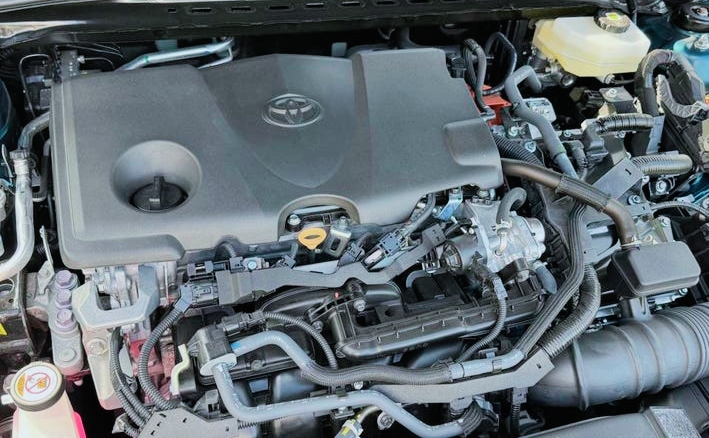
Regular car maintenance is essential to ensure safety, enhance performance, and prolong the lifespan of your car.
By adhering to a consistent maintenance schedule, you can prevent unexpected breakdowns and costly repairs. Below are key maintenance tasks every car owner should prioritize:
1. Regular Oil and Filter Changes
Engine oil lubricates moving parts, reduces friction, and helps dissipate heat. Over time, oil degrades and accumulates contaminants, which can lead to engine wear. It’s recommended to change the oil and oil filter every 5,000 to 7,500 miles, depending on your vehicle’s specifications and driving conditions.
2. Tire Maintenance
Tires are your vehicle’s only contact with the road, making their upkeep vital. Regularly check:
- Tire Pressure: Incorrect pressure can affect handling, fuel efficiency, and tire longevity. Use a tire pressure gauge monthly and adjust according to the manufacturer’s recommendations.
- Tread Depth: Adequate tread ensures proper traction. Use the penny test: insert a penny into the tread with Lincoln’s head down; if you can see the top of his head, it’s time for new tires.
- Alignment and Rotation: Misaligned wheels can cause uneven tire wear. Rotate your tires every 5,000 to 8,000 miles to promote even wear.
3. Brake System Inspection
Brakes are critical for safety. Regularly inspect:
- Brake Pads and Rotors: Listen for squealing or grinding noises, which may indicate worn pads. Replace brake pads approximately every 30,000 miles, though this varies based on usage.
- Brake Fluid: Ensure the fluid is at the correct level and free from contamination. Brake fluid should typically be replaced every two years.
4. Fluid Level Checks
Beyond engine oil and brake fluid, monitor:
- Coolant: Maintains engine temperature. Check levels monthly and top off as needed.
- Transmission Fluid: Essential for smooth gear shifts. Consult your owner’s manual for inspection intervals.
- Power Steering Fluid: Ensures responsive steering. Check periodically and refill if low.
- Windshield Washer Fluid: Maintains visibility. Keep the reservoir full, especially during dusty or rainy seasons.
5. Battery Maintenance
A well-functioning battery is crucial for starting your car and powering electrical components. To maintain it:
- Clean Terminals: Remove corrosion to ensure a strong connection.
- Secure Connections: Ensure cables are tightly connected.
- Test Battery Health: Have the battery tested annually, especially if it’s over three years old.
6. Air Filter Replacement
The engine air filter prevents debris from entering the engine, while the cabin air filter ensures clean air inside the vehicle. Replace the engine air filter every 15,000 to 30,000 miles and the cabin air filter as specified in your owner’s manual.
7. Belt and Hose Inspection
Belts and hoses are integral to your vehicle’s operation. Inspect them for signs of wear, cracks, or leaks, and replace them as needed to prevent breakdowns.
8. Lighting System Check
Functional lights are essential for visibility and communication with other drivers. Regularly inspect all exterior and interior lights, replacing any burnt-out bulbs promptly.
9. Windshield Wipers and Washer System
Clear visibility is crucial, especially during adverse weather conditions. Replace windshield wipers annually or when they show signs of streaking or squeaking. Use winter-grade washer fluid during colder months to prevent freezing.
10. Regular Professional Inspections
While many maintenance tasks can be performed at home, periodic professional inspections are invaluable. Mechanics can detect issues that may not be apparent
Mechanics can detect issues that may not be apparent, ensuring that your vehicle remains in optimal condition. Adhering to the manufacturer’s recommended service intervals helps maintain performance and safety.
By consistently performing these maintenance tasks, you not only enhance your vehicle’s reliability but also contribute to safer driving experiences. Neglecting regular car maintenance can lead to severe consequences, including increased risk of accidents and potential denial of insurance claims due to negligence.
Remember, proactive maintenance is an investment in your vehicle’s longevity and your safety on the road.






Stakeholders Raise Alarm Over Safety Gaps in Nigeria’s CNG and Electric Vehicle Transition

Female Driver Dies in Tragic Road Crash at Mongoro, Ile-Zik Area of Lagos

Physically Challenged Beggar Killed in Multi-Vehicle Crash on Lagos-Ibadan Expressway

Court Bars FRSC Officials From State Roads

24 Pupils Killed in Tragic Bus Crash During School Excursion in Uganda

Tyre Blowouts on Heavy Trucks

BYD Seal EV: Can It Challenge Traditional Sedans?

Colorado to Strengthen Driver Education Requirements

2026 Hyundai Ioniq 5 N Gets Major Price Cut, Boosting Performance Value

FG Renames Lagos-Calabar Coastal Highway in Landmark Move

Slow Down: Man got his Family Killed by neglecting road signs

Which Bridge is the Tallest in the World?
Impatient Driving Cause Road Accident
How Roads are Constructed on the Mountain

Texas, USA suffers heavy flooding