
Car/Vehicle Maintenance
How Poor Fuel Management is Putting Thousands of Vehicles at Risk

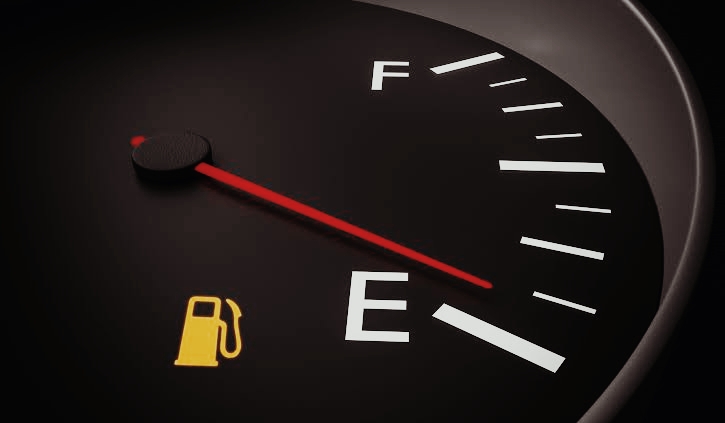
Transport safety experts and automotive engineers are warning that poor fuel management practices among motorists are increasingly contributing to roadside breakdowns, engine damage, and vehicle fire outbreaks across Nigeria.
Also Read: Fuel Adulteration: Major Threat to Vehicle Safety
According to mechanics and road safety educators, many drivers habitually run their tanks extremely low, store fuel improperly, or ignore early warning signs of fuel system faults, actions that experts say can quietly create dangerous driving conditions.
Fuel-related problems, they note, do not only affect vehicle performance but can also escalate into traffic obstruction, sudden engine shutdowns, and fire incidents, particularly on highways and congested urban corridors.
Automotive engineers explain that constantly driving on near-empty tanks allows air, dirt, and sediment to enter the fuel system. This practice can:
- Damage fuel pumps
- Block fuel filters and injectors
- Cause sudden engine stalling
- Lead to overheating
- Increase the risk of vapour lock and leakage
When engines stall unexpectedly, drivers may lose power steering and braking assistance, making it difficult to manoeuvre safely, especially at high speed.
Fuel leaks, on the other hand, create highly flammable conditions that can result in vehicle fires once exposed to heat or electrical sparks.
Hot Weather is Making the Situation Worse
With Nigeria’s high ambient temperatures, fuel volatility increases. Transport engineers say overheated fuel systems, combined with worn hoses or overfilled tanks, can cause vapour build-up, pressure leaks, and ignition.
Fire service officials have repeatedly linked several roadside vehicle fires to fuel system faults, poor maintenance, and improper fuel storage.
Commercial vehicles, inter-state buses, and haulage trucks are particularly vulnerable due to long driving hours and heavy loads.
Common Fuel Mistakes Experts Observe
Technicians identify recurring dangerous practices, including:
- Driving long distances on reserve fuel
- Overfilling fuel tanks
- Using unverified roadside fuel sellers
- Ignoring fuel smells inside vehicles
- Failing to replace clogged fuel filters
- Carrying petrol inside passenger compartments
Safety specialists warn that even a small fuel leak inside a hot engine bay can quickly escalate into a fire emergency.
Experts and regulators recommend that drivers:
- Refuel before tanks fall below one-quarter
- Service fuel systems routinely
- Inspect hoses, pumps, and filters
- Avoid storing fuel inside vehicles
- Refuel only at licensed stations
- Stop immediately if fuel odour is noticed
Passengers are also urged to alert drivers to unusual smells, smoke, or loss of power while in transit.
The Federal Road Safety Corps (FRSC) and Federal Fire Service have consistently advised motorists to treat fuel system maintenance as a life-saving responsibility, stressing that many roadside fires and breakdown-related crashes are preventable.
Transport safety advocates are calling for stronger public education campaigns and stricter monitoring of commercial vehicle roadworthiness.
Experts stress that fuel mismanagement is not merely a mechanical issue, it is a direct road safety concern. Poor fuel practices can quickly turn vehicles into hazards capable of blocking highways, causing chain collisions, or igniting fires.
Until motorists adopt safer fuel habits, safety officials warn that avoidable emergencies will continue to claim lives.





Five Die as Truck, Car Collide on Badagry Expressway

Two Killed as Trucks Collide, Burst Into Flames on Anambra Road

Stakeholders Raise Alarm Over Safety Gaps in Nigeria’s CNG and Electric Vehicle Transition

Female Driver Dies in Tragic Road Crash at Mongoro, Ile-Zik Area of Lagos

Physically Challenged Beggar Killed in Multi-Vehicle Crash on Lagos-Ibadan Expressway

Court Bars FRSC Officials From State Roads

24 Pupils Killed in Tragic Bus Crash During School Excursion in Uganda

Tyre Blowouts on Heavy Trucks

BYD Seal EV: Can It Challenge Traditional Sedans?

Colorado to Strengthen Driver Education Requirements

Slow Down: Man got his Family Killed by neglecting road signs

Which Bridge is the Tallest in the World?
Impatient Driving Cause Road Accident
How Roads are Constructed on the Mountain

Texas, USA suffers heavy flooding