
Articles
Causes of Engine Failure

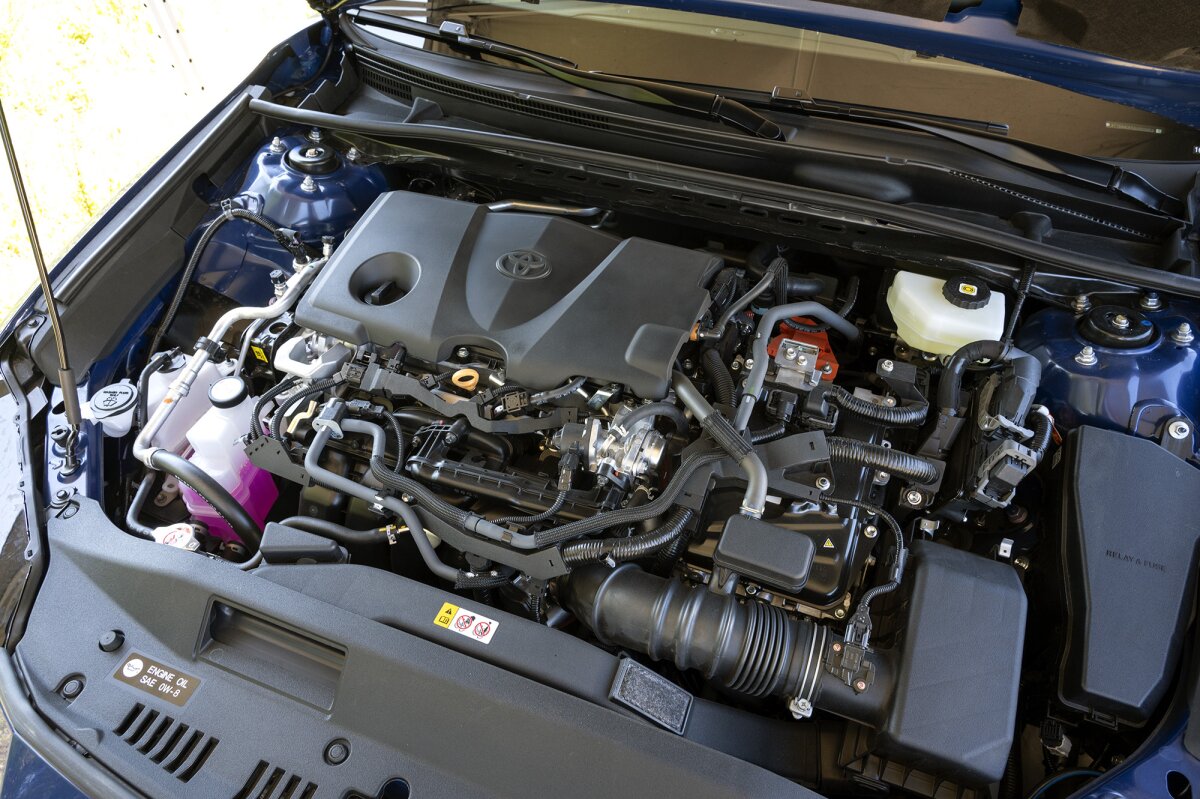
Engine failure is a serious issue that can lead to costly repairs and significant inconvenience on any car, vehicle or machine.
Understanding the primary causes of engine failure can help vehicle owners take preventive measures to ensure the longevity of their engines.
Below are some of the most common reasons an engine may fail.
1. Lack of Lubrication
Oil is essential for reducing friction between engine components. Without proper lubrication, metal parts grind against each other, leading to excessive wear and tear. Regular oil changes and ensuring the correct oil level can prevent this issue.
2. Overheating
An engine that runs too hot can suffer from catastrophic damage. Overheating is often caused by:
- Low coolant levels
- A faulty thermostat
- A broken water pump
- A clogged radiator
Routine coolant checks and radiator maintenance can help avoid overheating-related failures.
3. Contaminated Oil or Fuel
Dirty or contaminated oil can cause sludge buildup, reducing an engine’s efficiency and leading to internal damage. Similarly, low-quality or contaminated fuel can clog fuel injectors and degrade engine performance. Using high-quality fuel and changing the oil at recommended intervals can prevent this issue.
4. Timing Belt or Chain Failure
The timing belt or chain ensures that engine components move in sync. If this component breaks, valves and pistons may collide, causing severe engine damage. Regular inspections and timely replacements as per the manufacturer’s guidelines are crucial.
5. Ignition System Issues
Faulty spark plugs, a failing ignition coil, or a defective crankshaft position sensor can lead to engine misfires and reduced performance. Regular tune-ups and replacing spark plugs at recommended intervals can prevent ignition-related failures.
6. Water or Coolant Contamination
Water or coolant entering the engine oil can cause significant damage by reducing lubrication and leading to rust. This issue is often a result of a blown head gasket, cracked engine block, or damaged cylinder head.
7. Excessive Engine Load
Pushing an engine beyond its designed limits—such as towing heavy loads without proper cooling or constantly revving at high RPMs—can cause internal stress and premature failure. Proper usage and adherence to the manufacturer’s recommendations can prevent this.
8. Sensor and Computer Failures
Modern vehicles rely on sensors and electronic control units (ECUs) to optimize engine performance. A malfunctioning sensor, such as a mass airflow sensor or oxygen sensor, can disrupt fuel-air mixtures and cause poor performance or engine damage. Regular diagnostics can identify sensor issues before they lead to major failures.
9. Poor Maintenance Habits
Neglecting regular maintenance, such as failing to replace filters, ignoring warning lights, and skipping routine inspections, can accelerate engine wear and lead to failure. Adhering to the vehicle’s maintenance schedule is crucial for preventing engine-related problems.
Engine failure can often be avoided with regular maintenance, proper usage, and timely repairs. Vehicle owners should stay vigilant about oil levels, cooling systems, fuel quality, and overall engine health to ensure optimal performance and longevity. By addressing these common causes, drivers can avoid expensive repairs and keep their vehicles running smoothly for years to come.

Five Die as Truck, Car Collide on Badagry Expressway

Two Killed as Trucks Collide, Burst Into Flames on Anambra Road

Stakeholders Raise Alarm Over Safety Gaps in Nigeria’s CNG and Electric Vehicle Transition

Female Driver Dies in Tragic Road Crash at Mongoro, Ile-Zik Area of Lagos

Physically Challenged Beggar Killed in Multi-Vehicle Crash on Lagos-Ibadan Expressway

Court Bars FRSC Officials From State Roads

24 Pupils Killed in Tragic Bus Crash During School Excursion in Uganda

Tyre Blowouts on Heavy Trucks

BYD Seal EV: Can It Challenge Traditional Sedans?

Colorado to Strengthen Driver Education Requirements

Slow Down: Man got his Family Killed by neglecting road signs

Which Bridge is the Tallest in the World?
Impatient Driving Cause Road Accident
How Roads are Constructed on the Mountain

Texas, USA suffers heavy flooding