
Car/Vehicle Maintenance
Tyre Blowouts on Highways Raise Fresh Safety Concerns

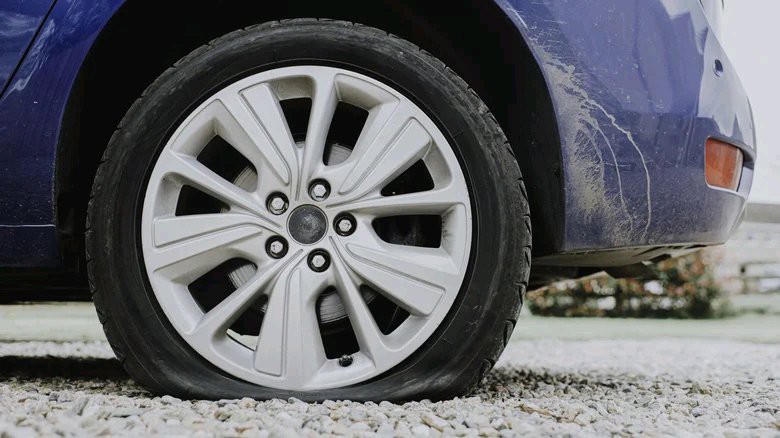
Road safety authorities and automotive engineers are expressing growing concern over the rising number of highway crashes linked to tyre blowouts, warning that neglected tyres remain one of the most underestimated threats to road safety in Nigeria.
Also Read: How Tires Save Lives and Improve Vehicle Safety
Emergency responders say a significant proportion of recent fatal crashes on expressways involved vehicles that suddenly lost control after tyre failures, leading to rollovers, head-on collisions, and vehicles plunging into ditches.
According to safety experts, tyre blowouts are rarely “sudden.” In most cases, they are the final outcome of prolonged neglect, under-inflation, worn tread, overloading, and exposure to extreme heat.
Tyres are the only point of contact between a vehicle and the road. When one fails at high speed, the driver often has less than a second to react.
Automotive engineers explain that blowouts instantly destabilise steering, disrupt braking balance, and cause abrupt swerving.
On busy highways, this can result in vehicles crossing into oncoming traffic or overturning multiple times.
FRSC officers note that blowouts involving buses and loaded trucks frequently lead to mass-casualty incidents because of passenger volume and vehicle weight.
Key Factors Behind Tyre Failures
Mechanical specialists identify several recurring causes:
- Driving on worn or expired tyres
- Persistent underinflation or overinflation
- Overloading of commercial vehicles
- Heat buildup from long-distance driving
- Hidden punctures and sidewall cracks
- Mixing mismatched tyres on the same axle
Nigeria’s hot climate and poor road surfaces accelerate tyre degradation, making routine inspection even more critical.
Warning Signs Drivers Often Ignore
Experts say many blowouts could be prevented if drivers responded early to:
- Visible cracks on tyre sidewalls
- Uneven or shallow tread depth
- Frequent loss of air pressure
- Bulges or deformities
- Steering vibration at speed
Ignoring these indicators, they warn, is equivalent to driving with a mechanical time bomb.
The Federal Road Safety Corps (FRSC) has repeatedly advised motorists to prioritise tyre condition, stressing that tyres must meet minimum safety standards before any long journey.
Transport safety educators are calling for stricter roadside inspection of commercial vehicles, improved tyre safety awareness campaigns, and penalties for operators who deploy unroadworthy vehicles.
What Experts Advise Motorists to Do
Safety authorities recommend that drivers:
- Check tyre pressure weekly
- Replace tyres that are worn or over five years old
- Avoid overloading
- Inspect tyres before long trips
- Use quality tyres from certified dealers
- Carry functional spare tyres and jacks
Passengers are also encouraged to observe tyre conditions before boarding commercial vehicles and speak up when they notice visible defects.
Tyre-related crashes are among the most preventable road tragedies. Experts stress that no advanced driving skill can compensate for a failed tyre at highway speed.
Until motorists and transport operators adopt a strict maintenance culture, safety advocates warn that tyre blowouts will continue to claim lives unnecessarily.





Five Die as Truck, Car Collide on Badagry Expressway

Two Killed as Trucks Collide, Burst Into Flames on Anambra Road

Stakeholders Raise Alarm Over Safety Gaps in Nigeria’s CNG and Electric Vehicle Transition

Female Driver Dies in Tragic Road Crash at Mongoro, Ile-Zik Area of Lagos

Physically Challenged Beggar Killed in Multi-Vehicle Crash on Lagos-Ibadan Expressway

Court Bars FRSC Officials From State Roads

24 Pupils Killed in Tragic Bus Crash During School Excursion in Uganda

Tyre Blowouts on Heavy Trucks

BYD Seal EV: Can It Challenge Traditional Sedans?

Colorado to Strengthen Driver Education Requirements

Slow Down: Man got his Family Killed by neglecting road signs

Which Bridge is the Tallest in the World?
Impatient Driving Cause Road Accident
How Roads are Constructed on the Mountain

Texas, USA suffers heavy flooding