
Driving School Review
Colorado to Strengthen Driver Education Requirements


The U.S. state of Colorado is moving to strengthen its driver education system with new regulations designed to better prepare young and first-time motorists before they begin driving on public roads.
The updated requirements, introduced under House Bill 24-1021, expand mandatory driver education for individuals under the age of 21.
The initiative is aimed at reducing crashes involving inexperienced drivers by ensuring they receive comprehensive classroom instruction before obtaining a learner’s permit.
Colorado general assembly
Under the new rules, drivers aged 15 to 17 must complete a 30-hour state-approved driver education course available either online or in personBbefore they can qualify for a learner’s permit.
Meanwhile, first-time drivers aged 18 to 20 must complete either the same 30-hour course or a 4-hour driver awareness program before applying for a permit.
The legislation also introduces stricter oversight for driving schools and expands safety requirements for young motorcycle riders, who must complete an approved motorcycle safety instruction program before receiving a motorcycle instruction permit.
Colorado Department of Transportation
Transportation officials say the reforms are intended to give novice drivers:
- More knowledge
- Stronger hazard awareness
- Safer driving habits before they take the wheel independently.
Studies consistently show that structured driver education and supervised practice help reduce crash risks among inexperienced motorists.
Colorado authorities believe the updated standards will contribute to:
- Fewer traffic collisions
- Lower injury rates
- Greater confidence among new drivers.
The revised requirements are scheduled to take effect as the state continues implementing broader road safety initiatives over the coming months.
RoadKing Safety Perspective
Colorado’s decision reflects a growing international trend toward strengthening driver training rather than relying solely on licensing tests.
Comprehensive education equips new drivers with essential defensive driving skills, improves decision-making, and promotes a culture of responsible road use.
For countries like Nigeria, where road crashes involving inexperienced drivers remain a significant concern, enhanced driver education could play a vital role in improving road safety outcomes alongside effective enforcement and public awareness campaigns.





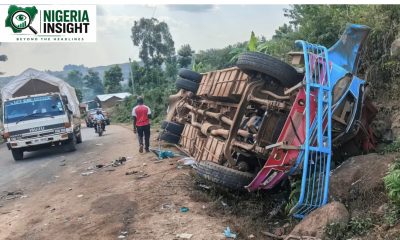

Five Die as Truck, Car Collide on Badagry Expressway

Two Killed as Trucks Collide, Burst Into Flames on Anambra Road

Stakeholders Raise Alarm Over Safety Gaps in Nigeria’s CNG and Electric Vehicle Transition

Female Driver Dies in Tragic Road Crash at Mongoro, Ile-Zik Area of Lagos

Physically Challenged Beggar Killed in Multi-Vehicle Crash on Lagos-Ibadan Expressway

Court Bars FRSC Officials From State Roads

24 Pupils Killed in Tragic Bus Crash During School Excursion in Uganda

Tyre Blowouts on Heavy Trucks

BYD Seal EV: Can It Challenge Traditional Sedans?

Colorado to Strengthen Driver Education Requirements

Slow Down: Man got his Family Killed by neglecting road signs

Which Bridge is the Tallest in the World?
Impatient Driving Cause Road Accident
How Roads are Constructed on the Mountain

Texas, USA suffers heavy flooding