
Road Safety / Heavy Vehicle Awareness
Tyre Blowouts on Heavy Trucks

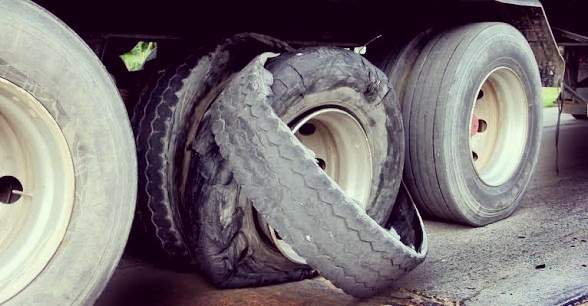
Tyre blowouts on heavy-duty trucks are among the most dangerous emergencies that can occur on the road. A sudden tyre failure can cause a driver to lose control, resulting in vehicle rollovers, multi-vehicle collisions, cargo spills, road closures, injuries, and fatalities.
In Nigeria, where commercial trucks transport petroleum products, agricultural produce, construction materials, and consumer goods across long distances, preventing tyre blowouts is critical to improving road safety. Proper maintenance, regular inspections, and responsible driving habits can significantly reduce the risk of catastrophic crashes.
What Is a Tyre Blowout?
A tyre blowout is the rapid loss of air pressure caused by a sudden rupture of the tyre. Unlike a slow puncture, a blowout occurs almost instantly, making it difficult for drivers to maintain control especially when travelling at highway speeds or carrying heavy loads.
Front tyre blowouts are particularly dangerous because they directly affect steering, while rear tyre failures can cause the truck or trailer to sway or jackknife.
Common Causes of Heavy Truck Tyre Blowouts
1. Underinflated Tyres
Tyres with insufficient air pressure generate excessive heat due to increased sidewall flexing. Over time, this heat weakens the tyre structure and may lead to a sudden failure.
2. Overloaded Trucks
Carrying loads beyond a truck’s approved weight places excessive stress on tyres, increasing wear and making blowouts more likely.
3. Excessive Speed
Driving at high speeds generates additional heat inside tyres. Combined with heavy loads, this can significantly increase the risk of tyre failure.
4. Worn or Damaged Tyres
Tyres with low tread depth, cuts, cracks, bulges, exposed cords, or previous repairs are more susceptible to bursting during operation.
5. Poor Road Conditions
Potholes, sharp debris, broken pavement, and uneven road surfaces can damage tyres or wheels, leading to delayed tyre failure.
6. Poor Maintenance
Neglecting routine tyre inspections, wheel alignment, balancing, and suspension maintenance can accelerate tyre wear and increase blowout risks.
7. High Temperatures
Long-distance driving under hot weather conditions causes tyres to heat up, especially when inflation pressure is incorrect.
Warning Signs Before a Blowout
Drivers should watch for:
- Continuous vibration while driving
- Uneven tyre wear
- Visible cracks or bulges
- Frequent loss of tyre pressure
- Steering pulling to one side
- Unusual tyre noise
- Excessive heat from the tyres after long journeys
- Early detection can prevent a serious incident
How Drivers Should Respond During a Blowout
If a blowout occurs:
- Remain calm and keep both hands firmly on the steering wheel.
- Avoid slamming on the brakes immediately.
- Gradually ease off the accelerator.
- Maintain the truck’s direction until it slows down.
- Activate hazard lights.
- Carefully steer the vehicle to a safe location away from traffic.
- Place reflective warning triangles if stopping on the roadside.
- Panic braking or making sudden steering movements can cause the truck to overturn or jackknife.
Preventing Tyre Blowouts
Fleet operators and drivers should adopt the following safety measures:
- Inspect tyres before every trip
- Maintain manufacturer-recommended tyre pressure
- Replace worn or damaged tyres promptly
- Rotate tyres according to maintenance schedules
- Avoid overloading vehicles
- Observe speed limits, especially on highways
- Conduct regular wheel alignment and balancing
- Train drivers on tyre inspection and emergency response
- Replace ageing tyres even if the tread appears adequate

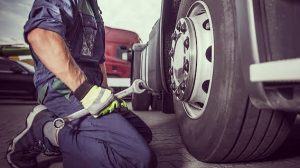
The Role of Fleet Managers
Fleet managers should establish preventive maintenance programmes that include:
- Scheduled tyre inspections
- Accurate tyre pressure monitoring
- Proper load distribution
- Driver safety training
- Detailed maintenance records
- Immediate replacement of defective tyres
A proactive maintenance culture not only improves safety but also reduces operating costs and vehicle downtime.
RoadKing Safety Advice
Many heavy truck crashes attributed to “loss of control” begin with a tyre failure that could have been prevented through proper inspection and maintenance. Every driver should treat tyres as a critical safety component, not just a consumable part.
Before every journey, inspect tyre condition, verify air pressure, and ensure the vehicle is not overloaded. A few minutes spent on preventive checks can save lives, protect valuable cargo, and prevent costly accidents.





Five Die as Truck, Car Collide on Badagry Expressway

Two Killed as Trucks Collide, Burst Into Flames on Anambra Road

Stakeholders Raise Alarm Over Safety Gaps in Nigeria’s CNG and Electric Vehicle Transition

Female Driver Dies in Tragic Road Crash at Mongoro, Ile-Zik Area of Lagos

Physically Challenged Beggar Killed in Multi-Vehicle Crash on Lagos-Ibadan Expressway

Court Bars FRSC Officials From State Roads

24 Pupils Killed in Tragic Bus Crash During School Excursion in Uganda

Tyre Blowouts on Heavy Trucks

BYD Seal EV: Can It Challenge Traditional Sedans?

Colorado to Strengthen Driver Education Requirements

Slow Down: Man got his Family Killed by neglecting road signs

Which Bridge is the Tallest in the World?
Impatient Driving Cause Road Accident
How Roads are Constructed on the Mountain

Texas, USA suffers heavy flooding