
Car Review
Auto Industry Reaffirms Support for EV and CNG Transition at 2026 Nigeria Auto Industry Summit

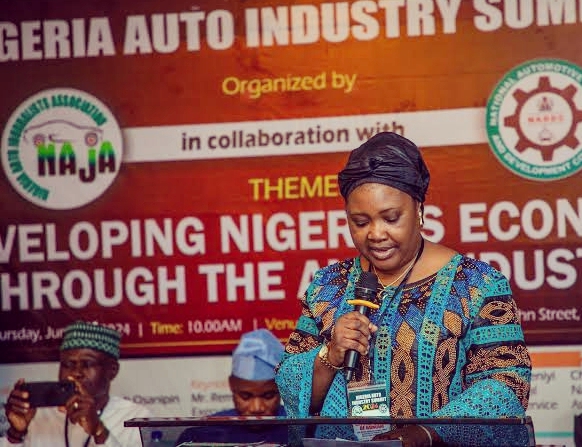
Nigeria’s automotive sector has renewed its commitment to cleaner and more sustainable transportation, as leading automobile manufacturers, transport regulators, and government agencies reaffirmed support for the country’s transition to electric vehicles (EVs) and compressed natural gas (CNG) transportation.
The pledge was made during the 2026 Nigeria Auto Industry Summit, where industry stakeholders emphasized the need for greater collaboration to accelerate the adoption of alternative-fuel vehicles and reduce the nation’s dependence on conventional petrol and diesel-powered transport.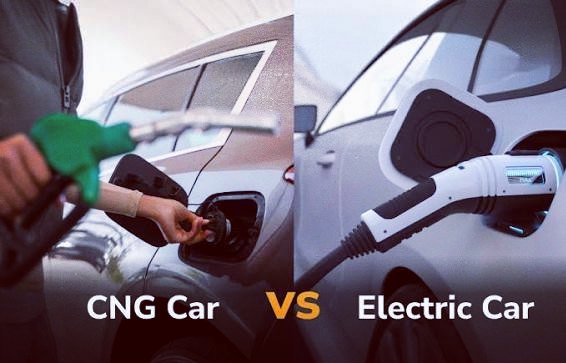
Participants at the summit described the transition as a strategic step toward:
- Improving energy security
- Lowering transportation costs
- Reducing vehicle emissions
- Supporting Nigeria’s broader climate and economic development goals.
Industry leaders noted that while interest in EVs and CNG-powered vehicles continues to grow, the success of the transition will depend on:
- Expanding charging and refuelling infrastructure
- Encouraging local vehicle assembly
- Strengthening technical expertise
- Implementing supportive government policies.
Government representatives reiterated their commitment to creating an enabling environment through investment-friendly regulations, incentives, and partnerships with the private sector to encourage the production and adoption of cleaner vehicle technologies.
Automobile manufacturers also highlighted the importance of consumer education, explaining that increased awareness of EV and CNG technologies will help motorists make informed decisions while improving confidence in alternative-fuel vehicles.
Benefits of EV and CNG Adoption
Stakeholders identified several expected benefits of expanding EV and CNG transportation across Nigeria, including:
- Reduced fuel and vehicle operating costs
- Lower greenhouse gas emissions and improved air quality
- Greater energy diversification and reduced dependence on petrol
- Growth of Nigeria’s automotive manufacturing and service industries
- Creation of new jobs in vehicle assembly, maintenance, and charging infrastructure
- Improved long-term sustainability of the transport sector
Challenges That Must Be Addressed
Despite the optimism, stakeholders acknowledged several hurdles that require urgent attention, including:
- Limited EV charging and CNG refuelling infrastructure.
- High upfront costs of alternative-fuel vehicles.
- Need for skilled technicians and specialised maintenance services.
- Public awareness and consumer confidence.
- Stable electricity supply to support EV charging networks.
RoadKing Safety Perspective
As Nigeria embraces electric and CNG-powered transportation, motorists should ensure that vehicle conversions, servicing, and maintenance are carried out only by qualified professionals.
Proper handling of high-voltage EV systems and CNG components is essential for vehicle safety, reliability, and long-term performance.
The 2026 Nigeria Auto Industry Summit concluded with a call for sustained collaboration among government, manufacturers, investors, and transport operators to build a cleaner, safer, and more resilient transportation system for the future.






Five Die as Truck, Car Collide on Badagry Expressway

Two Killed as Trucks Collide, Burst Into Flames on Anambra Road

Stakeholders Raise Alarm Over Safety Gaps in Nigeria’s CNG and Electric Vehicle Transition

Female Driver Dies in Tragic Road Crash at Mongoro, Ile-Zik Area of Lagos

Physically Challenged Beggar Killed in Multi-Vehicle Crash on Lagos-Ibadan Expressway

Court Bars FRSC Officials From State Roads

24 Pupils Killed in Tragic Bus Crash During School Excursion in Uganda

Tyre Blowouts on Heavy Trucks

BYD Seal EV: Can It Challenge Traditional Sedans?

Colorado to Strengthen Driver Education Requirements

Slow Down: Man got his Family Killed by neglecting road signs

Which Bridge is the Tallest in the World?
Impatient Driving Cause Road Accident
How Roads are Constructed on the Mountain

Texas, USA suffers heavy flooding