
Safety Mapping
Mapping Nigeria’s Most Hazardous Roads for Safer Travel

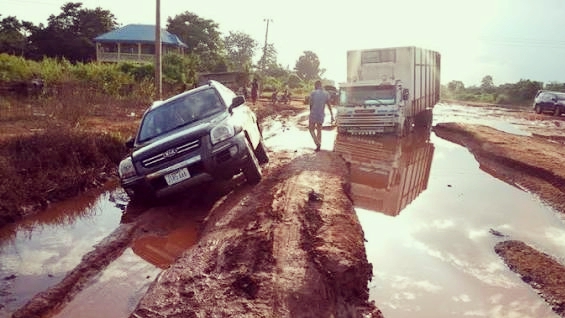
Nigeria’s highways are vital to the movement of people, goods, and services, but many have become synonymous with fatal crashes, traffic gridlocks, poor road conditions, and security concerns.
Every year, thousands of motorists lose their lives or sustain injuries due to dangerous road sections that continue to pose significant risks.
In this RoadKing Special, we highlight some of Nigeria’s most hazardous roads, explain why they remain dangerous, and provide practical safety tips that can help motorists travel more safely.
1. Lagos-Ibadan Expressway
The Lagos-Ibadan Expressway remains Nigeria’s busiest highway, linking Lagos with the South-West and other regions.
Despite ongoing reconstruction and improvements, heavy traffic, speeding, reckless overtaking, broken-down vehicles, and occasional construction diversions continue to contribute to crashes.
Major Risks:
- Excessive speeding
- Multiple-vehicle collisions
- Heavy truck traffic
- Driver fatigue during long journeys
2. Abuja-Kaduna Highway
While security has improved in recent years, the Abuja-Kaduna highway remains a challenging route. High-speed driving, poor visibility at night, and occasional traffic incidents make defensive driving essential.
Major Risks:
- Speed-related crashes
- Night driving hazards
- Heavy commercial vehicles
- Driver distraction
3. Ore-Benin Expressway
This strategic corridor connects the South-West to the South-South and South-East. Long stretches often encourage speeding, while overloaded trucks and poor vehicle maintenance increase crash risks.
Major Risks:
- Tyre blowouts
- Dangerous overtaking
- Driver fatigue
- Poor vehicle conditions
4. East-West Road
Serving several oil-producing communities, the East-West Road experiences sections with deteriorating pavement, flooding during heavy rains, and heavy-duty truck movement.
Major Risks:
- Flooded road sections
- Potholes
- Reduced visibility
- Commercial vehicle congestion
5. Enugu-Port Harcourt Expressway
Ongoing rehabilitation has improved some sections, but motorists still encounter damaged pavement, construction zones, and impatient drivers attempting risky overtaking manoeuvres.
Major Risks:
Construction diversions
Poor road surfaces
Reckless overtaking
Night-time driving challenges
6. Lokoja-Abuja Highway
One of Nigeria’s busiest north-central routes, the Lokoja-Abuja highway witnesses frequent crashes involving articulated trucks, buses, and private vehicles.
Major Risks:
- Steep gradients
- Brake failure among heavy trucks
- Mixed traffic
- Excessive speeding
Why These Roads Are Dangerous
Several common factors contribute to crashes across Nigeria’s highways:
- Speeding beyond legal limits
- Poor road maintenance
- Dangerous overtaking
- Distracted driving
- Driving under fatigue
- Vehicle mechanical failures
- Overloaded trucks
- Poor weather conditions
- Inadequate road signs in some locations
RoadKing Safety Tips for Motorists
To reduce travel risks:
- Plan your trip before departure.
- Inspect tyres, brakes, lights, and engine before long journeys.
- Avoid speeding, even on open highways.
- Never overtake unless the road ahead is completely clear.
- Maintain a safe following distance.
- Avoid night travel where possible.
- Take regular breaks to prevent fatigue.
- Obey traffic regulations and warning signs.
- Stay updated on weather and traffic conditions.
- Keep emergency contacts readily available.
Road Safety Is Everyone’s Responsibility
Reducing crashes on Nigeria’s highways requires collective action. Government agencies must continue investing in road maintenance, improved signage, and stronger traffic enforcement.
Fleet operators should prioritize vehicle maintenance and driver training, while motorists must embrace responsible driving habits.
Every safe decision behind the wheel contributes to saving lives. As Nigeria continues to improve its transport infrastructure, responsible driving remains the most effective tool for preventing avoidable road tragedies.
RoadKing Takeaway
A journey should end at its destination, not at an accident scene. Understanding high-risk routes, preparing adequately, and driving defensively can significantly reduce crash risks. Whether travelling for business, family, or leisure, safety should always be your first priority.







Five Die as Truck, Car Collide on Badagry Expressway

Two Killed as Trucks Collide, Burst Into Flames on Anambra Road

Stakeholders Raise Alarm Over Safety Gaps in Nigeria’s CNG and Electric Vehicle Transition

Female Driver Dies in Tragic Road Crash at Mongoro, Ile-Zik Area of Lagos

Physically Challenged Beggar Killed in Multi-Vehicle Crash on Lagos-Ibadan Expressway

Court Bars FRSC Officials From State Roads

24 Pupils Killed in Tragic Bus Crash During School Excursion in Uganda

Tyre Blowouts on Heavy Trucks

BYD Seal EV: Can It Challenge Traditional Sedans?

Colorado to Strengthen Driver Education Requirements
Two Killed as Trucks Collide, Burst Into Flames on Anambra Road
Five Die as Truck, Car Collide on Badagry Expressway

Slow Down: Man got his Family Killed by neglecting road signs

Which Bridge is the Tallest in the World?
Impatient Driving Cause Road Accident
How Roads are Constructed on the Mountain

Texas, USA suffers heavy flooding