
Safety Mapping
How Innovation Is Saving Lives on the World’s Roads

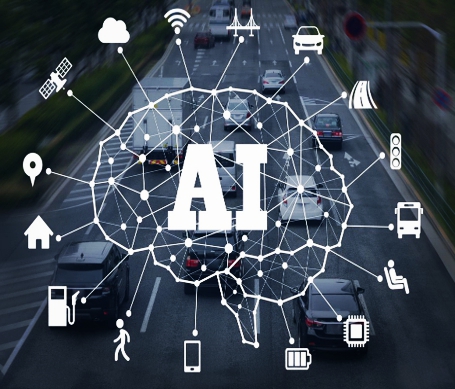
As road traffic continues to increase across the world, technology is becoming one of the most powerful tools in preventing crashes, improving traffic flow, and protecting road users.
From artificial intelligence (AI) and smart traffic signals to connected vehicles and advanced driver assistance systems, innovation is reshaping how roads are designed, managed, and used.
Governments, automobile manufacturers, and technology companies are investing heavily in intelligent transport systems that aim to:
- reduce road crashes
- ease congestion
- make travel safer for motorists, cyclists, pedestrians.
Smarter Vehicles; Safer Journeys
Modern vehicles now come equipped with a range of safety technologies that actively assist drivers in avoiding collisions. These include:
- Automatic Emergency Braking (AEB)
- Lane Departure Warning (LDW)
- Blind Spot Monitoring (BSM)
- Adaptive Cruise Control (ACC)
- Driver Fatigue Detection
- Rear Cross-Traffic Alert
These systems use cameras, radar, sensors, and artificial intelligence to monitor driving conditions and warn drivers of potential dangers.
In many situations, they can even apply the brakes automatically if the driver fails to react in time.
Smart Traffic Management
Cities around the world are increasingly adopting intelligent traffic management systems that use real-time data to control traffic signals, detect congestion, and respond quickly to incidents.
Smart traffic lights can automatically adjust signal timings based on traffic volume, reducing unnecessary delays while improving road efficiency.
Some systems also prioritize emergency vehicles, allowing ambulances and fire trucks to move through intersections more safely and quickly.
Artificial Intelligence Enhances Road Safety
Artificial intelligence is playing a growing role in road safety by analysing large volumes of traffic data to identify accident-prone locations and predict potential risks before crashes occur.
AI-powered cameras can detect dangerous behaviours such as speeding, distracted driving, illegal lane changes, and red-light violations.
Authorities can then respond more effectively through enforcement, road improvements, or public awareness campaigns.
Connected Vehicles and Smart Roads
Vehicle-to-Vehicle (V2V) and Vehicle-to-Infrastructure (V2I) communication technologies are enabling cars to exchange information with each other and with road infrastructure. For example, a vehicle can receive an instant warning if another vehicle ahead suddenly brakes, if there is a crash around a blind corner, or if road construction is approaching. This real-time communication helps drivers react faster and avoid dangerous situations.
Technology Supporting Emergency Response
Technology is also improving emergency response following road crashes. Many modern vehicles feature automatic crash notification systems that alert emergency responders with the vehicle’s location immediately after a serious collision.
Drones, GPS tracking, and digital mapping technologies are also helping emergency services reach crash scenes faster, reducing response times and increasing the chances of saving lives.
Nigeria’s Opportunity
Nigeria continues to make progress in adopting technology-driven road safety solutions.
Agencies such as the Federal Road Safety Corps (FRSC) have introduced digital driver’s licence verification, speed-limiting initiatives, electronic enforcement, and improved traffic monitoring systems.
Experts believe that wider deployment of intelligent traffic management systems, smart surveillance cameras, and AI-powered enforcement could significantly reduce road crashes across the country while improving traffic efficiency in major cities.
Challenges Ahead
Despite rapid technological advancement, several challenges remain.
- High implementation costs
- inadequate infrastructure
- poor internet connectivity in some regions
- cybersecurity concerns
- limited public awareness
These continue to slow adoption in many developing countries.
Road safety experts also emphasize that technology should complement, not replace responsible driving.
Human judgement, adherence to traffic laws, and regular driver education remain essential.
Roadking perspective
Technology is transforming road safety in ways that were unimaginable just a decade ago.
As smart vehicles, AI-powered systems, and intelligent transport infrastructure become more common, the potential to reduce crashes and save lives continues to grow.
While innovation alone cannot eliminate road accidents, combining advanced technology with responsible driving behaviour, effective enforcement, and quality road infrastructure offers the best path toward safer roads for everyone.
Technology is your driving assistant, not your replacement. Stay alert, obey traffic regulations, avoid distractions, and always keep your vehicle’s safety systems properly maintained.






Five Die as Truck, Car Collide on Badagry Expressway

Two Killed as Trucks Collide, Burst Into Flames on Anambra Road

Stakeholders Raise Alarm Over Safety Gaps in Nigeria’s CNG and Electric Vehicle Transition

Female Driver Dies in Tragic Road Crash at Mongoro, Ile-Zik Area of Lagos

Physically Challenged Beggar Killed in Multi-Vehicle Crash on Lagos-Ibadan Expressway

Court Bars FRSC Officials From State Roads

24 Pupils Killed in Tragic Bus Crash During School Excursion in Uganda

Tyre Blowouts on Heavy Trucks

BYD Seal EV: Can It Challenge Traditional Sedans?

Colorado to Strengthen Driver Education Requirements

Slow Down: Man got his Family Killed by neglecting road signs

Which Bridge is the Tallest in the World?
Impatient Driving Cause Road Accident
How Roads are Constructed on the Mountain

Texas, USA suffers heavy flooding