
Articles
Fuel Tanker Explosions in Nigeria: Why Crashes Turn Deadly

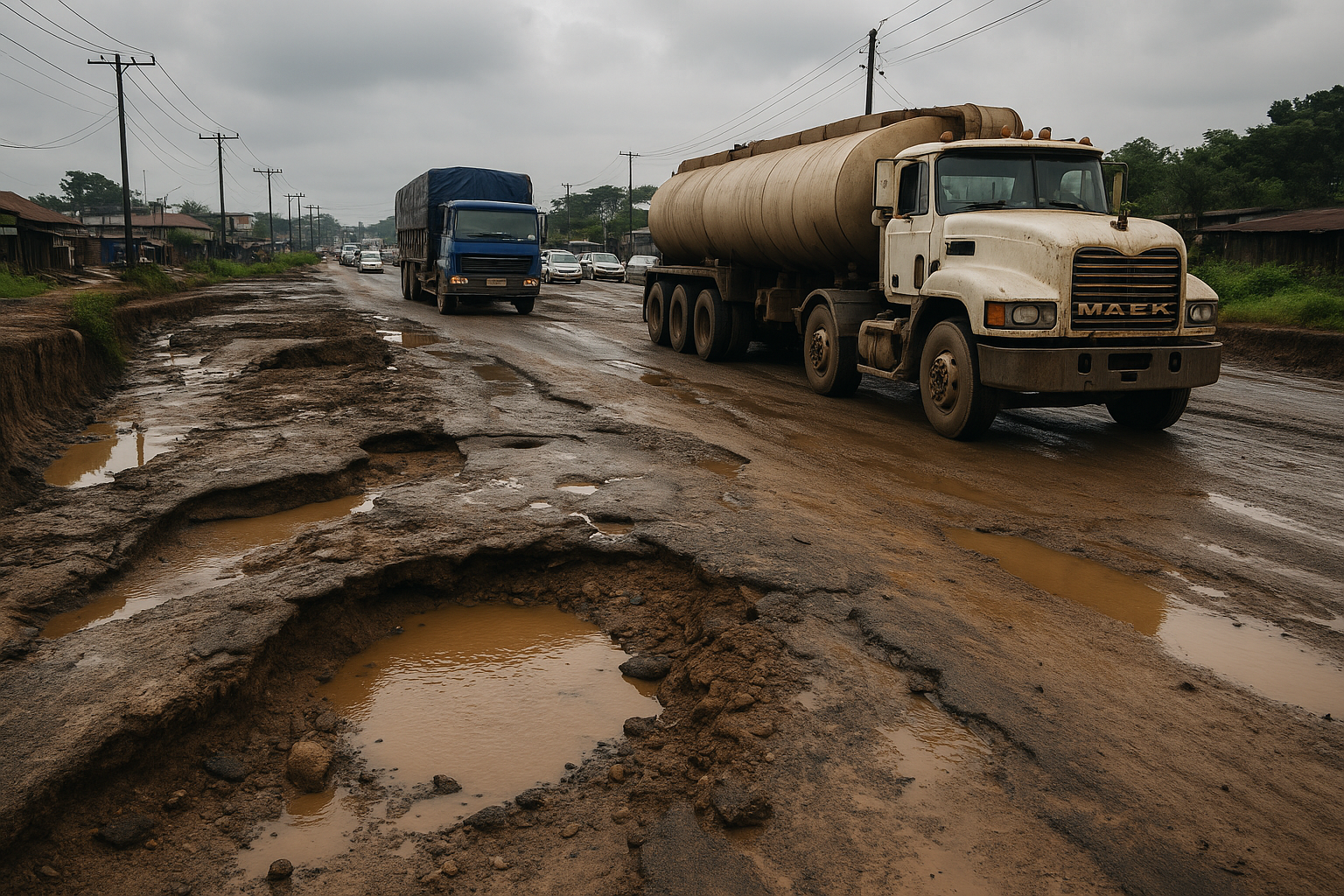
In Nigeria, a fuel tanker crash is rarely just an accident. It is often a countdown to disaster.
Also Read:Breaking: Gas-Laden Tanker Overturns in Lagos
From Lokoja to Ibadan, Benin to Enugu, one tanker losing control can instantly turn a highway, market, or residential area into a fireball, killing dozens within seconds.
Despite repeated tragedies, tanker explosions remain frighteningly common and largely preventable.
RoadKing.ng investigates why fuel tanker crashes in Nigeria so often escalate into mass-casualty explosions, who is failing, and why Nigerians continue to pay with their lives.
A Pattern of Fire and Death
Fuel tanker explosions in Nigeria follow a grim pattern:
- Tanker loses control due to bad road or brake failure
- Vehicle overturns or collides
- Fuel spills onto the road
- Crowd gathers — either trapped motorists or fuel scoopers
- Ignition occurs
- Dozens die instantly
This cycle has repeated itself countless times, yet systemic change remains absent.
Recent Tragic Cases Nigerians Won’t Forget
Ibadan, Oyo State: In 2024, a tanker crash along the Ibadan–Ife Expressway led to an explosion that killed over 10 people, including commuters trapped in traffic.
Lokoja, Kogi State: Multiple tanker incidents occur yearly near Felele and Gegu Junction, driven by steep slopes and failed brakes.
Benin–Ore Road: Fuel tankers frequently overturn on broken sections, with explosions destroying nearby vehicles and shops.
According to FRSC, fuel tanker-related crashes account for less than 10% of total crashes, but contribute to over 30% of fire-related road deaths nationwide (FRSC Data, 2024).
Why Tanker Crashes Become Explosions
1. Weak Tanker Safety Standards
Many tankers on Nigerian roads:
- Are poorly maintained
- Lack reinforced fuel tanks
- Have faulty valves and seals
A minor collision becomes catastrophic because the tanks rupture easily.
2. Overloading and Brake Failure
Drivers often overload tankers to maximize profit. Combined with:
- Steep highways (Lokoja axis)
- Poor road surfaces
- Worn brake systems
…the result is inevitable brake failure.
3. Bad Roads Amplify the Risk
Potholes, failed shoulders, and collapsed sections force tankers to:
- Swerve suddenly
- Tip over
- Lose balance on uneven surfaces
Bad roads don’t just cause crashes, they turn tankers into bombs.
4. Fuel Scooping Culture
Perhaps the most painful factor.
After tanker crashes, civilians rush to scoop fuel, ignoring:
- Vapor buildup
- Static electricity
- Engine heat
One spark is all it takes. In seconds, entire crowds vanish.
5. Delayed Emergency Response
Fire service units often arrive:
- Without water
- Without foam
- Too late
By the time help arrives, the fire has already consumed everything.
The Human Cost Beyond Numbers
Behind every explosion are families erased:
- Breadwinners burned beyond recognition
- Children orphaned in seconds
- Survivors living with permanent burns
- Many victims are never properly identified.
What the Numbers Reveal
- Nigeria records hundreds of tanker crashes annually
- Thousands have died in tanker-related fires over the past decade
- Most explosions occur on federal highways in poor condition
Yet, Nigeria still lacks mandatory explosion-resistant tanker protection systems.
Why This Keeps Happening
- Weak regulation enforcement
- Corruption in vehicle inspections
- Absence of modern tanker safety technology
- Neglect of dangerous road corridors
- Poverty-driven fuel scooping
This is not fate. It is failure.
RoadKing.ng Safety Advisory
🛑 Never approach a fallen fuel tanker
🛑 Move at least 500 meters away immediately
🛑 Warn others to stay back
🛑 Report to FRSC, Fire Service, and Police
🛑 Drivers: reduce speed near tanker-heavy routes
The Bigger Question
Why do Nigerian tankers explode so easily when other countries experience similar crashes without mass casualties?
The answer lies in engineering, enforcement, and accountability, all of which are dangerously lacking.
Until tanker safety is treated as a national emergency, Nigeria’s highways will continue to double as cremation grounds.








UDOT Completes Safety Upgrades and Begins Major Improvements on US-6 in Spanish Fork Canyon
Four Die, Seven Injured in Deadly Multi-Vehicle Crash on SR-60 East

69-Year-Old Man Killed in Rollover Crash on I-294 Near Des Plaines, Illinois

Why Overloading Vehicles Is a Silent Killer on African Roads

Brake Failure Warning Signs Every Driver Must Never Ignore

Four Hospitalised After A73 Road Crash in South Lanarkshire, Scotland

Delhi Road Safety Experts Advocate 30 km/h Limits in High-Risk Zones

Three Family Members Killed in Bus–Bike Crash on East Midnapore Highway

Electric Vehicles in 2026: Impact on Road Safety, Charging, and Driver Behavior

Bhutan Launches Real-Time Crash Data System to Improve Road Safety
Brake Failure Warning Signs Every Driver Must Never Ignore
Four Hospitalised After A73 Road Crash in South Lanarkshire, Scotland
69-Year-Old Man Killed in Rollover Crash on I-294 Near Des Plaines, Illinois
Electric Vehicles in 2026: Impact on Road Safety, Charging, and Driver Behavior

English Teacher Killed in Water Tanker Collision on 51-Foot Road, Delhi
Why Overloading Vehicles Is a Silent Killer on African Roads

Crackdown on Scholar Transport in Lenasia After Deadly Crash:
Three Family Members Killed in Bus–Bike Crash on East Midnapore Highway
Bhutan Launches Real-Time Crash Data System to Improve Road Safety
Delhi Road Safety Experts Advocate 30 km/h Limits in High-Risk Zones

Slow Down: Man got his Family Killed by neglecting road signs

Which Bridge is the Tallest in the World?
Impatient Driving Cause Road Accident
How Roads are Constructed on the Mountain

Texas, USA suffers heavy flooding