
Roads & Governance / Infrastructure Policy
Poor Road Drainage Worsening Flood-Related Crashes

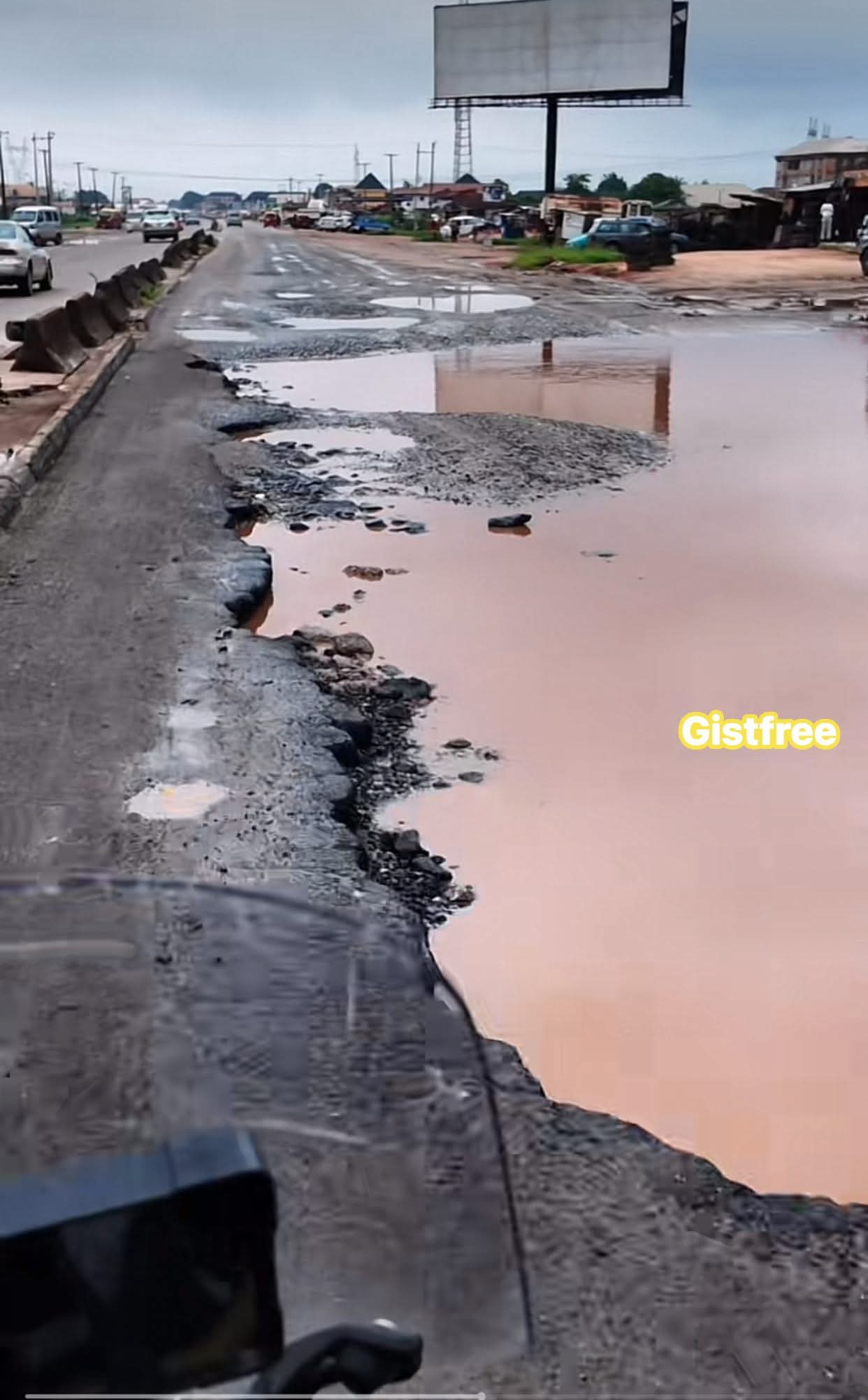
Civil engineering experts are raising renewed concern over the condition of road drainage systems across Nigeria, warning that blocked and poorly designed drains are increasingly contributing to flood-related crashes, vehicle breakdowns, and traffic paralysis.
Also Read: Mobile Phone Distraction Now a Major Cause of Road Crashes
With the onset of seasonal rains in many parts of the country, major highways and urban corridors have continued to experience sudden flooding, leaving motorists stranded, vehicles submerged, and traffic flows disrupted for hours.
Emergency responders say several flood-related incidents recorded in recent months involved vehicles skidding off waterlogged roads, engines shutting down in submerged sections, and commercial buses breaking down mid-journey.
Civil engineers explain that when drains are blocked, collapsed, or poorly aligned, rainwater accumulates on road surfaces instead of being discharged. This creates:
- Slippery road conditions
- Reduced tyre grip and longer braking distances
- Hidden potholes beneath floodwater
- Engine flooding and electrical failures
- Sudden loss of visibility
At highway speed, even shallow floodwater can cause aquaplaning, where tyres lose contact with the road, leaving drivers with little or no steering control.
According to safety experts, many flood-related crashes are not caused by rainfall itself, but by infrastructure neglect.
Traffic agencies report that several urban centres, including Lagos, Ibadan, Port Harcourt, Benin City, Aba, and parts of Abuja, consistently record flooding after moderate rainfall due to blocked culverts and poorly maintained drainage channels.
On inter-state highways, broken shoulders and silted drains force water back onto carriageways, weakening asphalt layers and accelerating road failure.
Transport engineers warn that prolonged water exposure erodes road foundations, creating potholes that further trap water, forming a cycle of deterioration.
The Federal Road Safety Corps (FRSC) has repeatedly cautioned motorists to reduce speed during rainfall and avoid driving through flooded roads, noting that flood-related crashes often result in multiple vehicle involvement.
The Nigerian Meteorological Agency (NiMet) has also issued several seasonal rainfall outlooks highlighting increased flood risks across transport corridors.
Safety advocates are calling for urgent government intervention to clear blocked drains, redesign flood-prone road sections, and enforce maintenance accountability.
Road safety experts recommend that drivers:
- Avoid flooded sections whenever possible
- Reduce speed immediately during rainfall
- Never drive through unknown water depth
- Watch for stalled vehicles ahead
- Turn back rather than risk submerged roads
- Service braking and electrical systems regularly
Passengers are also urged to speak up if a driver attempts to force a vehicle through dangerous floodwater.
Flooded roads are not just an inconvenience, they are active safety threats. From hidden craters to sudden engine shutdowns and multi-vehicle collisions, poorly drained roads expose thousands of Nigerians daily to avoidable danger.
Experts warn that until road drainage is treated as a national transport safety priority, rainfall will continue to transform highways into accident corridors.






Five Die as Truck, Car Collide on Badagry Expressway

Two Killed as Trucks Collide, Burst Into Flames on Anambra Road

Stakeholders Raise Alarm Over Safety Gaps in Nigeria’s CNG and Electric Vehicle Transition

Female Driver Dies in Tragic Road Crash at Mongoro, Ile-Zik Area of Lagos

Physically Challenged Beggar Killed in Multi-Vehicle Crash on Lagos-Ibadan Expressway

Court Bars FRSC Officials From State Roads

24 Pupils Killed in Tragic Bus Crash During School Excursion in Uganda

Tyre Blowouts on Heavy Trucks

BYD Seal EV: Can It Challenge Traditional Sedans?

Colorado to Strengthen Driver Education Requirements

Slow Down: Man got his Family Killed by neglecting road signs

Which Bridge is the Tallest in the World?
Impatient Driving Cause Road Accident
How Roads are Constructed on the Mountain

Texas, USA suffers heavy flooding