
News Update
Massive Winter Storm “Fern” Paralyzes Trave Across the United States

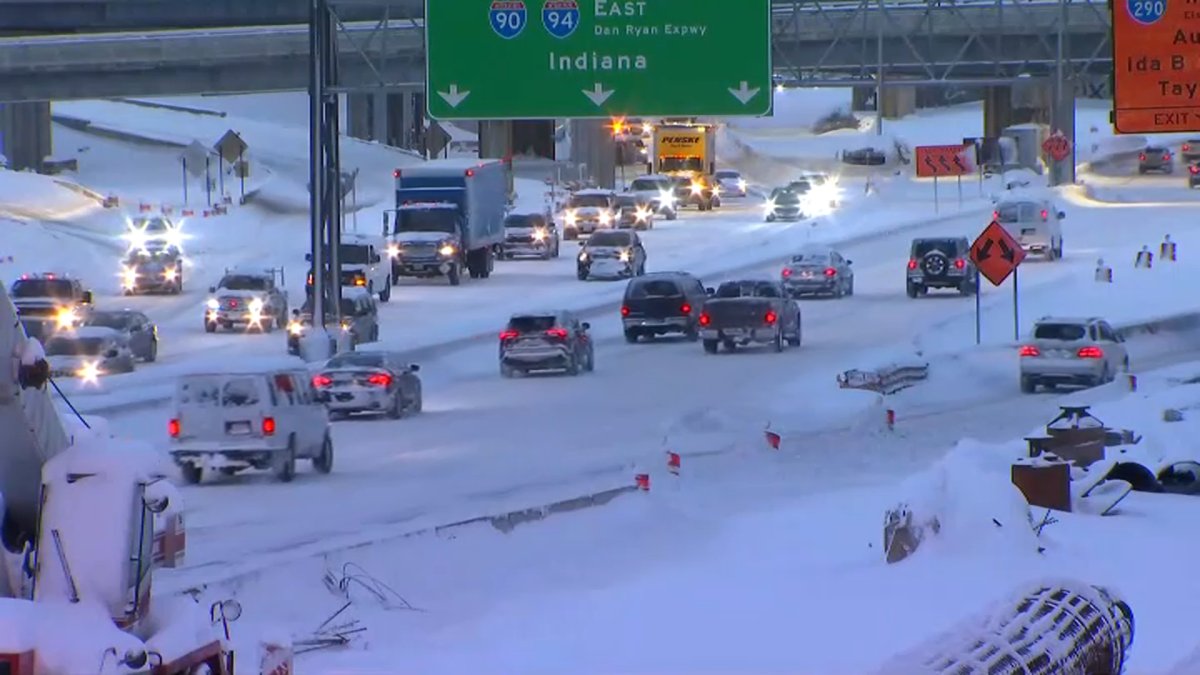
A historic winter storm, dubbed Winter Storm Fern continues to wreak havoc across the United States on Monday, 26 January 2026, bringing heavy snow, sleet, freezing rain, plunging temperatures, power outages, flight chaos, and dangerous road conditions from the South through the Northeast and into New England.
Also Read:
1. Heavy Snowfall in Himachal Pradesh Blocks Roads and Traps Tourists
2. Heavy Snowstorm Triggers Multi-Vehicle Crashes Across U.S. Midwest
3. Connecticut Declares State of Emergency, Commercial Vehicle Ban Ahead of Major Winter Storm
The National Weather Service (NWS) has described Fern as one of the broadest, most impactful winter weather systems of the season, affecting more than a thousand miles of territory in a multi-state band of hazardous weather.
Roads are treacherous, travel advisories are widespread, and authorities are urging motorists to avoid non-essential travel until conditions improve.
The storm has dumped snow, sleet, and freezing rain from the Ohio Valley all the way to New England, creating dangerously slick roads and severely reduced visibility.
Ice accumulation has been described as “catastrophic” in parts of the Lower Mississippi Valley, Mid-Atlantic and Southeast regions, where freezing rain has glazed tree limbs and power lines, leading to structural damage and widespread outages.
In many locations, snowfall totals ranged from 8 to 24 inches (20–60 cm), with up to 30 cm forecast in some Northeast cities, prompting winter storm warnings, states of emergency, and widespread travel advisories.
Road conditions have deteriorated significantly due to:
- Sleet and freezing rain turning roads into ice sheets
- Snow-covered highways and secondary roads
- Power line and tree limb collapses blocking thoroughfares
Officials report numerous traffic accidents and dangerous driving conditions, with emergency management urging people to stay off roads unless absolutely necessary.
Many local and state agencies have instituted chain or snow-tire requirements, especially in mountainous or northern regions, while school districts canceled classes due to the storm’s severity and the hazardous commute it would create.
The storm has also triggered widespread flight cancellations and delays. Flight tracking analytics show that more than 10,500 flights were canceled on Sunday alone, with additional cancellations continuing into Monday as Fern remains active.
Major hubs such as Philadelphia International, New York’s JFK and LaGuardia, and Reagan National Airport reported significant disruptions.
Airlines have issued travel waivers and rebooking options, but passengers are warned that services may remain limited as airports contend with runway de-icing challenges, reduced visibility, and personnel shortages.
The storm’s ice loading and wind gusts have toppled power lines and poles, resulting in hundreds of thousands of homes and businesses losing electricity, particularly in the Southeast.
Emergency utility crews are working around the clock, but freezing temperatures and heavy precipitation threaten delays in restoration efforts.
This power disruption has compounded travel risks, making road heaters, traffic signals, and essential services less reliable in some communities.
Transport and weather officials are advising all road users to:
- Avoid non-essential driving until roads are cleared and treated
- Use winter tires and chains where required
- Maintain extra distance between vehicles
- Carry winter safety kits (blankets, food, water, flashlight)
- Check local advisories and DOT travel forecasts before departure
The NWS warns that dangerous travel conditions could persist for days, even after snow and sleet have ended, due to refreezing of untreated surfaces.







Five Die as Truck, Car Collide on Badagry Expressway

Two Killed as Trucks Collide, Burst Into Flames on Anambra Road

Stakeholders Raise Alarm Over Safety Gaps in Nigeria’s CNG and Electric Vehicle Transition

Female Driver Dies in Tragic Road Crash at Mongoro, Ile-Zik Area of Lagos

Physically Challenged Beggar Killed in Multi-Vehicle Crash on Lagos-Ibadan Expressway

Court Bars FRSC Officials From State Roads

24 Pupils Killed in Tragic Bus Crash During School Excursion in Uganda

Tyre Blowouts on Heavy Trucks

BYD Seal EV: Can It Challenge Traditional Sedans?

Colorado to Strengthen Driver Education Requirements

Slow Down: Man got his Family Killed by neglecting road signs

Which Bridge is the Tallest in the World?
Impatient Driving Cause Road Accident
How Roads are Constructed on the Mountain

Texas, USA suffers heavy flooding