
News Update
Electric Vehicles in 2026: Impact on Road Safety, Charging, and Driver Behavior


The global shift toward electric vehicles (EVs) continues to accelerate in 2026 as consumers, governments, and automakers embrace cleaner transport technology.
Also Read:
1. Electric Vehicle Accidents Rising in the U.S. as EV Adoption Grows
2. Dubai Rolls Out Long-Range Electric Buses in Major Push for Green Public Transport
3. Electric vs. Gas Cars: Which is Best for You?
EV sales climbed sharply over the past year, with new models hitting the market across price ranges from compact city cars to long-range SUVs and high-performance sedans.
But the rise of EVs is not just about tailpipe emissions; it’s reshaping road safety, vehicle maintenance, charging infrastructure, and driving behavior.
Several factors are driving the global EV wave:
- Government incentives and tax breaks in Europe, North America, and parts of Asia.
- Lower operating costs compared to internal combustion engine (ICE) vehicles.
- Improved battery technology yielding longer range (often 300-500 km+ per charge).
- Growing awareness of climate change and cleaner urban air quality.
Automakers from traditional brands to new EV-only startups are expanding lineups, making EVs more accessible to everyday buyers.
While EVs offer environmental benefits, they also introduce new considerations for road users and safety officials:
Different Acceleration and Braking Behavior
EVs often have instant torque, which changes acceleration response. Drivers must adapt to avoid over-acceleration in traffic, a known contributor to collisions when drivers aren’t accustomed to EV power delivery.
Quieter Operation
Lower noise levels, especially at low speed improve comfort but pose pedestrian risk, particularly for visually impaired people. Many EVs now include Acoustic Vehicle Alerting Systems (AVAS) that emit sound at walking speeds.
Weight and Handling
Batteries make EVs heavier than equivalent ICE cars. While heavy vehicles can offer stability, heavier weight may affect braking distances and road wear, especially on worn pavement.
Regenerative Braking
EVs use regenerative braking that slows the vehicle via motor resistance, not friction pads. While this can reduce brake wear, drivers must understand how it affects stopping distances and pedal feel.
Charging Infrastructure On the Road and In Cities
A key barrier to EV adoption remains access to reliable charging:
Home Charging vs Public Stations
Many EV owners charge at home overnight, but long trips rely on fast-charging networks along highways and urban centers. Governments and private firms are rapidly expanding high-power charging corridors.
RoadKing’s Road Safety Tip:
Before long trips, plan charging stops using dedicated apps that show live charger availability, estimated charging time, and connector compatibility.
Roadside Safety Around Chargers:
Charging stations are often near busy roads. Good station design includes clear signage, safe turn-off lanes, and lighting factors that reduce crash risk around EV infrastructure.
Maintenance & Vehicle Care Differences
EVs simplify some aspects of vehicle maintenance, no oil changes or spark plugs but introduce new ones:
- Battery Health Monitoring: Battery degradation affects range and performance. Drivers should monitor state of health (SOH) and avoid frequent deep discharge.
- Thermal Management: Hot or cold climates affect battery efficiency; proper thermal systems and parking habits (shade/cooling in heat; pre-conditioning in cold) improve longevity and range.
- Software Updates: Many EVs receive over-the-air updates that improve functionality or safety features. Owners should install updates promptly.
Policy & Future Road Planning
EV adoption affects how governments and planners think about transport systems:
Energy Grid Integration: More EVs mean higher electricity demand, especially in urban centers. Smart grids, time-of-use charging incentives, and renewable sources become critical.
Road Funding Models: Since EVs don’t use fuel taxed at the pump, some regions are exploring vehicle-miles-traveled (VMT) fees or EV road use charges to fund infrastructure.
Smart Roads and Connected Vehicles: EVs often come with advanced driver-assist systems (ADAS) and connectivity that can work with smart infrastructure (traffic signals, dynamic speed limits) to improve safety and flow.
What Drivers Should Do Now
RoadKing’s key tips for current and prospective EV drivers:
- Get familiar with your EV’s braking and regenerative systems.
- Plan trips around charging infrastructure.
- Use EV-specific navigation apps that factor in elevation, weather, and traffic to estimate range.
- Prioritise safety features like pedestrian alerts and lane assist systems.
- Monitor battery health and follow manufacturer care advice.






Five Die as Truck, Car Collide on Badagry Expressway

Two Killed as Trucks Collide, Burst Into Flames on Anambra Road

Stakeholders Raise Alarm Over Safety Gaps in Nigeria’s CNG and Electric Vehicle Transition

Female Driver Dies in Tragic Road Crash at Mongoro, Ile-Zik Area of Lagos

Physically Challenged Beggar Killed in Multi-Vehicle Crash on Lagos-Ibadan Expressway

Court Bars FRSC Officials From State Roads

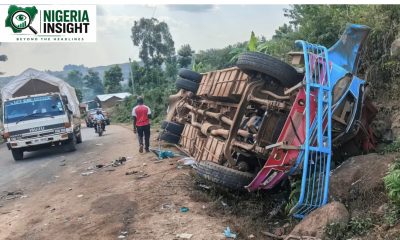
24 Pupils Killed in Tragic Bus Crash During School Excursion in Uganda

Tyre Blowouts on Heavy Trucks

BYD Seal EV: Can It Challenge Traditional Sedans?

Colorado to Strengthen Driver Education Requirements

Slow Down: Man got his Family Killed by neglecting road signs

Which Bridge is the Tallest in the World?
Impatient Driving Cause Road Accident
How Roads are Constructed on the Mountain

Texas, USA suffers heavy flooding