
Car/Vehicle Maintenance
Causes of Car Vibration and Jerking During Motion


Experiencing car vibration or jerking while driving can be alarming and uncomfortable. These symptoms are usually a sign that something is wrong with your vehicle.
Identifying the cause early can prevent more serious damage and ensure a smooth, safe ride. This article explores the most common causes of car vibration and jerking during motion, along with potential solutions.
1. Engine Problems
Engine issues are a leading cause of jerking and vibration. Some of the most common engine-related problems include:
A. Faulty Spark Plugs
Worn or dirty spark plugs can misfire, causing the engine to run unevenly. This results in jerking during acceleration or cruising.
B. Dirty Fuel Injectors
Clogged or dirty fuel injectors can disrupt the air-fuel mixture, leading to poor combustion and engine hesitation.
C. Vacuum Leaks
Leaks in the vacuum system can alter the air-fuel ratio, leading to rough idling and jerking.
D. Engine Mount Failure
Worn or broken engine mounts can’t properly absorb the engine’s movement, causing noticeable vibrations inside the vehicle.
2. Transmission Issues
Transmission problems can also lead to jerking and vibrations, particularly during gear changes.
A. Low or Old Transmission Fluid
Dirty or low transmission fluid can prevent the gears from engaging smoothly, resulting in jerking and shuddering.
B. Failing Torque Converter
A faulty torque converter can cause the vehicle to shudder or jerk when accelerating or decelerating.
C. Transmission Slippage
If the transmission slips between gears, it can cause a noticeable jerking motion.
3. Suspension and Steering Components
Your suspension and steering systems are crucial for a smooth ride. When parts wear out, you might feel vibrations.
A. Worn Out Shocks or Struts
Damaged shocks or struts can’t absorb bumps effectively, causing the car to bounce or vibrate.
B. Loose or Worn Ball Joints
Ball joints connect the control arms to the steering knuckles. If worn, they can cause jerky movement and clunking noises.
C. Damaged Control Arm Bushings
Worn bushings can lead to instability and vibrations, especially at higher speeds.
4. Wheel and Tire Problems
Wheel and tire issues are among the most common causes of car vibration.
A. Unbalanced Tires
Uneven tire weight distribution causes the steering wheel and car to vibrate, especially at high speeds.
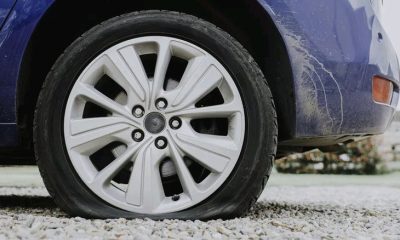
B. Worn or Damaged Tires
Bald or unevenly worn tires can create vibrations and jerking, particularly when accelerating or braking.
C. Bent Wheels or Rims
Hitting a pothole or curb can bend a wheel, leading to constant vibration while driving.
D. Misaligned Wheels
Poor wheel alignment can cause the car to pull to one side and vibrate, particularly when turning.
5. Brake System Issues
Problems with the braking system can cause vibration, especially when slowing down.
A. Warped Brake Rotors
Warped rotors can cause the brake pedal and steering wheel to vibrate during braking.
B. Sticking Brake Calipers
A sticking caliper can create uneven braking pressure, resulting in a jerky stop or vibration.
6. Drivetrain and Axle Problems
The drivetrain and axles transfer power from the engine to the wheels. Any issues here can lead to jerking and vibration.
A. Worn CV Joints
Constant Velocity (CV) joints allow the wheels to turn while the suspension moves. Worn joints can cause vibrations and clicking noises.
B. Damaged Driveshaft
A bent or unbalanced driveshaft can create significant vibrations, especially at high speeds.
Prevention and Maintenance Tips
- Regular Inspections: Schedule periodic checks for your suspension, tires, brakes, and engine components.
- Proper Tire Care: Ensure tires are balanced, aligned, and inflated to the correct pressure.
- Use Quality Fuel and Fluids: Prevent fuel system and transmission problems with quality inputs.
- Address Warning Signs Early: Don’t ignore unusual sounds, vibrations, or dashboard lights.
Car vibration and jerking during motion are symptoms that should never be ignored. They can stem from engine issues, transmission failures, suspension problems, or wheel and tire defects. Regular maintenance, prompt diagnosis, and addressing issues early are key to keeping your vehicle in peak condition and ensuring a comfortable driving experience.








Five Die as Truck, Car Collide on Badagry Expressway

Two Killed as Trucks Collide, Burst Into Flames on Anambra Road

Stakeholders Raise Alarm Over Safety Gaps in Nigeria’s CNG and Electric Vehicle Transition

Female Driver Dies in Tragic Road Crash at Mongoro, Ile-Zik Area of Lagos

Physically Challenged Beggar Killed in Multi-Vehicle Crash on Lagos-Ibadan Expressway

Court Bars FRSC Officials From State Roads

24 Pupils Killed in Tragic Bus Crash During School Excursion in Uganda

Tyre Blowouts on Heavy Trucks

BYD Seal EV: Can It Challenge Traditional Sedans?

Colorado to Strengthen Driver Education Requirements

Slow Down: Man got his Family Killed by neglecting road signs

Which Bridge is the Tallest in the World?
Impatient Driving Cause Road Accident
How Roads are Constructed on the Mountain

Texas, USA suffers heavy flooding