
Driver Training
Why Running Out of Fuel Is More Dangerous Than Many Drivers Realise

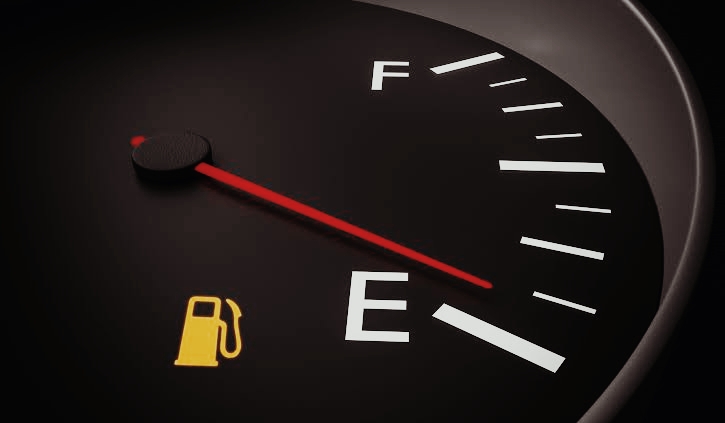
Fuel management is often treated as a cost issue, but on Nigerian roads, it has become a major safety concern.
Also Read: How Bad Fuel Can Affect Good Engine
From stalled vehicles on expressways to commercial buses breaking down in traffic, poor fuel planning is increasingly linked to avoidable crashes, highway obstructions, and pedestrian fatalities.
RoadKing.ng investigations into roadside breakdowns show that a significant number of incidents on major highways are not caused by mechanical failure, but by empty fuel tanks.
Why Fuel Management Is a Safety Issue
When a vehicle runs out of fuel unexpectedly, it often:
- Breaks down in the middle of fast-moving traffic
- Becomes an unmarked obstacle, especially at night
- Forces drivers and passengers to stand on dangerous highways
- Increases the risk of rear-end collisions
- Creates sudden traffic congestion and chain-reaction crashes
On high-speed corridors such as the Lagos–Ibadan Expressway, Abuja–Kaduna Highway, Onitsha–Enugu Road, and East–West Road, stalled vehicles have repeatedly been involved in fatal secondary crashes.
Common Fuel-Related Mistakes by Drivers
Road safety officers identify several recurring behaviours:
- Driving long distances with the fuel gauge already on “reserve”
- Ignoring fuel warning lights
- Overestimating vehicle range
- Depending on roadside fuel sellers in remote areas
- Parking broken-down vehicles without reflective signs or hazard lights
In many fatal incidents reviewed by RoadKing.ng, drivers ran out of fuel at night, leaving vehicles poorly visible and highly vulnerable to impact.
Safety Consequences of Poor Fuel Planning
Poor fuel management increases:
- Highway collision risks
- Pedestrian knockdowns involving stranded motorists
- Fire hazards, especially when drivers carry fuel in unsafe containers
- Robbery and assault risks in isolated breakdown locations
- Traffic congestion and emergency response delays
Running out of fuel is not merely inconvenient, it can quickly escalate into a life-threatening situation.
Fuel Management Best Practices
Road safety and automotive experts advise motorists to:
- Refuel once the tank drops to one-quarter, not reserve
- Avoid long-distance trips without confirming fuel availability along the route
- Monitor fuel consumption, especially when carrying heavy loads
- Service vehicles regularly to prevent excessive fuel usage
- Never carry petrol inside passenger cabins
- Always keep reflective warning triangles in the boot
Commercial drivers are also urged to conduct fuel checks as part of daily pre-trip inspections.
Role of Drivers and Transport Operators
Transport companies, fleet managers, and commercial unions have a responsibility to ensure:
- Vehicles do not leave terminals on critically low fuel
- Drivers are trained on trip fuel planning
- Emergency equipment is available in case of breakdowns
Fuel mismanagement by commercial vehicles places not only drivers at risk, but dozens of passengers and other road users.
Conclusion
On Nigerian roads, fuel management is a road safety practice, not just a financial habit. Keeping enough fuel in your tank prevents dangerous breakdowns, reduces crash risks, and protects lives.
Every journey should begin with a simple but critical check: Is my fuel enough to get me there safely?





Five Die as Truck, Car Collide on Badagry Expressway

Two Killed as Trucks Collide, Burst Into Flames on Anambra Road

Stakeholders Raise Alarm Over Safety Gaps in Nigeria’s CNG and Electric Vehicle Transition

Female Driver Dies in Tragic Road Crash at Mongoro, Ile-Zik Area of Lagos

Physically Challenged Beggar Killed in Multi-Vehicle Crash on Lagos-Ibadan Expressway

Court Bars FRSC Officials From State Roads

24 Pupils Killed in Tragic Bus Crash During School Excursion in Uganda

Tyre Blowouts on Heavy Trucks

BYD Seal EV: Can It Challenge Traditional Sedans?

Colorado to Strengthen Driver Education Requirements

Slow Down: Man got his Family Killed by neglecting road signs

Which Bridge is the Tallest in the World?
Impatient Driving Cause Road Accident
How Roads are Constructed on the Mountain

Texas, USA suffers heavy flooding