
Car/Vehicle Maintenance
5 Simple DIY Checks to Boost Your Car’s Road Readiness

Nigeria’s rainy season elevates the risk of road incidents, hydroplaning, brake failure, battery issues, and poor visibility can all contribute.
Also Read: How to Drive in Heavy Rain: Safety Tips
Before hitting the road this wet season, perform these five vital checks:
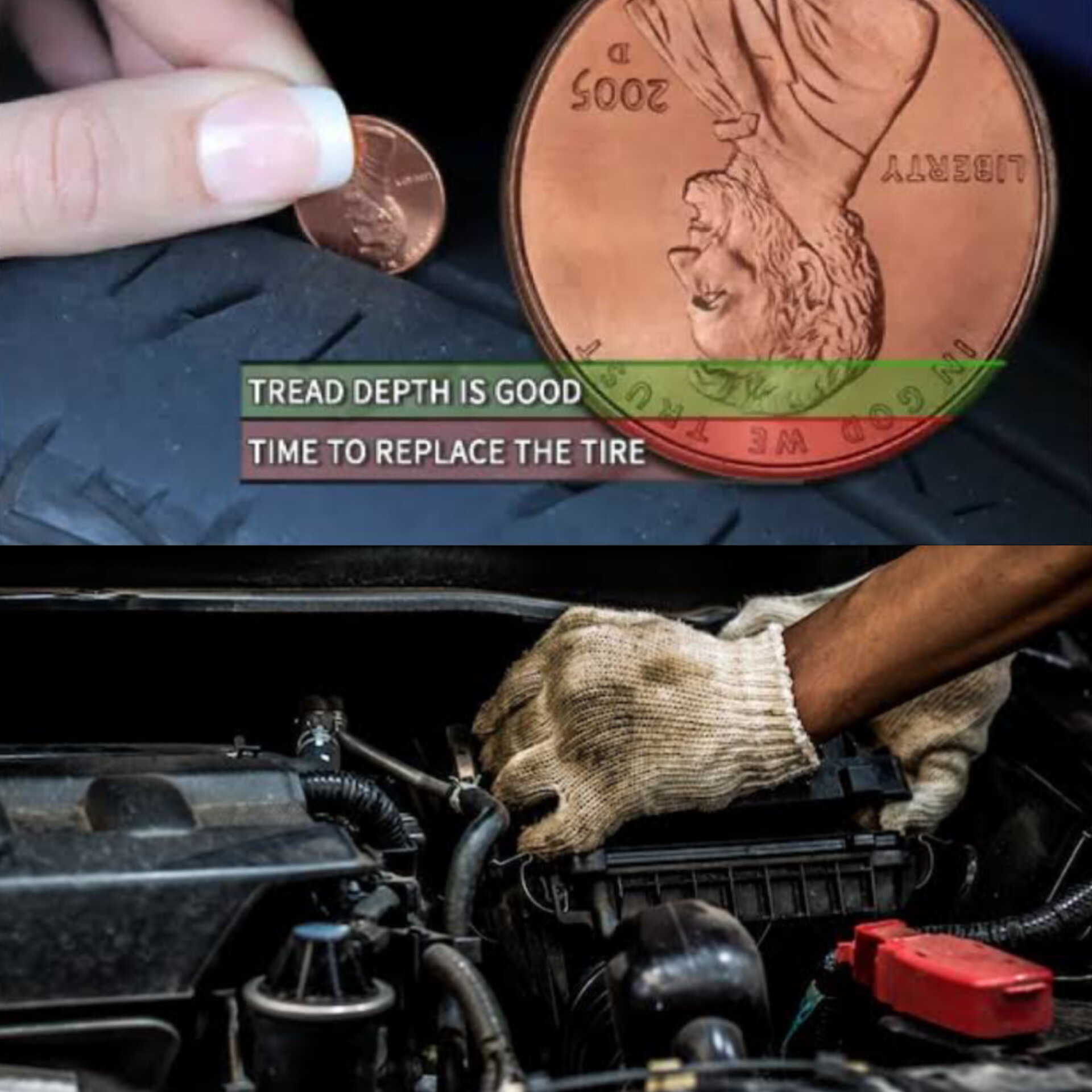
1. Tire Tread Depth & Pressure
Why: Shallow treads reduce grip on wet surfaces.
How: Use a tread depth gauge (recommended ≥ 3 mm) and inflate tires to your manufacturer’s recommended PSI (find in your owner’s manual or driver’s side door jamb).
2. Brake Performance Test
Why: Brakes can jam or fail in humid conditions.
How: In a safe space, apply the brakes at 30km/h. If the pedal feels spongy, make noise, or pulls to one side, it’s time for a pad/rotor inspection.
3. Wiper Blades & Windshield
Why: Clear visibility is essential during heavy rains.
How: Run the wipers. If they streak, jerk, or chatter, replace them. Clean the windshield and check fluid level using a 50‑50 washer-fluid mixture.
4. Under‑Bonnet Inspection
Why: Rain and humidity can corrode battery terminals or loosen fluid caps.
How: Look for corrosion on battery clamps (clean with baking soda & water), check engine oil, coolant, brake fluid, and power steering fluid levels.
5. Lights & Electrical Safety
Why: Faulty lights reduce visibility and increase accident risk.
How: With someone else’s help, check all lights (brake, indicators, headlights, fog lamps, reverse). Inspect wiring for frays or moisture damage, especially near door seals.
Bonus Tip: DIY Pre‑Trip Safety Checklist
Download our quick-reference checklist:
- Tire pressure & tread
- Brake test
- Wiper operation
- Fluid levels & battery
- All lights & wiring
Use it weekly during this season, this simple habit can prevent breakdowns and improve your safety.
Why It Matters
- These checks help you:
- Reduce accident risk during wet conditions
- Avoid costly breakdowns on long trips
- Maintain better road control, especially critical on Nigerian highways where water pooling is common




Five Die as Truck, Car Collide on Badagry Expressway

Two Killed as Trucks Collide, Burst Into Flames on Anambra Road

Stakeholders Raise Alarm Over Safety Gaps in Nigeria’s CNG and Electric Vehicle Transition

Female Driver Dies in Tragic Road Crash at Mongoro, Ile-Zik Area of Lagos

Physically Challenged Beggar Killed in Multi-Vehicle Crash on Lagos-Ibadan Expressway

Court Bars FRSC Officials From State Roads

24 Pupils Killed in Tragic Bus Crash During School Excursion in Uganda

Tyre Blowouts on Heavy Trucks

BYD Seal EV: Can It Challenge Traditional Sedans?

Colorado to Strengthen Driver Education Requirements

Slow Down: Man got his Family Killed by neglecting road signs

Which Bridge is the Tallest in the World?
Impatient Driving Cause Road Accident
How Roads are Constructed on the Mountain

Texas, USA suffers heavy flooding