
Car/Vehicle Maintenance
Causes of a Smoking Engine or Exhaust:

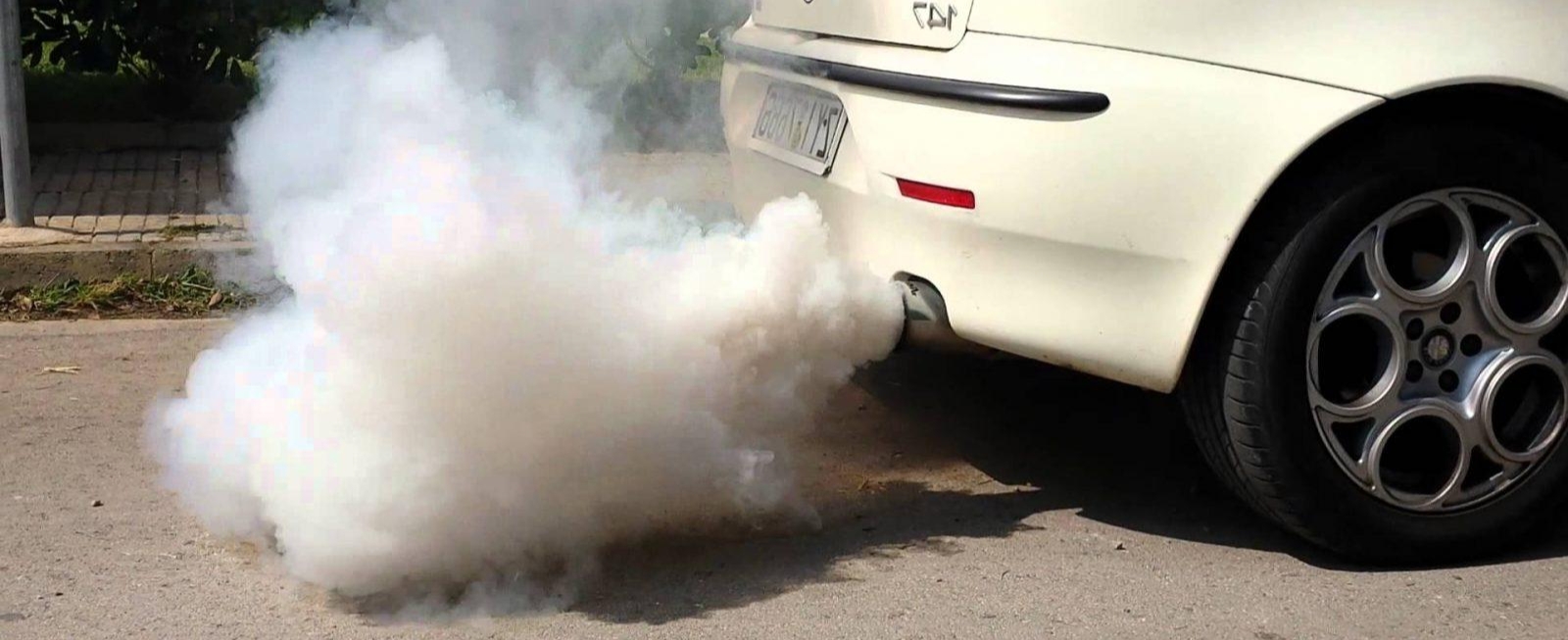
A smoking engine or exhaust is a clear indication of underlying mechanical issues. The color and type of smoke can provide important clues about the root cause.
Identifying and addressing these problems early can prevent severe engine damage and costly repairs. Below, we discuss the major causes of a smoking engine or exhaust, categorized by smoke color.
1. Black Smoke from the Exhaust
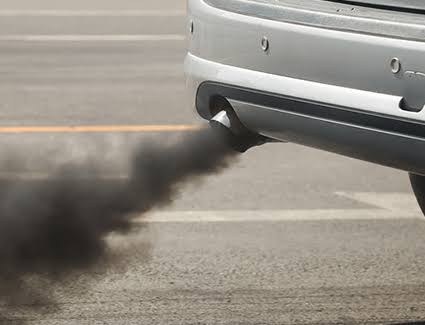
Black smoke usually indicates an excessively rich fuel mixture, meaning too much fuel is being burned. The primary causes include:
- Faulty Fuel Injectors: Leaking or clogged fuel injectors can cause excessive fuel consumption, leading to black smoke.
- Malfunctioning Mass Airflow Sensor (MAF) or Oxygen Sensors: These sensors help regulate the air-fuel mixture. A faulty sensor can cause the engine to burn too much fuel.
- Dirty or Clogged Air Filter: A blocked air filter restricts airflow, causing an imbalance in the air-fuel ratio and leading to black smoke.
- Faulty Fuel Pressure Regulator: A malfunctioning regulator can allow too much fuel into the engine.
2. White Smoke from the Exhaust
White smoke is often a sign of coolant or water entering the combustion chamber. Common causes include:
- Blown Head Gasket: This can allow coolant to leak into the cylinders, producing thick white smoke with a sweet smell.
- Cracked Cylinder Head or Engine Block: A severe crack in the engine block or cylinder head can allow coolant to mix with engine oil, leading to white smoke and possible overheating.
- Coolant Leak into the Intake Manifold: A damaged intake manifold gasket can cause coolant to leak into the engine, resulting in white exhaust smoke.
3. Blue or Gray Smoke from the Exhaust

Blue or gray smoke is a sign of oil burning inside the engine. This can be due to several issues:
- Worn Piston Rings: Damaged piston rings allow oil to seep into the combustion chamber, where it burns and produces blue smoke.
- Valve Seal Failure: Bad valve seals can leak oil into the engine’s cylinders, causing blue smoke.
- Turbocharger Problems: If your vehicle has a turbo, a failing turbo seal can lead to oil entering the combustion process, resulting in smoke.
- Overfilled or Wrong Oil Type: Using the incorrect oil viscosity or overfilling the engine oil can lead to excessive oil consumption and smoke.
4. Grey or White Smoke from the Engine Bay

Smoke coming from under the hood rather than the exhaust often signals overheating or a fluid leak. Causes include:
- Coolant or Oil Leaks: Leaking fluids that come into contact with hot engine parts can produce smoke.
- Burning Electrical Wires: Faulty wiring or an electrical short can lead to burning insulation, emitting grayish or white smoke.
- Leaking Transmission Fluid: Transmission fluid leaking onto the hot exhaust can create smoke.
5. Excessive Engine Load and Overheating
If an engine is under excessive strain, it may emit smoke due to high operating temperatures. Causes include:
- Overloaded Vehicle or Towing Beyond Capacity: Excessive weight puts extra stress on the engine, leading to overheating and potential smoking.
- Malfunctioning Cooling System: A failing radiator, water pump, or thermostat can cause overheating, which may produce smoke.
- Low or Contaminated Oil: Inadequate lubrication leads to increased friction and overheating, which can produce smoke.
Prevention and Solutions
1. Regular Maintenance: Routine oil changes, air filter replacements, and cooling system checks can prevent many smoking issues.
2. Using the Right Fuel and Oil: Ensure that your vehicle runs on the recommended fuel and oil type to avoid engine damage.
3. Timely Repairs: Addressing small problems early can prevent costly repairs and engine failure.
4. Check for Warning Signs: Monitor warning lights and unusual engine behavior to detect problems early.
A smoking engine or exhaust is a serious sign that something is wrong with your vehicle. The color and nature of the smoke provide valuable diagnostic clues.
By understanding the potential causes and taking prompt action, vehicle owners can prevent significant damage and ensure the longevity of their engines.
Regular maintenance, timely repairs, and using the right fluids can help keep your vehicle running smoothly and smoke-free.







Five Die as Truck, Car Collide on Badagry Expressway

Two Killed as Trucks Collide, Burst Into Flames on Anambra Road

Stakeholders Raise Alarm Over Safety Gaps in Nigeria’s CNG and Electric Vehicle Transition

Female Driver Dies in Tragic Road Crash at Mongoro, Ile-Zik Area of Lagos

Physically Challenged Beggar Killed in Multi-Vehicle Crash on Lagos-Ibadan Expressway

Court Bars FRSC Officials From State Roads

24 Pupils Killed in Tragic Bus Crash During School Excursion in Uganda

Tyre Blowouts on Heavy Trucks

BYD Seal EV: Can It Challenge Traditional Sedans?

Colorado to Strengthen Driver Education Requirements

Slow Down: Man got his Family Killed by neglecting road signs

Which Bridge is the Tallest in the World?
Impatient Driving Cause Road Accident
How Roads are Constructed on the Mountain

Texas, USA suffers heavy flooding