
Driving Tips
How to adapt to road conditions

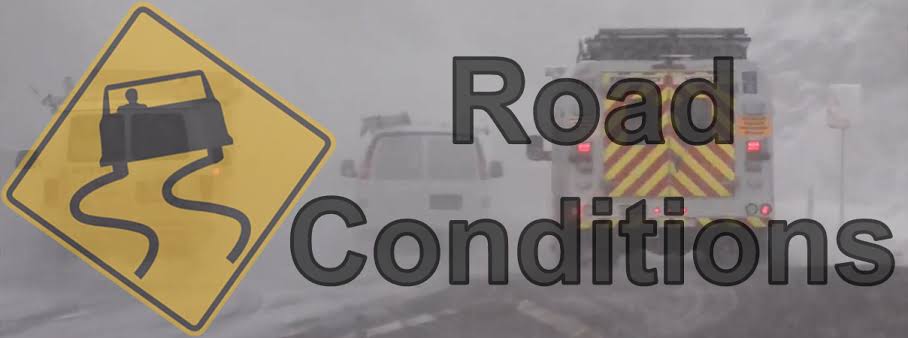
Driving is a dynamic activity that requires constant adaptation to varying road conditions.
Whether facing adverse weather, construction zones, or heavy traffic, a driver’s ability to adjust is crucial for ensuring safety on the road.
In this article, we will explore the importance of adapting to road conditions and provide practical tips to help drivers navigate diverse situations.
The Importance of Adapting to Road Conditions
1. Safety First
Adapting to road conditions is paramount for safety. Different scenarios demand different driving approaches, and being able to adjust your driving style accordingly can prevent accidents.
2. Reduced Risk of Accidents
Adjusting to road conditions minimizes the risk of accidents. Awareness of potential hazards and proactive responses contribute to accident prevention.
3. Enhanced Traffic Flow
Adapting to changing conditions promotes smoother traffic flow. Anticipating challenges and making necessary adjustments can prevent bottlenecks and reduce congestion.
4. Legal Compliance
Adhering to speed limits, traffic signs, and regulations specific to certain road conditions is essential for legal compliance.
Failure to adapt to posted guidelines can result in traffic violations and compromise road safety.
Tips for Adapting to Road Conditions
1. Weather Conditions
a. Rain and Snow

- Reduce speed in inclement weather to ensure better control of the vehicle.
- Increase following distance to accommodate longer braking distances on wet or icy roads.
b. Fog
- Use low-beam headlights to improve visibility.
- Increase following distance and drive at a cautious speed.
2. Construction Zones
a. Reduce Speed
- Adhere to reduced speed limits posted in construction zones.
- Be alert for changes in road patterns and lane closures.
b. Stay Focused
- Minimize distractions to remain vigilant in construction areas.
- Follow directional signs and lane markings.
3. Heavy Traffic
a. Maintain Following Distance
- Keep a safe following distance to allow for sudden stops.
- Avoid aggressive driving behaviors in congested traffic.
b. Plan Ahead
- Plan routes and travel during off-peak hours when possible.
- Use navigation apps for real-time traffic updates.
4. Night Driving

a. Use Proper Lighting
- Ensure headlights and taillights are functioning correctly.
- Adjust driving speed to account for reduced visibility.
b. Stay Alert
- Be vigilant for pedestrians and wildlife that may be more active during the night.
- Take breaks if feeling fatigued.
Adapting to road conditions is a fundamental skill for every driver.
By staying informed, being vigilant, and making necessary adjustments, drivers can contribute to safer roads for themselves and others.
Whether facing adverse weather, navigating construction zones, or encountering heavy traffic, a proactive and adaptable approach to driving ensures a smoother, safer, and more enjoyable experience on the road.

Five Die as Truck, Car Collide on Badagry Expressway

Two Killed as Trucks Collide, Burst Into Flames on Anambra Road

Stakeholders Raise Alarm Over Safety Gaps in Nigeria’s CNG and Electric Vehicle Transition

Female Driver Dies in Tragic Road Crash at Mongoro, Ile-Zik Area of Lagos

Physically Challenged Beggar Killed in Multi-Vehicle Crash on Lagos-Ibadan Expressway

Court Bars FRSC Officials From State Roads

24 Pupils Killed in Tragic Bus Crash During School Excursion in Uganda

Tyre Blowouts on Heavy Trucks

BYD Seal EV: Can It Challenge Traditional Sedans?

Colorado to Strengthen Driver Education Requirements

Slow Down: Man got his Family Killed by neglecting road signs

Which Bridge is the Tallest in the World?
Impatient Driving Cause Road Accident
How Roads are Constructed on the Mountain

Texas, USA suffers heavy flooding