
Articles
How to Handle Potholes Without Damaging Your Car

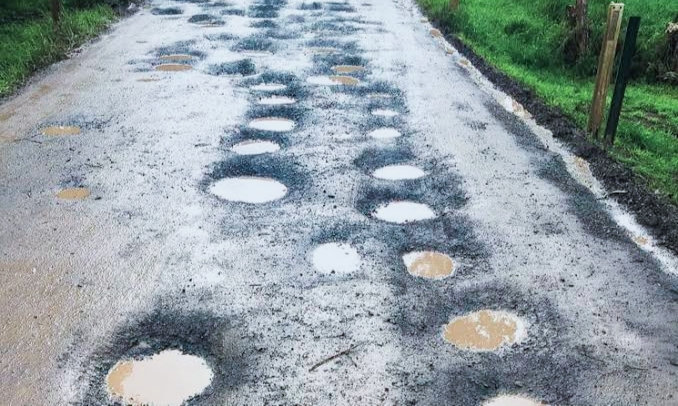
Driving on poorly maintained roads can be a frustrating and costly experience for drivers. Potholes, formed from weather conditions and road wear, pose a significant threat to vehicles, causing damage to tires, suspension systems, and even alignment.
However, by knowing how to navigate them properly, you can avoid expensive repairs and extend the life of your car.
Here’s a comprehensive guide on how to handle potholes without damaging your car.
1. Stay Alert and Drive Defensively
One of the best ways to avoid pothole damage is to see them before you hit them. Driving defensively means constantly scanning the road for potential hazards, including potholes.
While it’s easy to get distracted by other traffic or road conditions, staying alert helps prevent sudden surprises.
When driving on roads prone to potholes, try to maintain a proper following distance from the car ahead.
This gives you more time to see and react to potholes, especially if the vehicle in front suddenly swerves or slows down.
2. Slow Down When Approaching a Pothole
Speed plays a crucial role in how much damage your car sustains when hitting a pothole. The faster you are going, the harder the impact will be on your tires and suspension.
If you spot a pothole and can’t avoid it, gradually slow down before reaching it. Braking gently reduces the force with which your car hits the pothole.
However, avoid slamming on the brakes just before impact. Braking at the wrong time transfers the vehicle’s weight forward, pushing the front of the car down and increasing the likelihood of damage to the tires and suspension.
3. Steer Clear of Potholes if Safe to Do So
Whenever possible, safely steer around potholes. Be sure to check your blind spots and surroundings before veering to avoid a pothole to prevent swerving into another car or cyclist.
It’s better to drive over a small pothole than risk a collision or loss of control while attempting to avoid a larger one.
Sometimes, roads are so pockmarked with potholes that avoiding them entirely is impossible.
In this case, try to align your car so that the pothole passes between the tires rather than driving over it.
4. Maintain Proper Tire Pressure
Driving with tires that are either overinflated or underinflated can make pothole impacts much worse.
Tires that are not at the correct pressure are less able to absorb the impact of a pothole, which increases the chance of tire damage or a blowout.
Check your vehicle’s owner’s manual or the sticker inside the driver’s door for the recommended tire pressure and ensure that your tires are properly inflated.
Regularly checking and adjusting your tire pressure, especially before long trips or in colder weather, can reduce the likelihood of pothole-related tire damage.
5. Inspect Your Car for Damage After a Pothole Hit
Even if you do everything right, sometimes it’s impossible to avoid hitting a pothole. When this happens, it’s essential to check for any immediate or delayed damage. After hitting a pothole, pull over safely and inspect your car.
Look for any visible damage to your tires, including bulges, cuts, or sidewall tears. Also, check your rims for bends or cracks.
If you feel any unusual vibrations or the steering starts pulling to one side, you may have damaged your alignment, which will require professional adjustment.
Getting these issues addressed promptly can prevent further damage and ensure your car remains safe to drive.
6. Get Your Suspension System Inspected Regularly
Your car’s suspension system is designed to absorb shocks and ensure a smooth ride. Over time, however, repeated hits from potholes can cause components of the suspension, such as shocks, struts, and ball joints, to wear down.
To minimize the risk of long-term damage, have your suspension system inspected regularly, especially if you frequently drive on roads with lots of potholes.
A well-maintained suspension system will handle pothole impacts more effectively, reducing the likelihood of damage to other parts of your vehicle.
7. Report Potholes to Local Authorities
Many roads deteriorate because they are not promptly maintained. If you encounter a pothole that poses a significant threat to drivers, report it to your local authorities.
In some regions, there are even apps or hotlines where you can report road hazards quickly.
Reporting potholes not only helps keep the roads safer for all drivers but also can lead to quicker repairs, preventing future damage to your vehicle and others.
8. Avoid Pothole-Ridden Roads
While it’s not always possible to avoid driving on roads with potholes, planning your route carefully can make a difference.
Use navigation apps that alert you to road conditions, construction, and potential hazards. If a road is notorious for its potholes, try to find an alternative route, even if it’s slightly longer.
Driving on well-maintained roads can save you from costly vehicle repairs, so taking the extra time to avoid pothole-riddled streets can pay off in the long run.
9. Consider Installing High-Quality Tires
Standard tires are designed to offer a balance of performance, comfort, and durability, but there are specific tires available that are more resistant to pothole damage.
High-quality tires, such as those designed for all-terrain or heavy-duty use, often come with thicker sidewalls and better shock absorption capabilities.
While these may be more expensive, they can save you money in the long term by reducing the likelihood of damage from potholes.
Handling potholes requires a mix of proactive driving strategies and vehicle maintenance. By staying alert, slowing down, maintaining proper tire pressure, and regularly inspecting your car, you can significantly reduce the chances of sustaining damage from potholes.
Additionally, investing in high-quality tires and maintaining your suspension system will help your vehicle better handle rough roads.
Lastly, reporting potholes and avoiding known pothole-ridden areas whenever possible are essential steps for keeping your car and others safe on the road.


Five Die as Truck, Car Collide on Badagry Expressway

Two Killed as Trucks Collide, Burst Into Flames on Anambra Road

Stakeholders Raise Alarm Over Safety Gaps in Nigeria’s CNG and Electric Vehicle Transition

Female Driver Dies in Tragic Road Crash at Mongoro, Ile-Zik Area of Lagos

Physically Challenged Beggar Killed in Multi-Vehicle Crash on Lagos-Ibadan Expressway

Court Bars FRSC Officials From State Roads

24 Pupils Killed in Tragic Bus Crash During School Excursion in Uganda

Tyre Blowouts on Heavy Trucks

BYD Seal EV: Can It Challenge Traditional Sedans?

Colorado to Strengthen Driver Education Requirements

Slow Down: Man got his Family Killed by neglecting road signs

Which Bridge is the Tallest in the World?
Impatient Driving Cause Road Accident
How Roads are Constructed on the Mountain

Texas, USA suffers heavy flooding