
Driver Training
What are Road hazards?

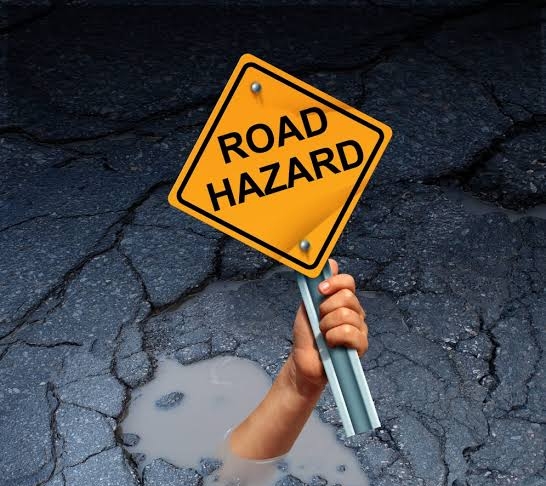
Road hazards are an omnipresent aspect of daily life for motorists, posing a constant challenge to safe and efficient transportation.
Understanding these hazards is crucial for drivers to navigate roads securely.
This article delves into various types of road hazards, their causes, and practical tips for minimizing risks.
1. Weather-Related Hazards
- Rain and Hydroplaning: Wet roads increase the likelihood of hydroplaning, where tires lose contact with the road surface. Reduced speed and properly inflated tires can mitigate this risk.
- Snow and Ice: Slippery conditions demand extra caution. Equipping vehicles with snow tires, using anti-lock brakes, and maintaining a safe following distance are essential in snowy or icy conditions.
2. Poor Road Conditions
- Potholes: Uneven road surfaces and potholes can damage vehicles and cause accidents. Drivers should stay vigilant, especially in poorly maintained areas, and report road damage to local authorities.
- Construction Zones: Altered traffic patterns, narrowed lanes, and unpredictable changes in road conditions in construction zones necessitate careful driving. Adhering to posted speed limits and following construction zone signage is vital.
3. Traffic-Related Hazards
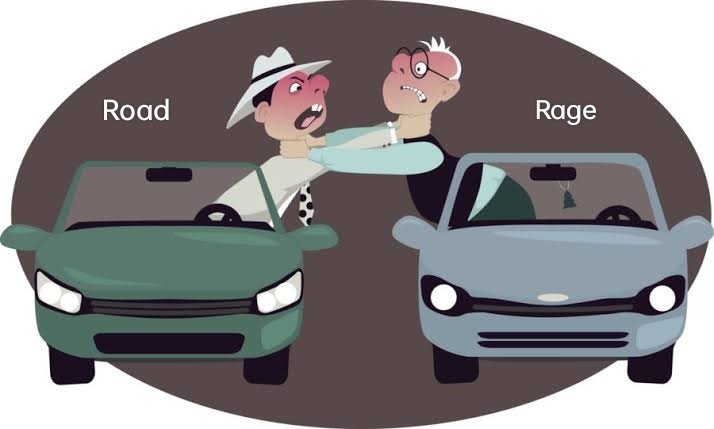
- Congestion and Traffic Jams: Heavy traffic can lead to frustration and impatience. Drivers should remain calm, maintain a safe distance, and avoid aggressive behaviors to prevent accidents.
- Reckless Driving: Speeding, aggressive maneuvers, and failure to obey traffic rules contribute to hazardous road conditions. Defensive driving practices can help mitigate risks associated with reckless driving.
4. Environmental Hazards
- Wildlife Crossings: Rural areas may pose the risk of encountering wildlife on the road. Reduced speed in designated wildlife zones and heightened awareness can prevent collisions with animals.
- Natural Disasters: Earthquakes, floods, and landslides can create sudden road hazards. Staying informed about weather conditions and emergency evacuation routes is crucial in disaster-prone regions.
5. Human Factors
- Distracted Driving: Smartphones and other distractions contribute to accidents. Drivers should refrain from using mobile devices while driving and remain focused on the road.
- Fatigue: Drowsy driving can impair reaction times. Taking breaks during long journeys and getting adequate sleep are essential to prevent fatigue-related hazards.
6. Vehicle-Related Hazards
- Mechanical Failures: Poorly maintained vehicles can experience mechanical failures, leading to accidents. Regular vehicle maintenance and pre-trip inspections are vital for road safety.
- Tire Blowouts: Underinflated or worn-out tires increase the risk of blowouts. Regularly checking tire pressure and tread, along with avoiding overloading, helps prevent this hazard.
In conclusion, navigating the road safely requires a thorough understanding of the diverse hazards that drivers may encounter.
By being aware of weather conditions, maintaining vehicles, and adopting defensive driving practices, motorists can contribute to a safer road environment for themselves and others.
Regular updates on road conditions and compliance with traffic rules are essential elements in ensuring a secure journey on the ever-changing roadways.






Five Die as Truck, Car Collide on Badagry Expressway

Two Killed as Trucks Collide, Burst Into Flames on Anambra Road

Stakeholders Raise Alarm Over Safety Gaps in Nigeria’s CNG and Electric Vehicle Transition

Female Driver Dies in Tragic Road Crash at Mongoro, Ile-Zik Area of Lagos

Physically Challenged Beggar Killed in Multi-Vehicle Crash on Lagos-Ibadan Expressway

Court Bars FRSC Officials From State Roads

24 Pupils Killed in Tragic Bus Crash During School Excursion in Uganda

Tyre Blowouts on Heavy Trucks

BYD Seal EV: Can It Challenge Traditional Sedans?

Colorado to Strengthen Driver Education Requirements

Slow Down: Man got his Family Killed by neglecting road signs

Which Bridge is the Tallest in the World?
Impatient Driving Cause Road Accident
How Roads are Constructed on the Mountain

Texas, USA suffers heavy flooding