
Articles
How Weather Conditions Affect Driving and Road Safety

Weather is one of the most significant factors influencing road safety. Whether it is heavy rainfall, thick fog, strong winds, or extreme heat, changing weather conditions can quickly turn a routine journey into a dangerous experience.
In Nigeria, where seasonal weather patterns vary widely across regions, drivers must understand how the environment affects their vehicles and driving behaviour.
Every year, adverse weather contributes to numerous road crashes by:
- Reducing visibility
- Affecting vehicle performance
- Increasing driver fatigue.
Understanding these risks and adopting safe driving habits can save lives.
Rain and Wet Roads
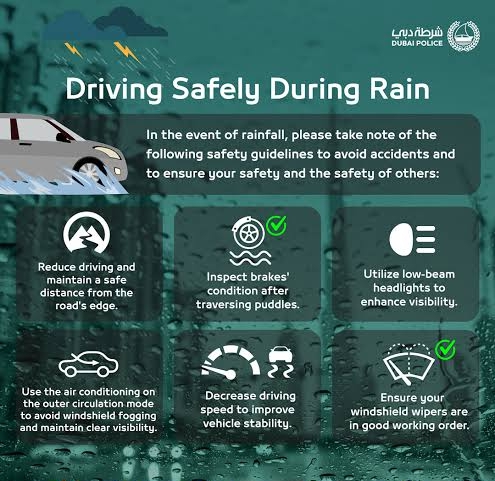
Rain is among the leading weather-related causes of road crashes. Wet roads reduce tyre grip, making it difficult for vehicles to stop quickly.
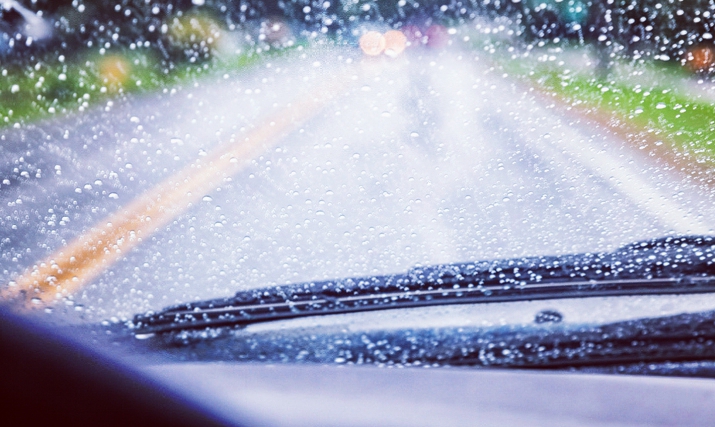
Heavy rainfall also limits visibility, making it harder for drivers to see road signs, pedestrians, motorcycles, and other vehicles.
Another major danger is hydroplaning, which occurs when tyres lose contact with the road surface due to standing water. During hydroplaning, drivers temporarily lose steering and braking control.
Safety Tips:
- Reduce speed significantly.
- Increase following distance.
- Switch on headlights.
- Avoid sudden braking or sharp turns.
- Ensure tyres have adequate tread depth.
Fog and Reduced Visibility
Fog is particularly dangerous because it drastically limits how far drivers can see ahead. This increases the likelihood of rear-end collisions and makes overtaking extremely risky.
Drivers often make the mistake of using high-beam headlights during fog, which reflects light back and worsens visibility.
Safety Tips:
- Use low-beam or fog lights.
- Drive slowly and cautiously.
- Follow road markings instead of vehicle lights ahead.
- Avoid unnecessary overtaking.
Strong Winds
High winds can affect vehicle stability, especially for buses, trucks, trailers, and SUVs.
Crosswinds may push vehicles into adjacent lanes, while flying debris can create sudden hazards.
Drivers should also exercise caution when passing large vehicles, as wind turbulence can affect steering.
Safety Tips:
- Keep both hands firmly on the steering wheel.
- Reduce speed.
- Be alert near bridges and open highways.
- Avoid parking under weak trees or unstable structures.
Extreme Heat
Nigeria’s dry season often brings intense heat, which affects both vehicles and drivers.
High temperatures can cause tyre blowouts, engine overheating, brake problems, and battery failure.
Long-distance drivers are also more likely to suffer dehydration and fatigue, reducing concentration behind the wheel.
Safety Tips:
- Check coolant and engine oil regularly.
- Inspect tyre pressure before travelling.
Stay hydrated. - Take regular breaks during long journeys.
Dust and Harmattan Conditions
During the Harmattan season, dust particles significantly reduce visibility across many parts of Nigeria. Dust can also clog air filters and affect engine performance.
Drivers should clean windscreens frequently and replace worn-out wiper blades before the season begins.
Flooded Roads
Flooding remains a major hazard during Nigeria’s rainy season. Floodwaters may conceal potholes, damaged bridges, or deep drainage channels capable of sweeping vehicles away.
Driving through flooded roads can also damage engines, electrical systems, and brakes.
Safety Tips:
- Never drive through floodwaters unless you are certain of the depth.
- Seek alternative routes whenever possible.
- Test brakes after passing through shallow water.
Vehicle Maintenance Matters
Weather-related accidents are often worsened by poor vehicle maintenance. Worn tyres, faulty brakes, damaged windscreen wipers, weak headlights, and poor battery condition all increase risk during adverse weather.
Routine inspections before long journeys help ensure vehicles remain roadworthy regardless of weather conditions.
Driver Behaviour Makes the Difference
While weather cannot be controlled, driver behaviour can. Speeding, distracted driving, fatigue, and aggressive manoeuvres become even more dangerous during poor weather.
Defensive driving, patience, and adherence to traffic regulations remain the most effective ways to reduce crash risks.
Conclusion
Weather conditions will always influence road safety, but informed drivers can minimise the risks through proper preparation, responsible driving, and regular vehicle maintenance.
As Nigeria continues to experience seasonal rainfall, Harmattan dust, and extreme temperatures, motorists must adapt their driving habits to changing conditions.
Road safety is a shared responsibility. By respecting weather warnings, maintaining vehicles, and exercising caution on the road, drivers can protect themselves, their passengers, and other road users.
RoadKing perspective
Before every journey, check the weather forecast, inspect your vehicle, and adjust your driving to suit road conditions. Arriving safely is always more important than arriving quickly.







Five Die as Truck, Car Collide on Badagry Expressway

Two Killed as Trucks Collide, Burst Into Flames on Anambra Road

Stakeholders Raise Alarm Over Safety Gaps in Nigeria’s CNG and Electric Vehicle Transition

Female Driver Dies in Tragic Road Crash at Mongoro, Ile-Zik Area of Lagos

Physically Challenged Beggar Killed in Multi-Vehicle Crash on Lagos-Ibadan Expressway

Court Bars FRSC Officials From State Roads

24 Pupils Killed in Tragic Bus Crash During School Excursion in Uganda

Tyre Blowouts on Heavy Trucks

BYD Seal EV: Can It Challenge Traditional Sedans?

Colorado to Strengthen Driver Education Requirements

Slow Down: Man got his Family Killed by neglecting road signs

Which Bridge is the Tallest in the World?
Impatient Driving Cause Road Accident
How Roads are Constructed on the Mountain

Texas, USA suffers heavy flooding