
Articles
Electric Scooter: alternative to fuel and congestion


In bustling urban landscapes, the roar of engines and the hum of tires are being complemented by a quieter, greener mode of transportation: electric scooter and bike-sharing programs.
As cities strive for sustainability and residents seek efficient ways to navigate their surroundings, these mobility solutions are poised to play an increasingly significant role.
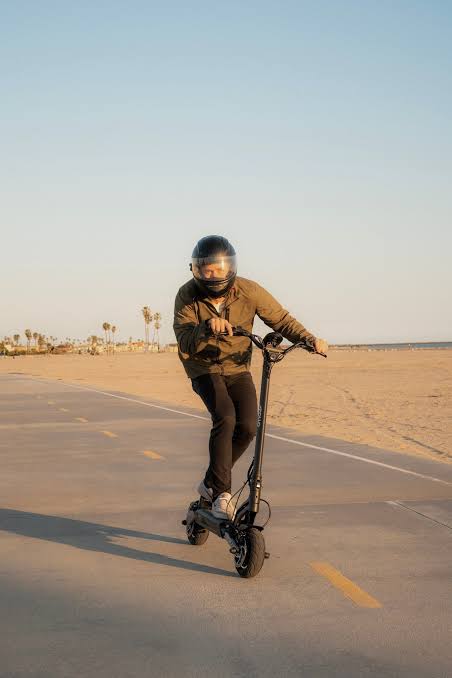
Let’s delve into the future of electric scooters and bike-sharing, exploring their potential, challenges, and the evolving landscape of urban mobility.
The Rise of Electric Scooters
Electric scooters have swiftly emerged as a popular choice for short-distance travel in urban areas.
Their compact size, ease of use, and environmentally friendly nature make them an attractive option for commuters and leisure riders alike.
With advancements in battery technology and the proliferation of sharing services, electric scooters have become more accessible and convenient than ever before.
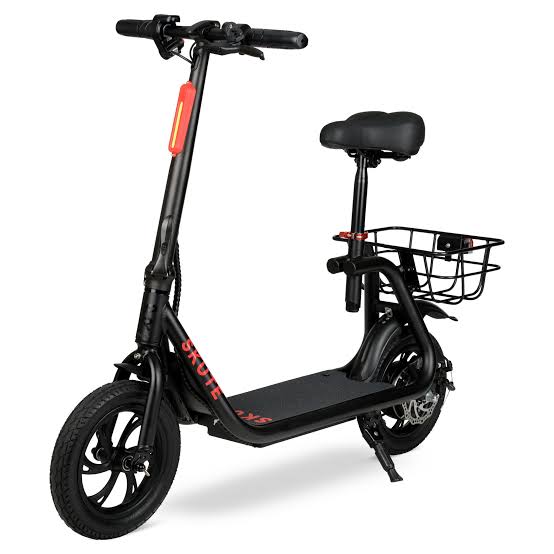
In the future, we can expect to see further innovation in electric scooter design, with improvements in battery life, range, and safety features.
Companies are investing in smart technologies to enhance user experience, such as integrated GPS navigation, theft prevention mechanisms, and real-time monitoring of scooter health.
Additionally, collaborative efforts between manufacturers, municipalities, and transportation authorities are likely to lead to better infrastructure and regulations, ensuring the safe and efficient integration of electric scooters into urban environments.
Bike-Sharing in the Digital Age
Bike-sharing programs have been transforming cityscapes around the world, offering a flexible and eco-friendly alternative to traditional modes of transportation.
With the advent of smartphone apps and IoT (Internet of Things) technology, bike-sharing has evolved into a seamless experience, allowing users to locate, unlock, and ride bicycles with ease.
Looking ahead, bike-sharing systems are poised to become even more sophisticated, incorporating AI algorithms to optimize bike distribution, predict demand, and identify maintenance needs.
Integration with public transit networks will enable seamless multimodal journeys, providing commuters with a comprehensive transportation solution.
Moreover, the electrification of bicycles, coupled with swappable battery stations, will further enhance the appeal and accessibility of bike-sharing, particularly for longer trips and hilly terrains.
Challenges and Opportunities
While the future of electric scooters and bike-sharing appears promising, several challenges must be addressed to realize their full potential.
Safety concerns, including accidents and pedestrian conflicts, remain a significant issue that requires proactive measures such as education campaigns, dedicated infrastructure, and improved vehicle design.
Furthermore, the sustainability of these mobility solutions depends on factors such as battery recycling, lifecycle emissions, and equitable access for all members of society.
Efforts to reduce the environmental footprint of electric scooters and bike-sharing must be accompanied by initiatives to ensure social equity and inclusion, particularly in underserved communities.
Despite these challenges, the future of electric scooters and bike-sharing holds immense promise for reshaping urban transportation.
By embracing innovation, collaboration, and sustainability, cities can create vibrant, interconnected ecosystems where people can move freely, safely, and sustainably.
In conclusion, electric scooters and bike-sharing represent more than just modes of transportation; they embody a vision of cities that are dynamic, inclusive, and environmentally conscious.
As we navigate the future of urban mobility, let us harness the power of innovation to create a world where getting from point A to point B is not only convenient but also a step towards a brighter, greener future.







Five Die as Truck, Car Collide on Badagry Expressway

Two Killed as Trucks Collide, Burst Into Flames on Anambra Road

Stakeholders Raise Alarm Over Safety Gaps in Nigeria’s CNG and Electric Vehicle Transition

Female Driver Dies in Tragic Road Crash at Mongoro, Ile-Zik Area of Lagos

Physically Challenged Beggar Killed in Multi-Vehicle Crash on Lagos-Ibadan Expressway

Court Bars FRSC Officials From State Roads

24 Pupils Killed in Tragic Bus Crash During School Excursion in Uganda

Tyre Blowouts on Heavy Trucks

BYD Seal EV: Can It Challenge Traditional Sedans?

Colorado to Strengthen Driver Education Requirements

Slow Down: Man got his Family Killed by neglecting road signs

Which Bridge is the Tallest in the World?
Impatient Driving Cause Road Accident
How Roads are Constructed on the Mountain

Texas, USA suffers heavy flooding