
Articles
The Dangers of Building or Trading Close to the Road

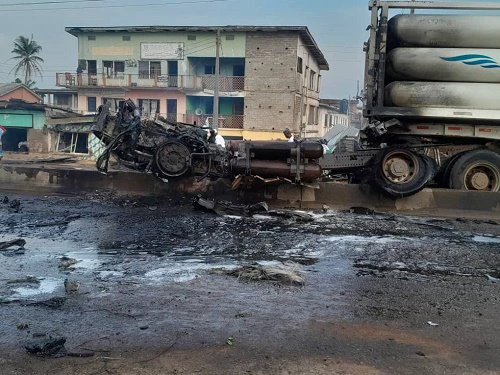
Building or trading close to the road is a common practice in many urban and rural areas, especially in developing countries.
However, this practice poses numerous dangers that can affect lives, businesses, and the environment. While proximity to the road may seem beneficial for easy access and business visibility, the risks often outweigh the advantages.
This article explores the dangers of building or trading close to the road, highlighting the impacts on human safety, property, and the environment.
1. Risk of Accidents
One of the most significant dangers of building or trading close to the road is the high risk of accidents. Roads, especially highways and busy streets, are prone to vehicular accidents. When buildings or trading stalls are constructed too close to the road, they expose occupants and traders to the danger of being hit by moving vehicles. Pedestrians, customers, and traders operating close to the road are more vulnerable to accidents, which can result in severe injuries or loss of life.
Additionally, drivers may lose control of their vehicles due to mechanical faults, overspeeding, or bad road conditions, potentially crashing into nearby structures or market stalls. This constant danger makes such locations highly unsafe for both traders and residents.
2. Noise and Air Pollution
Buildings or businesses located near roads are often exposed to high levels of noise and air pollution. The constant movement of vehicles, honking of horns, and road construction activities create a noisy environment that can affect the health and well-being of residents. Long-term exposure to noise pollution can cause stress, hearing problems, and sleep disturbances.
Air pollution from vehicle emissions can also have severe health consequences. The release of carbon monoxide, dust, and other pollutants can lead to respiratory problems, especially in children, the elderly, and people with pre-existing health conditions.
3. Violation of Building Regulations
In many regions, there are strict building regulations that prohibit constructing buildings or trading structures close to the road. Ignoring these regulations can result in legal actions, fines, or demolition of the property by the authorities. Such violations can lead to loss of investment and financial setbacks for both business owners and property developers.
Moreover, unauthorized trading along roadsides can contribute to congestion and disrupt the smooth flow of traffic. This often forces government authorities to clamp down on roadside traders, leaving them without a source of income.
4. Environmental Hazards
Trading or building close to the road can contribute to various environmental hazards. Drainage systems along roads are often blocked by waste generated from roadside trading activities. Improper waste disposal clogs drainage channels, leading to flooding during the rainy season. This can damage both public infrastructure and private property.
The constant human activities along the roadside also degrade the environment, leaving the area littered with plastic bags, food wrappers, and other waste materials.
5. Health Risks
Trading close to the road exposes traders and customers to health risks from dust, fumes, and toxic emissions from vehicles. Prolonged exposure to these pollutants can cause respiratory infections, skin diseases, and other health complications. Additionally, the lack of proper sanitation facilities near roadside trading points increases the risk of diseases such as cholera and typhoid.
6. Traffic Congestion
When businesses are set up close to the road, they contribute to traffic congestion. Shoppers and traders often block pedestrian walkways, forcing pedestrians to walk on the road. This not only endangers their lives but also reduces the flow of traffic, leading to unnecessary delays and increasing the risk of accidents.
7. Security Threats
Trading along roadsides exposes traders to security threats such as theft and harassment. With little or no security measures in place, roadside businesses are more vulnerable to criminals. Additionally, emergency services like ambulances and fire brigades may find it difficult to access areas blocked by roadside trading activities.
Conclusion
The dangers of building or trading close to the road far outweigh the short-term benefits of accessibility and visibility. The risks of accidents, pollution, legal violations, and health hazards make such locations unsuitable for human habitation and business operations. Governments, urban planners, and community leaders should enforce strict regulations to prevent the development of buildings and businesses too close to the road. Traders and property developers must prioritize safety, health, and environmental sustainability over temporary profits.
By understanding the dangers of building or trading close to the road, society can create safer, healthier, and more organized urban environments for everyone.






Five Die as Truck, Car Collide on Badagry Expressway

Two Killed as Trucks Collide, Burst Into Flames on Anambra Road

Stakeholders Raise Alarm Over Safety Gaps in Nigeria’s CNG and Electric Vehicle Transition

Female Driver Dies in Tragic Road Crash at Mongoro, Ile-Zik Area of Lagos

Physically Challenged Beggar Killed in Multi-Vehicle Crash on Lagos-Ibadan Expressway

Court Bars FRSC Officials From State Roads

24 Pupils Killed in Tragic Bus Crash During School Excursion in Uganda

Tyre Blowouts on Heavy Trucks

BYD Seal EV: Can It Challenge Traditional Sedans?

Colorado to Strengthen Driver Education Requirements
Two Killed as Trucks Collide, Burst Into Flames on Anambra Road
Five Die as Truck, Car Collide on Badagry Expressway

Slow Down: Man got his Family Killed by neglecting road signs

Which Bridge is the Tallest in the World?
Impatient Driving Cause Road Accident
How Roads are Constructed on the Mountain

Texas, USA suffers heavy flooding