
Articles
Road traffic safety: approach to reducing accidents and saving lives

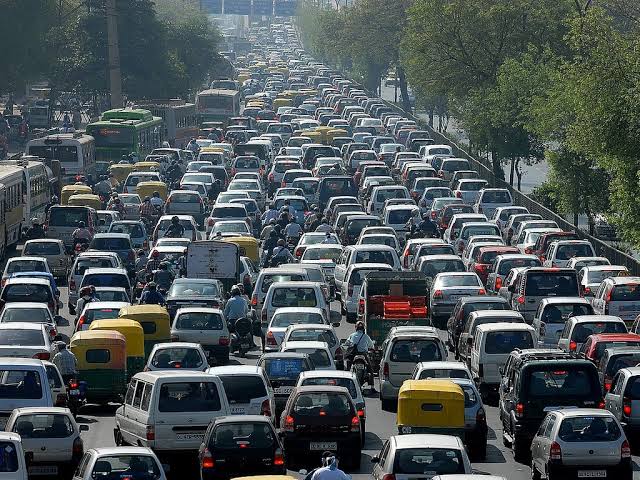
According to the World Health Organization (WHO), approximately 1.35 million people die annually as a result of road traffic accidents, making it one of the leading causes of death globally.
Road safety is a critical issue that affects millions of people worldwide every year.
These accidents not only result in loss of life but also cause serious injuries, disabilities, and economic losses.
However, with a concerted effort and a comprehensive approach, many of these accidents can be prevented.
In this article, we will explore various strategies and initiatives aimed at improving road safety and reducing accidents.
Education and Awareness
Education and awareness play a vital role in promoting road safety.
From an early age, individuals should be educated about the importance of following traffic rules, wearing seat belts, and avoiding distractions while driving or walking on the road.
Schools, community organizations, and government agencies can collaborate to develop educational programs and campaigns to instill safe behavior among children and adults alike.
Moreover, public awareness campaigns utilizing various media channels can reinforce messages about the dangers of speeding, drunk driving, and other risky behaviors on the road.
Enforcement of Traffic Laws
Strict enforcement of traffic laws is essential to deter violations and promote compliance with road safety regulations.
Law enforcement agencies should prioritize traffic enforcement activities, including speed control, DUI checkpoints, and seat belt patrols.
Automated enforcement technologies such as speed cameras and red-light cameras can also help in detecting and deterring traffic violations.
By ensuring that there are consequences for reckless behavior on the road, enforcement efforts can contribute significantly to reducing accidents and saving lives.
Infrastructure Improvements
Investments in road infrastructure are crucial for enhancing road safety.
Well-designed roads, intersections, and signage can minimize the risk of accidents and improve traffic flow.
Infrastructure improvements such as the installation of guardrails, rumble strips, and pedestrian crossings can provide additional protection for road users.
Furthermore, the implementation of traffic calming measures such as speed humps and roundabouts can reduce the incidence of speeding and collisions in residential areas and school zones.
By prioritizing safety in infrastructure planning and development, governments can create a safer environment for all road users.
Vehicle Safety Features
Advancements in vehicle technology have led to the development of various safety features designed to protect occupants and reduce the severity of accidents.
Anti-lock braking systems (ABS), electronic stability control (ESC), and airbags are standard safety features in modern vehicles that help prevent accidents and mitigate their impact.
Additionally, advanced driver assistance systems (ADAS) such as lane departure warning, adaptive cruise control, and automatic emergency braking can provide drivers with an extra layer of protection against common causes of accidents.
Encouraging the adoption of safer vehicles through regulations, incentives, and consumer education can significantly contribute to reducing road traffic injuries and fatalities.
Promotion of Sustainable Transportation
Encouraging the use of sustainable transportation modes such as walking, cycling, and public transit can have multiple benefits for road safety and public health.
By reducing the number of vehicles on the road, promoting active transportation options can lower the risk of accidents and alleviate traffic congestion.
Furthermore, initiatives to improve pedestrian and cyclist infrastructure, such as dedicated bike lanes and pedestrian-friendly crossings, can enhance safety for vulnerable road users.
Promoting sustainable transportation not only contributes to road safety but also helps reduce air pollution and greenhouse gas emissions, creating healthier and more livable communities.
In conclusion, road safety is a complex issue that requires a multifaceted approach involving education, enforcement, infrastructure improvements, vehicle safety enhancements, and promotion of sustainable transportation.
By addressing the various factors contributing to accidents, governments, communities, and individuals can work together to create safer roads and save lives.
It is essential to prioritize road safety as a public health and development issue and allocate resources accordingly to implement effective interventions.
Ultimately, by investing in road safety initiatives and fostering a culture of safe behavior on the road, we can make significant progress towards reducing accidents and ensuring that everyone can travel safely.







Five Die as Truck, Car Collide on Badagry Expressway

Two Killed as Trucks Collide, Burst Into Flames on Anambra Road

Stakeholders Raise Alarm Over Safety Gaps in Nigeria’s CNG and Electric Vehicle Transition

Female Driver Dies in Tragic Road Crash at Mongoro, Ile-Zik Area of Lagos

Physically Challenged Beggar Killed in Multi-Vehicle Crash on Lagos-Ibadan Expressway

Court Bars FRSC Officials From State Roads

24 Pupils Killed in Tragic Bus Crash During School Excursion in Uganda

Tyre Blowouts on Heavy Trucks

BYD Seal EV: Can It Challenge Traditional Sedans?

Colorado to Strengthen Driver Education Requirements

Slow Down: Man got his Family Killed by neglecting road signs

Which Bridge is the Tallest in the World?
Impatient Driving Cause Road Accident
How Roads are Constructed on the Mountain

Texas, USA suffers heavy flooding