
Articles
Why Regular Oil Changes Matter: Extending the Life of Your Car

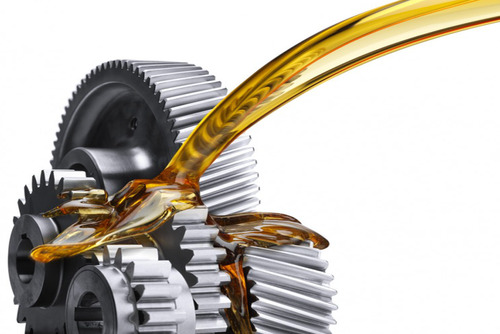
Regular oil changes are one of the simplest, yet most essential, aspects of car maintenance. Oil is the lifeblood of your vehicle’s engine, providing lubrication to minimize wear on moving parts, maintaining engine temperature, and protecting against dirt buildup.
Skipping or delaying oil changes can lead to a host of issues that can severely damage your engine, decrease fuel efficiency, and shorten the lifespan of your vehicle.
This article explores the importance of regular oil changes, how they benefit your engine, and the consequences of neglecting this critical task. Let’s dive into why consistent oil changes are vital for extending the life of your car.
1. Why Engine Oil is Crucial
Engine oil serves as a lubricant for the moving parts within an engine. Without proper lubrication, metal components would rub together, generating friction that leads to excessive wear and tear.
Oil reduces this friction, allowing parts to move smoothly and minimizing potential damage. Additionally, oil cools engine components, preventing overheating and helping the engine maintain an optimal operating temperature.
Engine oil also cleans and protects, as it collects dirt, metal particles, and other impurities that can accumulate in the engine over time.
As oil ages, it becomes thick, dirty, and loses its ability to effectively lubricate and cool. Regular oil changes are essential to ensure the oil maintains its properties and keeps the engine running smoothly.
2. Benefits of Regular Oil Changes
There are several direct benefits to changing your car’s oil consistently:
- Enhanced Engine Performance: Fresh oil improves engine performance by ensuring proper lubrication, which reduces friction and wear. This translates into smoother acceleration, a quieter engine, and a more responsive driving experience.
- Improved Fuel Efficiency: Clean oil reduces friction within the engine, allowing it to run efficiently. When the engine is well-lubricated, it requires less fuel to operate. Dirty oil, however, increases resistance, making the engine work harder and use more fuel.
- Extended Engine Lifespan: Regular oil changes remove dirt and debris that can cause internal damage. By keeping the engine clean and preventing corrosion, oil changes reduce the likelihood of breakdowns and extend the life of the engine.
- Reduced Emissions: Old, dirty oil contains hydrocarbons, which are harmful emissions. When oil is changed regularly, it minimizes these hydrocarbons, resulting in a cleaner engine and reduced emissions. Regular oil changes help maintain the health of your vehicle’s emissions system, contributing to a lower environmental impact.
- Protecting Engine Components: An engine has many critical parts that are subject to wear and tear, such as the crankshaft, camshaft, and pistons. Oil creates a barrier between these parts, reducing the risk of friction-related damage. Consistently fresh oil helps prolong the lifespan of these components, which would otherwise require expensive repairs or replacements.
3. Consequences of Skipping Oil Changes
Neglecting regular oil changes can have serious consequences, including:
- Increased Engine Wear: As oil ages, it loses its ability to lubricate effectively. This causes metal parts to grind against each other, leading to increased wear. Over time, this wear can cause components to degrade, resulting in reduced engine life and potentially costly repairs.
- Poor Fuel Efficiency: Thick, dirty oil causes more friction in the engine, making it work harder. This extra effort requires more fuel, reducing your vehicle’s fuel efficiency and costing you more at the pump.
- Overheating: Old oil loses its capacity to transfer heat effectively, which can cause the engine to overheat. Overheating damages engine parts and may lead to serious issues, such as a blown gasket or warped engine parts, which are costly to repair.
- Engine Sludge Buildup: When oil isn’t changed regularly, it can turn into a thick, sticky sludge that clogs engine parts and oil passages. Sludge impedes oil flow, which further increases engine wear and leads to reduced performance.
- Engine Failure: In extreme cases, neglecting oil changes can result in complete engine failure. Without proper lubrication, friction between parts generates heat, causing catastrophic damage that may necessitate a total engine replacement.
4. How Often Should You Change Your Oil?
The recommended frequency for oil changes varies depending on the type of vehicle, oil type, and driving conditions. Many experts suggest changing your oil every 3,000 to 5,000 miles if you use conventional oil.
Synthetic oils typically allow for longer intervals, around 7,500 to 10,000 miles. However, always refer to your vehicle’s owner manual for the manufacturer’s recommendations, as newer vehicles often have advanced engines designed to last longer between oil changes.
Factors that may necessitate more frequent oil changes include:
- Frequent short trips
- Stop-and-go traffic
- Extreme temperatures (hot or cold)
- Towing heavy loads
- Driving on dirt or dusty roads
If you experience any of these conditions regularly, consider changing your oil more often to ensure optimal performance.
5. Choosing the Right Type of Oil
Selecting the appropriate oil type is crucial for effective engine performance and longevity. Motor oils come in different viscosities and formulations, including conventional, synthetic, and synthetic blends.
- Conventional Oil: Best for low-mileage, older vehicles with simple engines. Conventional oil is more affordable but typically requires more frequent changes.
- Synthetic Oil: Synthetic oil is engineered for high-performance and long-lasting lubrication. It’s more effective in extreme temperatures and often lasts longer between changes, making it suitable for high-performance or newer engines.
- Synthetic Blend: A mix of conventional and synthetic oils, providing some of the benefits of both types. Synthetic blends are a good middle-ground for drivers who want better performance than conventional oil but at a lower cost than full synthetic.
Consult your owner’s manual or a trusted mechanic to determine the best oil for your car.
6. Signs Your Car Needs an Oil Change
Even if you’re tracking your mileage or following a maintenance schedule, there are signs that can indicate it’s time for an oil change:
- Check Engine or Oil Change Light: If either of these lights comes on, it’s a clear sign that the oil is low or degraded.
- Dark or Dirty Oil: Fresh oil is typically amber and translucent. As it ages, it darkens and collects particles. Check your oil regularly to see if it looks dirty or thick.
- Engine Noise or Knocking: If the oil level is low or old, engine parts may start grinding against each other, causing unusual noises.
- Exhaust Smoke: Excessive smoke from the exhaust can signal an oil-related problem, particularly if the oil level is low or has become dirty.
- Oil Smell Inside the Car: If you smell oil or something burning, it may indicate an oil leak or that the engine is running hot due to low oil.
Regular oil changes are essential to expanding the life of your car. By keeping the engine lubricated, clean, and protected, oil changes help prevent premature engine wear, improve fuel efficiency, and reduce the risk of costly repairs.
Understanding the importance of oil changes, choosing the right oil, and knowing the signs of when an oil change is needed can make a significant difference in the longevity and performance of your car.











Five Die as Truck, Car Collide on Badagry Expressway

Two Killed as Trucks Collide, Burst Into Flames on Anambra Road

Stakeholders Raise Alarm Over Safety Gaps in Nigeria’s CNG and Electric Vehicle Transition

Female Driver Dies in Tragic Road Crash at Mongoro, Ile-Zik Area of Lagos

Physically Challenged Beggar Killed in Multi-Vehicle Crash on Lagos-Ibadan Expressway

Court Bars FRSC Officials From State Roads

24 Pupils Killed in Tragic Bus Crash During School Excursion in Uganda

Tyre Blowouts on Heavy Trucks

BYD Seal EV: Can It Challenge Traditional Sedans?


