
Articles
How to Use Cruise Control Safely and Effectively

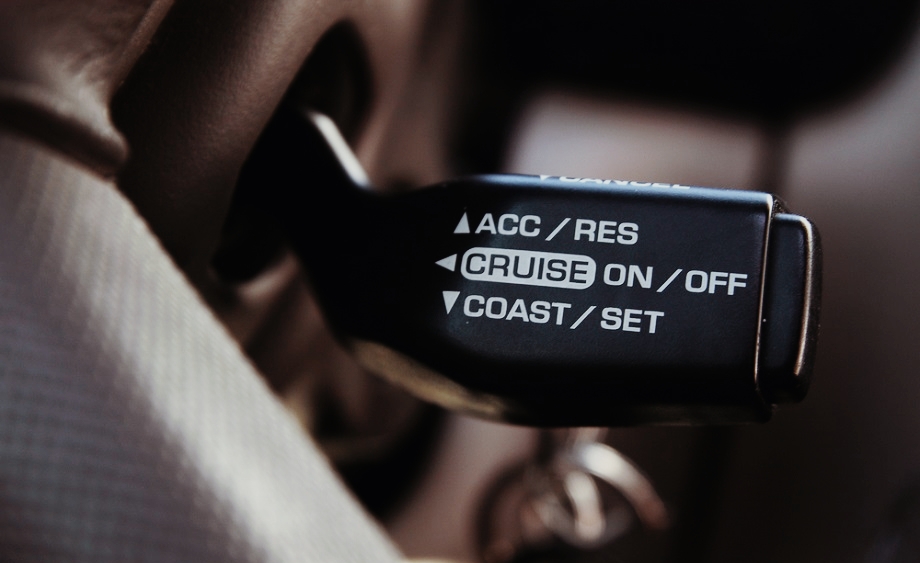
Cruise control is a common feature in modern vehicles, designed to enhance driving comfort, improve fuel efficiency, and reduce driver fatigue on long journeys.

Cruise control signs
While it’s a useful tool, using it safely and effectively requires knowledge of the system’s limitations and best practices.
This detailed guide explains how to use cruise control responsibly and maximize its benefits.
1. Understand How Cruise Control Works
Cruise control is a system that allows drivers to set and maintain a specific speed without needing to keep their foot on the accelerator.
Once activated, the system automatically adjusts the throttle to maintain the set speed, making long drives more comfortable.
In some cars, advanced versions like adaptive cruise control can also adjust the vehicle’s speed based on traffic conditions by monitoring the distance from the car ahead, automatically slowing down or speeding up as needed.
Before using cruise control, familiarize yourself with the specific controls in your vehicle, which are typically located on the steering wheel or steering column.
Make sure you understand how to turn the system on and off, how to adjust the speed, and how to disengage it in case of an emergency.
2. Use Cruise Control on Suitable Roads
Cruise control is designed for use on long, straight roads, particularly highways or freeways with little traffic and minimal need for frequent speed adjustments.
Using it on these types of roads can make long trips more relaxing and can help maintain a constant speed, contributing to better fuel efficiency.
However, you should avoid using cruise control on winding roads, in heavy traffic, or in inclement weather conditions such as rain, snow, or ice. Cruise control can be dangerous in these situations because it might not react quickly enough to changes in road conditions, traffic speed, or curves in the road.
3. Know When to Turn Off Cruise Control
There are several scenarios where it’s essential to turn off cruise control and take full control of the vehicle:
- In heavy traffic: Cruise control is not designed for stop-and-go traffic. You need to be able to adjust your speed quickly and frequently, which the system may not handle effectively.
- On steep hills: When going uphill or downhill, cruise control may struggle to maintain a steady speed, leading to excessive braking or acceleration. When driving downhill, the system may let the vehicle gain too much speed, requiring frequent manual braking.
- During inclement weather: As mentioned, slippery road conditions reduce the tires’ grip, and using cruise control can be hazardous because it may not react appropriately to road slippage. Always turn off cruise control in rainy, icy, or snowy conditions to prevent loss of vehicle control.
- In construction zones: These areas often require sudden stops, lane changes, or speed adjustments. Turn off cruise control to maintain complete control over the vehicle.
4. Set a Safe Speed
When using cruise control, always set a speed that is safe for the road conditions and speed limits.
Never set the speed too high, especially in areas where you may encounter traffic or need to slow down frequently.
Over-speeding with cruise control can lead to accidents if you don’t react quickly enough to road changes.
Additionally, pay attention to speed limit changes. Cruise control doesn’t automatically adjust to new speed limits, so if you pass into a zone with a lower limit, reduce your cruise control speed manually.
5. Stay Engaged and Alert
Cruise control is a convenience feature, but it’s not a substitute for attentive driving. You should always remain fully engaged with the driving process.
Never take your hands off the steering wheel while using cruise control, and keep an eye on the road at all times. If you notice traffic conditions changing or foresee a need to slow down, be ready to disengage cruise control quickly.
Advanced systems, like adaptive cruise control, may give drivers a false sense of security. Even though adaptive cruise control can adjust the car’s speed based on traffic, it’s still crucial to remain vigilant, as the system may not always detect sudden stops, small objects, or vehicles cutting in quickly.
6. Know How to Cancel or Disengage Cruise Control
Every vehicle has different controls for cruise control, but there are typically three common ways to disengage it:
- Pressing the brake pedal: In most vehicles, simply tapping the brake pedal will cancel cruise control immediately, giving you back full control of the car’s speed.
- Using the “cancel” button: Many systems have a dedicated “cancel” button that deactivates cruise control without braking.
- Pressing the off button: Most cruise control systems have an “off” or “on/off” button that will completely shut off the system.
It’s crucial to know how to cancel cruise control quickly in case of an emergency or when road conditions change.
7. Utilize Adaptive Cruise Control (if available)
If your vehicle is equipped with adaptive cruise control, take the time to understand its features. Adaptive cruise control automatically adjusts your speed based on the traffic ahead, making it useful in light to moderate traffic conditions.
While adaptive cruise control offers an extra layer of convenience and safety, it’s important not to rely on it completely.
Always remain ready to take over, as the system may not react to every situation, such as sudden braking or vehicles cutting in sharply.
8. Cruise Control and Fuel Efficiency
One of the significant benefits of cruise control is its ability to improve fuel efficiency.
By maintaining a constant speed, cruise control helps avoid the rapid acceleration and deceleration that can burn extra fuel. On long highway trips, this can translate into noticeable fuel savings.
However, if you’re driving in areas with frequent speed changes or hills, manually adjusting your speed is often more fuel-efficient than using cruise control.
When used correctly, cruise control can make long drives more comfortable, reduce driver fatigue, and improve fuel efficiency.
However, it’s essential to use it safely and effectively by setting appropriate speeds, staying alert, and knowing when to turn it off.
Avoid using cruise control in unsafe conditions such as heavy traffic, steep hills, or bad weather. With the right approach, you can enjoy the benefits of cruise control without compromising your safety or the safety of others on the road.







Stakeholders Raise Alarm Over Safety Gaps in Nigeria’s CNG and Electric Vehicle Transition

Female Driver Dies in Tragic Road Crash at Mongoro, Ile-Zik Area of Lagos

Physically Challenged Beggar Killed in Multi-Vehicle Crash on Lagos-Ibadan Expressway

Court Bars FRSC Officials From State Roads

24 Pupils Killed in Tragic Bus Crash During School Excursion in Uganda

Tyre Blowouts on Heavy Trucks

BYD Seal EV: Can It Challenge Traditional Sedans?

Colorado to Strengthen Driver Education Requirements

2026 Hyundai Ioniq 5 N Gets Major Price Cut, Boosting Performance Value

FG Renames Lagos-Calabar Coastal Highway in Landmark Move

Slow Down: Man got his Family Killed by neglecting road signs

Which Bridge is the Tallest in the World?
Impatient Driving Cause Road Accident
How Roads are Constructed on the Mountain

Texas, USA suffers heavy flooding