
Car/Vehicle Maintenance
Car Oil Leakage: Causes, Symptoms, and Solutions

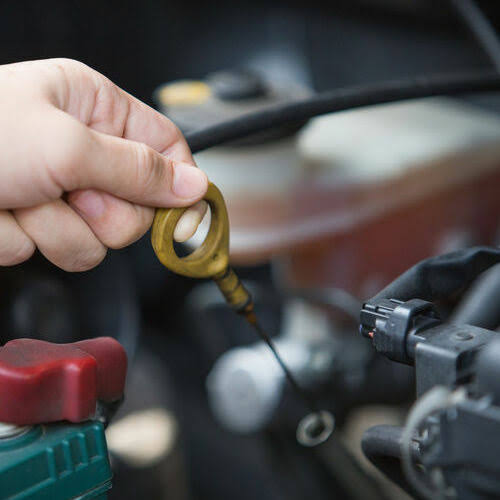
Car oil leakage is a common issue that many vehicle owners may encounter at some point in their vehicle’s lifespan.
It can be caused by various factors and can lead to serious consequences if not addressed promptly.
In this article, we will explore the causes, symptoms, and solutions for car oil leakage to help drivers better understand and manage this common automotive concern.
Causes of Car Oil Leakage
1. Worn Gaskets and Seals
Over time, the gaskets and seals in a car’s engine may degrade due to exposure to heat and pressure, leading to oil leaks.
Common areas for gasket and seal failures include the valve cover, oil pan, and front or rear main seals.
2. Loose or Damaged Oil Drain Plug
The oil drain plug is a crucial component for maintaining the integrity of the oil system. If it becomes loose or damaged, it can result in oil leakage.
3. Faulty Oil Filter
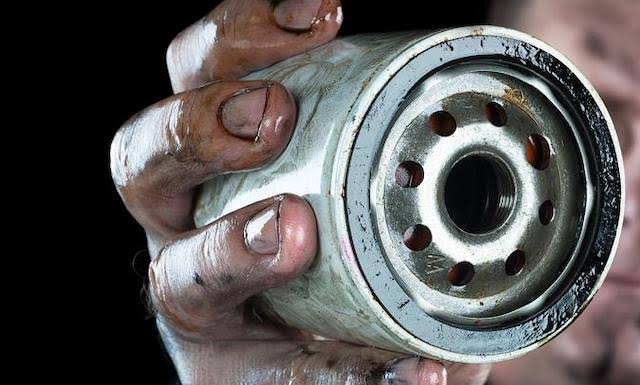
A damaged or incorrectly installed oil filter can also contribute to oil leakage. It’s essential to use high-quality filters and ensure they are properly seated during installation.
4. Cracked Oil Pan
The oil pan, located beneath the engine, can develop cracks due to road debris, corrosion, or impacts. A cracked oil pan can lead to significant oil loss.
5. Engine Component Wear
Wear and tear on engine components, such as piston rings and cylinder walls, can lead to increased oil consumption and potential leaks.
Symptoms of Car Oil Leakage
1. Visible Oil Puddles
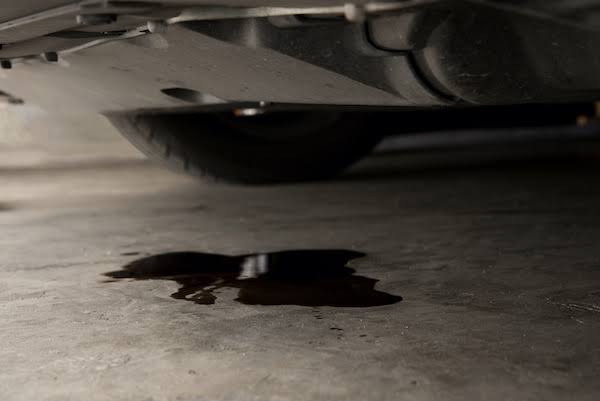
One of the most apparent signs of an oil leak is the presence of oil puddles beneath the vehicle when parked.
2. Low Oil Levels
Regularly checking the oil levels on the dipstick can help identify potential leaks. A sudden drop in oil levels may indicate a leak.
3. Burning Smell
Oil leaking onto hot engine components can result in a distinct burning smell. If you notice a persistent odor, it’s crucial to investigate the source promptly.
4. Engine Overheating
Insufficient oil levels can lead to poor lubrication, causing the engine to overheat. Monitoring the engine temperature can help identify potential issues.
Solutions for Car Oil Leakage
1. Regular Maintenance
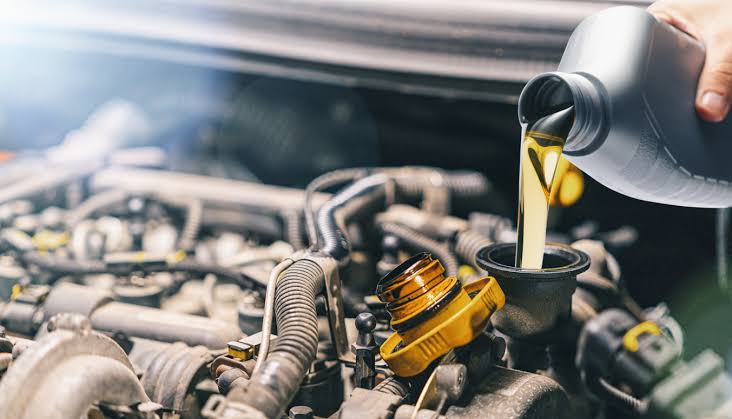
Scheduled maintenance, including oil changes and inspections, can help identify potential issues before they lead to significant leaks.
2. Gasket and Seal Replacement
If gaskets or seals are identified as the source of the leak, replacing them during regular maintenance can prevent further issues.
3. Tightening or Replacement of Drain Plug
Ensuring the oil drain plug is properly tightened or replacing it if damaged can prevent leaks.
4. Inspect and Repair Oil Pan
Regularly inspecting the oil pan for damage and promptly addressing any cracks or corrosion can prevent oil leakage.
5. Addressing Engine Wear
If excessive wear is identified during inspections, addressing the underlying engine issues can help reduce oil consumption and leakage.
In conclusion, car oil leakage is a common and potentially serious issue that requires prompt attention.
By understanding the causes, recognizing symptoms, and implementing appropriate solutions, vehicle owners can maintain the health and longevity of their engines, ensuring a smooth and trouble-free driving experience.
Regular maintenance and proactive identification of potential issues are key to preventing and addressing car oil leakage effectively.


Five Die as Truck, Car Collide on Badagry Expressway

Two Killed as Trucks Collide, Burst Into Flames on Anambra Road

Stakeholders Raise Alarm Over Safety Gaps in Nigeria’s CNG and Electric Vehicle Transition

Female Driver Dies in Tragic Road Crash at Mongoro, Ile-Zik Area of Lagos

Physically Challenged Beggar Killed in Multi-Vehicle Crash on Lagos-Ibadan Expressway

Court Bars FRSC Officials From State Roads

24 Pupils Killed in Tragic Bus Crash During School Excursion in Uganda

Tyre Blowouts on Heavy Trucks

BYD Seal EV: Can It Challenge Traditional Sedans?

Colorado to Strengthen Driver Education Requirements

Slow Down: Man got his Family Killed by neglecting road signs

Which Bridge is the Tallest in the World?
Impatient Driving Cause Road Accident
How Roads are Constructed on the Mountain

Texas, USA suffers heavy flooding