
Car/Vehicle Maintenance
Is it okay to topup oil into a hot Engine?

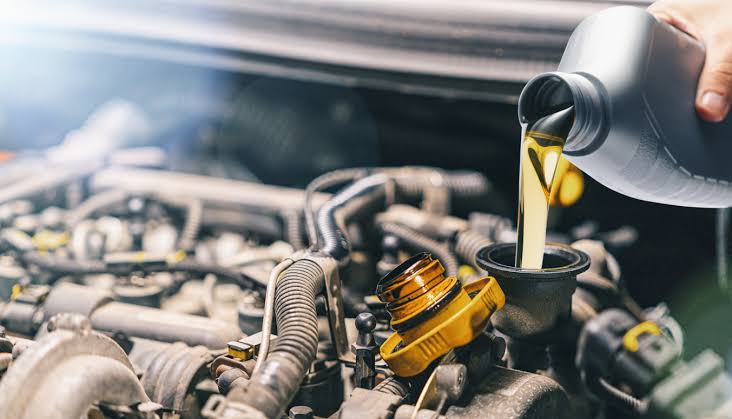
Adding oil to a hot engine is generally not recommended due to several reasons that can adversely affect the engine’s performance and longevity.
It’s crucial to understand the potential risks associated with this practice;
Thermal Expansion
Engines heat up during operation, causing the various components, including the oil, to expand.
If you add oil to a hot engine, the existing oil may be at an elevated temperature, leading to inaccurate oil level readings.
This could result in overfilling, potentially causing damage to engine seals and other components.
Oil Viscosity
Oil viscosity changes with temperature. Hot oil is thinner than cold oil, and adding oil to a hot engine might not provide accurate viscosity levels.
The viscosity of the oil is essential for proper lubrication, and an incorrect viscosity could lead to inadequate lubrication, increased friction, and potential engine damage.
Splashing and Burns
Pouring oil into a hot engine can cause splashing due to the elevated temperatures.
This splashing can lead to accidental spills, resulting in burns to the person adding the oil.
Safety should always be a top priority, and adding oil to a hot engine increases the risk of injuries.
Cooling System
Oil plays a crucial role in cooling the engine. It absorbs heat generated during combustion and helps dissipate it.
Adding oil to a hot engine might disrupt this cooling process, potentially leading to increased temperatures and a higher risk of overheating.
Recommendations
1. Wait for Engine Cool Down
It is advisable to wait for the engine to cool down before adding oil. This ensures accurate oil level measurements and minimizes the risk of splashing.
2. Follow Manufacturer Guidelines
Always adhere to the vehicle manufacturer’s recommendations regarding oil change intervals and procedures. These guidelines are designed to optimize engine performance and longevity.
3. Use the Right Oil
Ensure that you use the recommended type and viscosity of oil for your specific engine. Using the wrong oil can compromise lubrication and lead to engine problems.
4. Safety Precautions
Take appropriate safety precautions, including wearing protective gear and using a funnel to minimize spills. Be cautious of hot engine components and surfaces.
In conclusion, while it may be tempting to add oil to a hot engine for convenience, the potential risks associated with this practice far outweigh any perceived benefits.
It’s crucial to prioritize safety and follow recommended procedures to maintain the health and performance of your engine.




Five Die as Truck, Car Collide on Badagry Expressway

Two Killed as Trucks Collide, Burst Into Flames on Anambra Road

Stakeholders Raise Alarm Over Safety Gaps in Nigeria’s CNG and Electric Vehicle Transition

Female Driver Dies in Tragic Road Crash at Mongoro, Ile-Zik Area of Lagos

Physically Challenged Beggar Killed in Multi-Vehicle Crash on Lagos-Ibadan Expressway

Court Bars FRSC Officials From State Roads

24 Pupils Killed in Tragic Bus Crash During School Excursion in Uganda

Tyre Blowouts on Heavy Trucks

BYD Seal EV: Can It Challenge Traditional Sedans?

Colorado to Strengthen Driver Education Requirements

Slow Down: Man got his Family Killed by neglecting road signs

Which Bridge is the Tallest in the World?
Impatient Driving Cause Road Accident
How Roads are Constructed on the Mountain

Texas, USA suffers heavy flooding