
Car/Vehicle Maintenance
How to Replace Your Car’s Air Filters

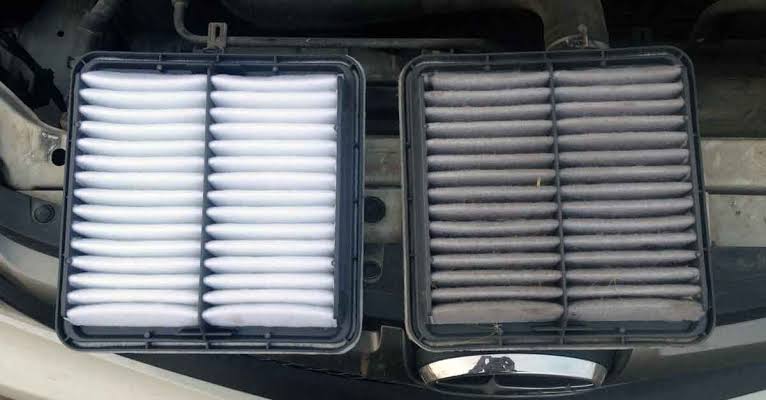
The air filter in your car plays a crucial role in maintaining the health and efficiency of your engine.
Over time, air filters can become clogged with dirt and debris, hindering airflow and reducing performance.
Replacing your air filter is a simple and cost-effective maintenance task that can be done with basic tools.
Here’s a step-by-step guide to help you replace your car’s air filter.
Tools and Materials
1. New Air Filter: Ensure you purchase the correct filter for your car model. Refer to your vehicle’s manual or consult with an auto parts store.
2. Owner’s Manual: Always refer to your car’s owner’s manual for specific instructions and information.
3. Screwdriver or Wrench: Depending on your car model, you may need a screwdriver or wrench to loosen clamps or screws.
Step 1: Locate the Air Filter Housing
The air filter is typically housed in a rectangular or circular plastic box under the hood. Refer to your owner’s manual to find the exact location.
Step 2: Open the Air Filter Housing
Use a screwdriver or wrench to loosen the screws or clamps securing the housing. Carefully lift the lid or remove any clips to access the old air filter.
Step 3: Remove the Old Air Filter
Take out the old air filter from the housing. Pay attention to how it is positioned, ensuring you install the new one correctly.
Step 4: Inspect the Housing
While the housing is open, inspect it for any debris or dirt. Clean the housing if necessary, ensuring no contaminants are left behind.
Step 5: Install the New Air Filter
Place the new air filter into the housing, matching the orientation of the old one. Ensure it fits snugly, and the edges are properly sealed.
Step 6: Close the Air Filter Housing
Carefully close the lid or secure the housing with clamps or screws. Make sure it is tightly sealed to prevent unfiltered air from entering the engine.
Step 7: Secure Clamps or Screws
If you used clamps or screws to open the housing, secure them tightly to ensure the air filter is securely in place.
Step 8: Check for Proper Fit
Ensure that the air filter is securely installed, and there are no gaps or loose connections. A proper fit is crucial for the filter to function effectively.
Step 9: Dispose of the Old Air Filter
Properly dispose of the old air filter according to your local regulations. Some auto parts stores may accept used filters for recycling.
Step 10: Document the Replacement
Note the date of the air filter replacement in your car’s maintenance records. This helps you keep track of when the next replacement is due.
By following these simple steps, you can easily replace your car’s air filter and contribute to the overall health and efficiency of your vehicle.
Regular air filter maintenance is a small investment that can lead to improved fuel efficiency and prolonged engine life.












Five Die as Truck, Car Collide on Badagry Expressway

Two Killed as Trucks Collide, Burst Into Flames on Anambra Road

Stakeholders Raise Alarm Over Safety Gaps in Nigeria’s CNG and Electric Vehicle Transition

Female Driver Dies in Tragic Road Crash at Mongoro, Ile-Zik Area of Lagos

Physically Challenged Beggar Killed in Multi-Vehicle Crash on Lagos-Ibadan Expressway

Court Bars FRSC Officials From State Roads

24 Pupils Killed in Tragic Bus Crash During School Excursion in Uganda

Tyre Blowouts on Heavy Trucks

BYD Seal EV: Can It Challenge Traditional Sedans?

Colorado to Strengthen Driver Education Requirements

Slow Down: Man got his Family Killed by neglecting road signs

Which Bridge is the Tallest in the World?
Impatient Driving Cause Road Accident
How Roads are Constructed on the Mountain

Texas, USA suffers heavy flooding