
Driver Training
Safe following distance: Tips for Drivers


Safe following distance is a fundamental element of defensive driving, crucial for preventing accidents and ensuring road safety.
Maintaining a safe following distance is another crucial aspect of defensive driving many drivers take for granted.
Drivers who maintain an appropriate distance between their vehicle and the one in front of them significantly reduce the risk of collisions.
In this article, Roadking.ng will explore the importance of safe following distance and provide practical tips for drivers to incorporate into their daily routines.
The Importance of Safe Following Distance
1. Reaction Time
- A sufficient following distance allows drivers more time to react to sudden changes in traffic conditions or unexpected events.
- Reaction time is a critical factor in avoiding collisions, and maintaining a safe distance provides the necessary seconds to respond appropriately.
2. Visibility
- A proper following distance enhances visibility, reducing the chances of being caught off guard by sudden stops or obstacles.
- It allows for a clear line of sight, enabling drivers to anticipate potential hazards and navigate the road more effectively.
3. Braking Distance
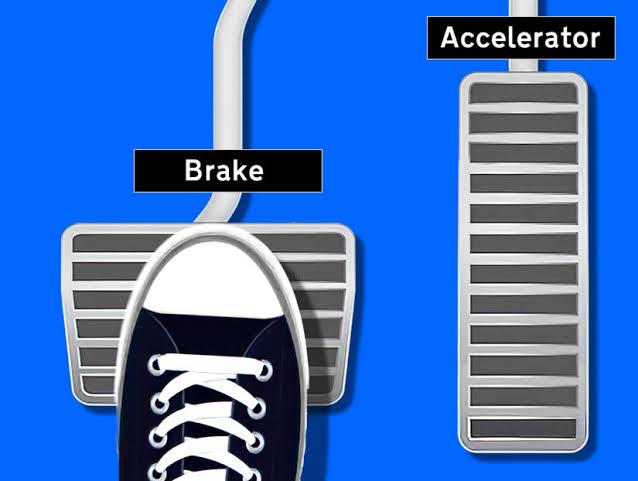
- Maintaining distance ensures that there is enough space to brake gradually, preventing abrupt stops that can lead to rear-end collisions.
- Adequate braking distance is particularly essential in adverse weather conditions or on slippery surfaces.
Tips for Maintaining Safe Following Distance
1. Use the Three-Second Rule
- Adhere to the three-second rule, which involves choosing a fixed point ahead and ensuring there are at least three seconds between your vehicle and the one in front.
- Adjust this distance based on weather conditions, road conditions, and your vehicle’s speed.
2. Increase Following Distance in Adverse Conditions
- Double or triple your following distance in adverse weather conditions such as rain, snow, or fog.
- Reduced visibility and slippery roads require additional time to react and stop safely.
3. Be Mindful of Large Vehicles
- Increase following distance when driving behind large vehicles like trucks or buses.
- These vehicles have longer stopping distances, and maintaining a safe distance mitigates the risk of being involved in a rear-end collision.
4. Avoid Tailgating
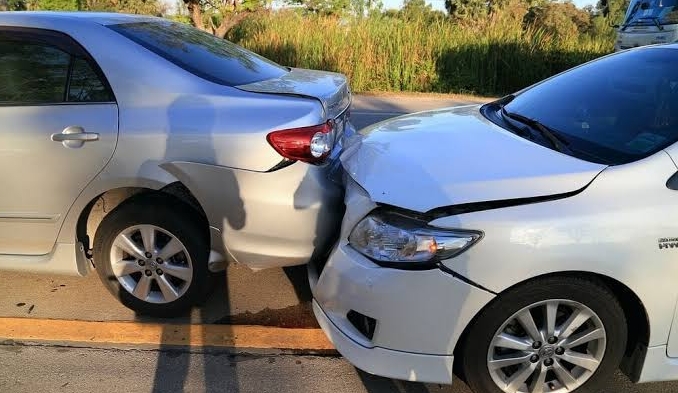
- Tailgating, or driving too closely to the vehicle in front, is a common cause of accidents.
- Stay at a comfortable distance to allow for sudden stops without endangering yourself or others.
5. Use Landmarks for Reference
Utilize landmarks or road signs to gauge your following distance, making it easier to maintain a safe gap in various driving situations.
In conclusion, maintaining a safe following distance is a fundamental aspect of responsible and defensive driving.
By adhering to the three-second rule, adjusting distance based on conditions, and being mindful of other road users, drivers can significantly contribute to overall road safety.
Prioritizing a safe following distance not only reduces the risk of accidents but also promotes a more relaxed and stress-free driving experience for everyone on the road.






Four Injured as Commercial Bus Plunges Into Ditch in Ojodu

Driver Injured After Crashing Into Trees on Hwy 59 Near FM 1314 in Texas

Truck Kills Minor, Two Others in Ogun Expressway Crash Near Abeokuta
11 Killed in Kalyan–Murbad Highway Crash as Taxi Collides with Cement Truck

Fuel Tanker Driver Caught Siphoning Fuel Near Bangui Airport

Major Crash Causes Traffic Gridlock on I-37 San Antonio

Bus Driver Killed, 9 Injured in Highway Crash in Tamil Nadu, India
3 Teenagers Killed in Florida Crash After Vehicle Veers Off Road

Driver Pinned Under Overturned Vehicle in Bunnlevel Crash

Four Teenagers Shot in Atlanta Neighborhood, Police Launch Investigation

Slow Down: Man got his Family Killed by neglecting road signs

Which Bridge is the Tallest in the World?
Impatient Driving Cause Road Accident
How Roads are Constructed on the Mountain

Texas, USA suffers heavy flooding