
Roads & Governance / Infrastructure Policy
Six States in Nigeria With the Best Road Networks


Despite Nigeria’s ongoing struggle with bad roads, there are states making significant progress. From well-maintained urban roads to good feeder systems, some states are setting standards others can follow.

Also Read: The Most Dangerous States in Nigeria to Travel to Right Now
In this article, RoadKing.ng examines which states have the best road networks in Nigeria, what makes them stand out, and the lessons others can learn.
What We Mean by “Best Road Network”
To assess what makes a road network “the best”, we considered:
- Quality of road surface (smoothness, minimal potholes)
- Connectivity (linking rural areas to urban centers, markets, cities)
- Maintenance (regular repairs, drainage, signage, lighting)
- Traffic management (flyovers, interchanges, planning)
- Safety (good alignment, proper road markings, less accident‐prone)
States Recognized for Having Good Road Networks
Based on recent rankings (2024–2025), several states stand out repeatedly for road infrastructure.
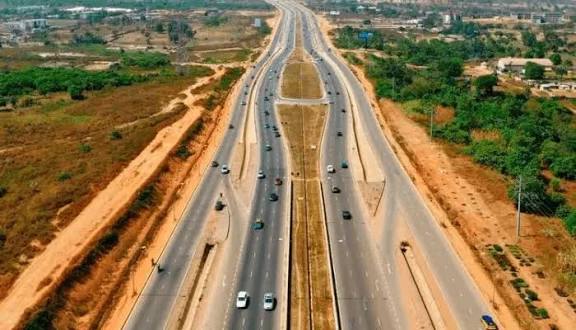
According to rankings by “Top 10 States with Good Road Networks in Nigeria” (2024), and similar lists from AfNews, News360, Nigerian Queries, among others, the following states feature prominently: Abuja (FCT), Akwa Ibom, Lagos, Ebonyi, Ogun, Kano, Oyo, Enugu, Rivers, and Cross River.
Case Studies: What These States Are Doing Right
1. Jigawa State
- Governor Umar Namadi claims that Jigawa is “number one in Nigeria in terms of road networks,” citing a World Bank confirmation.
- The state inherited ~320 km of roads, and has completed 25 out of 26 projects. More than 970 km of new roads have been awarded under current administration. Effective rural feeder road construction is a highlight.
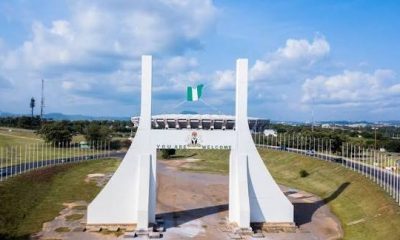
2. Abuja / Federal Capital Territory (FCT)
- Often cited as having one of the most well-planned road systems: Shehu Shagari Way, Nnamdi Azikiwe Expressway, Airport Road, etc.
- The road network is laid out with planning in mind: decent dual carriageways, good drainage, relatively frequent maintenance — though challenges persist.
3. Akwa Ibom State
- Known for clean, organized road systems. Some of the good roads include Uyo-Ikot Ekpene, Eket-Etinan, etc.
- Emphasis on rural connectivity has improved economic activity across communities.
4. Lagos State
- As the economic hub, Lagos has significant demand and capacity. Major roads such as Lekki-Ikoyi Link, some flyovers, wide urban roads; though congestion remains a problem.
- Continuous investment in roads, though maintenance is always an ongoing battle.
5. Oyo State
- The state government is building roads like the 34.85 km Oyo-Iseyin Road, improving connectivity between towns.
- They are also investing in rural access roads and community network links.
6. Enugu State
- Enugu features in many rankings for having relatively good inter-town roads and expressway connections (e.g. Enugu-Port Harcourt, Enugu-Onitsha).
- The urban roads in Enugu are generally better paved and more maintained relative to many states in the Southeast.
What Still Holds Them Back (Challenges Even in “Best” States)
Even among these states, infrastructure gaps remain:
- Potholes & drainage issues: Especially after rainy seasons, roads degrade.
- Street lighting and safety: Many “good” roads suffer from poor lighting or lack of safety signage.
- Traffic congestion: In urban areas like Lagos and Abuja, even good roads get jammed, which strains road surfaces faster.
- Rural areas neglected: Many of the roads leading out of cities into rural zones still need serious work in many of these states.
Why These States Lead – Common Factors
From what we’ve gathered, here are common factors that help states do better:
- Strong political will & budget allocation for roads.
- Effective maintenance culture: Not just building new roads, but repairing old ones.
- Good governance and transparency: Contracts awarded, projects completed.
- Urban planning: Considering traffic flow, drainage, safety from the start.
- Public-private partnerships in some places.
Lessons for Other States
For states lagging behind, the following are essential:
- Prioritizing maintenance over just new projects.
- Ensuring road projects are completed and not abandoned.
- Investing in rural road access to connect communities and reduce travel times.
- Enforcing safety standards—proper signage, lighting, road markings.
- Transparency in contracting and monitoring of road works.
Conclusion
While no Nigerian state is perfect regarding roads, some are clearly doing better than others. Abuja (FCT), Jigawa, Akwa Ibom, Lagos, Oyo, Enugu, and several more are showing what can be done when political will, proper funding, and maintenance culture come together.
For Nigeria to truly improve overall road quality, these success stories must be scaled, emulated, and used as benchmarks. RoadKing.ng asserts that the best roads in Nigeria are not privileges of a few, they should be future of all.








11 Killed in Kalyan–Murbad Highway Crash as Taxi Collides with Cement Truck

Fuel Tanker Driver Caught Siphoning Fuel Near Bangui Airport

Major Crash Causes Traffic Gridlock on I-37 San Antonio

Bus Driver Killed, 9 Injured in Highway Crash in Tamil Nadu, India
3 Teenagers Killed in Florida Crash After Vehicle Veers Off Road

Driver Pinned Under Overturned Vehicle in Bunnlevel Crash

Four Teenagers Shot in Atlanta Neighborhood, Police Launch Investigation

2027 Mercedes-Maybach S 680: The Ultimate Expression of Luxury

LASTMA Launches Probe Over Alleged ₦100,000 Extortion of Bus Drivers

Viral “Fake Tunnel” Prank Causes Crash Crash
Fuel Tanker Driver Caught Siphoning Fuel Near Bangui Airport
11 Killed in Kalyan–Murbad Highway Crash as Taxi Collides with Cement Truck
3 Teenagers Killed in Florida Crash After Vehicle Veers Off Road
Bus Driver Killed, 9 Injured in Highway Crash in Tamil Nadu, India
Major Crash Causes Traffic Gridlock on I-37 San Antonio

Slow Down: Man got his Family Killed by neglecting road signs

Which Bridge is the Tallest in the World?
Impatient Driving Cause Road Accident
How Roads are Constructed on the Mountain

Texas, USA suffers heavy flooding