
Update on Road Construction
Lagos To Begins 64-Day Lekki-Epe Expressway Rehabilitation


The Lagos State Government has announced that rehabilitation works on a 20-kilometre section of the Lekki-Epe Expressway, one of the city’s busiest corridors will begin on Sunday, 25 January 2026.
Also Read:
1. Lagos Begins 8-Month Rehabilitation of Lekki–Ajah Expressway
2. Lagos-Calabar Coastal Highway: Nigeria’s Boldest Road Project in History
3. Lagos Launches Citywide Transport Perception Survey to Revolutionize Mobility Planning
The project, expected to last 64 days, aims to address long-standing structural deterioration and improve safety and travel conditions along the critical transport artery.
Transport officials said work will be executed in eight phased sections, focusing on strategic intersections and stretches to keep parts of the road open throughout the construction period.
Rather than shutting down the entire expressway, traffic will be dynamically managed to minimise congestion while allowing rehabilitation to proceed efficiently.
According to the Lagos State Commissioner for Transportation, Oluwaseun Osiyemi, the rehabilitation will cover the expressway from Chevron to Igbo-Efon and beyond, with phased closures on the Lagos-bound carriageway while ensuring continuous movement of vehicles in the opposite direction.
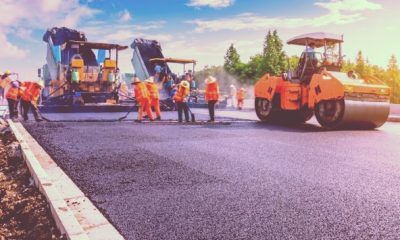
The 64-day project will involve extensive pavement restoration, improved drainage works, and strengthening of key sections to enhance durability.
Officials noted the works are essential to reduce potholes, improve ride quality, and mitigate accident risks associated with the high traffic volume on the expressway.
To lessen the impact on commuters, the state government has developed a comprehensive traffic management plan that includes:
Dynamic lane sharing during peak hours, more lanes allocated inbound in the morning and outbound in the evening.
Targeted closures at intersections rather than full expressway shutdowns.
Deployment of additional traffic officers, signage, and illumination to guide motorists safely through the work zones.
Advisories encouraging motorists to use alternative routes, such as the Coastal Road, where feasible to reduce pressure on the expressway.
Motorists are encouraged to plan trips ahead, allow extra travel time, and comply with traffic officials’ instructions throughout the rehabilitation period.
The Lekki-Epe Expressway serves as a vital link between Lagos Island, Lekki, Ajah, and Epe connecting residential communities to commercial hubs, ports, and industrial zones.
It is also a key route for commuters, freight transit, and public transport services in one of Sub-Saharan Africa’s fastest-growing urban corridors.
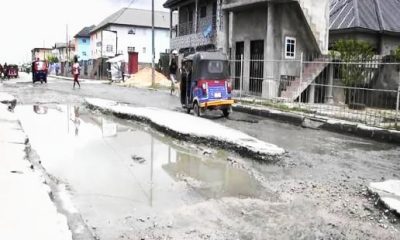
Over time, heavy traffic, inadequate maintenance, and accelerated urban growth have led to pavement distress and structural weaknesses.
The rehabilitation is designed to boost road durability, enhance safety for motorists and pedestrians, and reduce travel time delays that have frustrated commuters for years.
While temporary delays and diversions are expected, experts say the long-term benefits will outweigh the short-term inconvenience. Better road conditions are likely to:
- Improve logistics efficiency for businesses.
- Attract more investment and development along the Lekki-Epe corridor.
- Reduce vehicle operating costs and accident rates associated with poor pavement conditions.
The improvements are also seen as a foundation for other planned infrastructure projects in the region, including commuter transport reforms and future public transit expansions.








Five Die as Truck, Car Collide on Badagry Expressway

Two Killed as Trucks Collide, Burst Into Flames on Anambra Road

Stakeholders Raise Alarm Over Safety Gaps in Nigeria’s CNG and Electric Vehicle Transition

Female Driver Dies in Tragic Road Crash at Mongoro, Ile-Zik Area of Lagos

Physically Challenged Beggar Killed in Multi-Vehicle Crash on Lagos-Ibadan Expressway

Court Bars FRSC Officials From State Roads

24 Pupils Killed in Tragic Bus Crash During School Excursion in Uganda

Tyre Blowouts on Heavy Trucks

BYD Seal EV: Can It Challenge Traditional Sedans?

Colorado to Strengthen Driver Education Requirements

Slow Down: Man got his Family Killed by neglecting road signs

Which Bridge is the Tallest in the World?
Impatient Driving Cause Road Accident
How Roads are Constructed on the Mountain

Texas, USA suffers heavy flooding