
Update on Road Construction
FG Begins Rehabilitation of Abuja–Lokoja Highway to Improve Safety

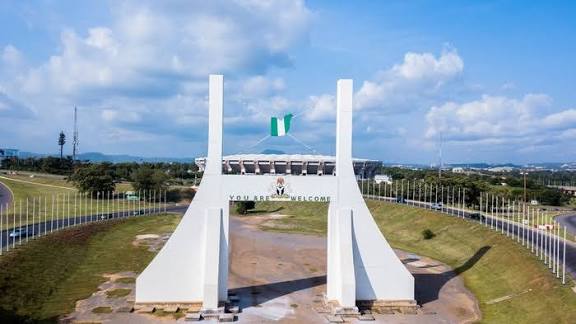
The Federal Government has commenced rehabilitation works on the Abuja–Lokoja highway, a major arterial road linking the Federal Capital Territory to several states in the North-Central and South-South regions, in a bid to reduce road crashes and improve travel time for motorists.
Also Read: 5.4km Karu Road to Be Completed in 10 Months – Wike Assures FCT Residents
Officials from the Federal Ministry of Works confirmed that the rehabilitation covers failed sections of the highway that have long been associated with traffic congestion, frequent breakdowns, and fatal accidents, particularly during peak travel periods.
The Abuja–Lokoja road is a critical economic corridor used daily by commercial buses, articulated trucks transporting goods, and private motorists travelling between Abuja, Kogi, Edo, and southern states.
However, deteriorating pavement conditions, potholes, and narrow sections have made the highway one of the most dangerous routes in the region.
Scope of the Rehabilitation
According to project officials, the ongoing works include:
- Repairs of failed pavement sections
- Resurfacing of damaged carriageways
- Clearing and reconstruction of drainage systems
- Road marking and installation of safety signs
- Strengthening of shoulders in critical areas
The Ministry said the project is being handled in phases to allow traffic flow while construction continues, with traffic management measures put in place to minimise disruptions.
Safety Concerns and Accident History
Road safety data from the Federal Road Safety Corps (FRSC) indicates that the Abuja–Lokoja highway has recorded numerous fatal crashes over the years, often linked to:
- Poor road conditions
- Overspeeding on narrow sections
- Heavy truck traffic
- Night driving with poor visibility
Motorists and transport operators have repeatedly called for urgent intervention, describing the road as a “death trap” during rainy seasons when potholes expand and waterlogging reduces visibility.
The Federal Ministry of Works said the rehabilitation aligns with the government’s commitment to improving road infrastructure and reducing traffic fatalities nationwide.
Motorists who spoke to RoadKing.ng welcomed the development but urged the authorities to ensure quality execution and timely completion of the project. Some drivers expressed concern that delays or substandard work could undermine the intended safety benefits.
Advisory to Road Users
While rehabilitation is ongoing, motorists have been advised to:
- Observe speed limits within construction zones
- Follow traffic diversions and warning signs
- Avoid night travel where possible
- Exercise patience during peak hours
The FRSC said it has deployed personnel along the corridor to manage traffic and respond to emergencies during the construction period.









Five Die as Truck, Car Collide on Badagry Expressway

Two Killed as Trucks Collide, Burst Into Flames on Anambra Road

Stakeholders Raise Alarm Over Safety Gaps in Nigeria’s CNG and Electric Vehicle Transition

Female Driver Dies in Tragic Road Crash at Mongoro, Ile-Zik Area of Lagos

Physically Challenged Beggar Killed in Multi-Vehicle Crash on Lagos-Ibadan Expressway

Court Bars FRSC Officials From State Roads

24 Pupils Killed in Tragic Bus Crash During School Excursion in Uganda

Tyre Blowouts on Heavy Trucks

BYD Seal EV: Can It Challenge Traditional Sedans?

Colorado to Strengthen Driver Education Requirements

Slow Down: Man got his Family Killed by neglecting road signs

Which Bridge is the Tallest in the World?
Impatient Driving Cause Road Accident
How Roads are Constructed on the Mountain

Texas, USA suffers heavy flooding