
Car/Vehicle Maintenance
How Weak Batteries Leave Motorists Stranding

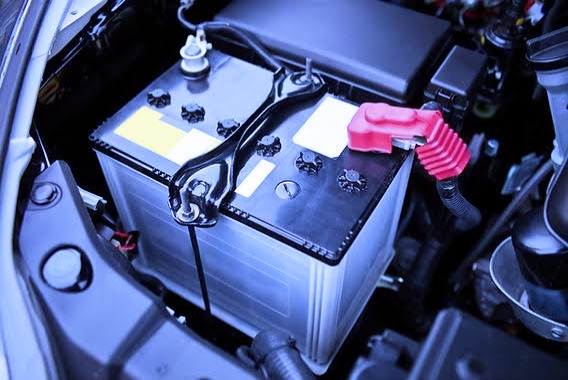
Car battery failure remains one of the leading causes of unexpected roadside breakdowns across Nigeria.
Also Read: 5 Signs Your Car Battery Is About to Fail
From private vehicles refusing to start in traffic to commercial buses breaking down mid-journey, weak or neglected batteries continue to expose motorists to highway risks, traffic disruptions, and secondary crashes.
RoadKing.ng monitoring of roadside incidents shows that many breakdowns recorded on major corridors such as the Lagos–Ibadan Expressway, Abuja–Lokoja Road, Onitsha–Enugu Expressway, and East–West Road are linked to electrical failure caused by dying batteries.
Why Car Batteries Matter
The car battery powers critical vehicle systems, including:
- Engine ignition
- Headlights and brake lights
- Dashboard systems
- Fuel injection and sensors
- Emergency and hazard lights
When a battery fails suddenly, vehicles can stall without warning, sometimes in the middle of fast-moving traffic, creating deadly road obstructions.
Common Causes of Battery Failure in Nigeria
Automotive technicians attribute frequent battery problems to:
- Use of expired or substandard batteries
- Excessive heat exposure
- Poor alternator performance
- Leaving lights or devices on overnight
- Infrequent driving
- Corroded terminals
- Overloaded electrical accessories
Nigeria’s high temperatures significantly reduce battery lifespan, making routine inspection even more critical.
Safety Implications on Nigerian Roads
Battery-related breakdowns are not harmless inconveniences. They often result in:
- Vehicles stopping abruptly in traffic
- Night-time invisibility due to dead lights
- Passengers stranded on highways
- Increased risk of rear-end collisions
- Exposure to robbery and assault
- Emergency response delays
Road safety officials warn that stalled vehicles without functioning hazard lights are among the most dangerous objects on Nigerian highways.
Warning Signs Drivers Should Not Ignore
- Slow engine cranking
- Flickering headlights
- Dashboard battery warning light
- Electrical malfunctions
- Frequent jump-starts
- Swollen battery casing
- Corroded terminals
Ignoring these indicators often leads to sudden battery collapse on the road.
Battery Maintenance Tips
To prevent battery-related breakdowns, motorists are advised to:
- Test battery health every 3–6 months
- Clean terminals regularly
- Ensure alternator output is checked
- Replace batteries every 18–36 months depending on quality
- Avoid installing unregulated electrical accessories
- Switch off lights and devices when parked
- Service electrical systems routinely
Commercial operators should make battery inspection part of daily departure checks.
Conclusion
A weak battery is a silent road hazard. What begins as slow ignition can escalate into a dangerous highway emergency. On Nigerian roads, preventive battery care is not just mechanical responsibility, it is a road safety duty.






Why Overloading Vehicles Is a Silent Killer on African Roads

Brake Failure Warning Signs Every Driver Must Never Ignore

Four Hospitalised After A73 Road Crash in South Lanarkshire, Scotland

Delhi Road Safety Experts Advocate 30 km/h Limits in High-Risk Zones

Three Family Members Killed in Bus–Bike Crash on East Midnapore Highway

Electric Vehicles in 2026: Impact on Road Safety, Charging, and Driver Behavior

Bhutan Launches Real-Time Crash Data System to Improve Road Safety

Crackdown on Scholar Transport in Lenasia After Deadly Crash:

English Teacher Killed in Water Tanker Collision on 51-Foot Road, Delhi

Damaged Roads Cause 27 Accidents in Jakarta — One Dead, Many Injured
Four Hospitalised After A73 Road Crash in South Lanarkshire, Scotland
Brake Failure Warning Signs Every Driver Must Never Ignore

Migrant Worker Lorry Crash in Singapore Prompts Renewed Calls for Ban
Electric Vehicles in 2026: Impact on Road Safety, Charging, and Driver Behavior
English Teacher Killed in Water Tanker Collision on 51-Foot Road, Delhi
Why Overloading Vehicles Is a Silent Killer on African Roads
Crackdown on Scholar Transport in Lenasia After Deadly Crash:
Three Family Members Killed in Bus–Bike Crash on East Midnapore Highway
Damaged Roads Cause 27 Accidents in Jakarta — One Dead, Many Injured
Bhutan Launches Real-Time Crash Data System to Improve Road Safety

Slow Down: Man got his Family Killed by neglecting road signs

Which Bridge is the Tallest in the World?
Impatient Driving Cause Road Accident
How Roads are Constructed on the Mountain

Texas, USA suffers heavy flooding