Roads & Governance / Infrastructure Policy
Slow Progress on Nigerian Roads? How Policy, Funding, and Tech Could Close the Gap

Deteriorating Roads, Rising Fatalities (Stats You Can’t Ignore)
Between January and March 2025, Nigeria recorded 2,650 road crashes, a slight decline from 2,674 in the same period in 2024, but with deaths rising from 1,471 to 1,593 (an 8.3% increase), and injuries climbing by 7.4% to 9,298 . (Daily Trust)
In the first half of 2025, more than 2,800 lives were lost across the country, with bad roads, reckless driving, and vehicle faults all cited as contributing factors . (Punch Newspaper)
These tragic numbers highlight the lethal gap between policy intent and infrastructure reality.
Policy Constraints & Maintenance Failures
FERMA (Federal Roads Maintenance Agency) requested a ₦64.9 billion budget for 2025 down from ₦77 billion in 2024 and continues to face major funding shortages and age‑worn infrastructure .
In contrast, the Federal Ministry of Works recently stated that no new road contracts would be awarded in 2024–2025, shifting focus toward maintaining existing assets .
But with insufficient funds and limited enforcement, the crisis deepens—roads degrade faster than they can be rehabilitated.
Big Funding, Big Expectations
Nigeria recently approved a $652 million export‑import loan from China Exim Bank, intended to build an “evacuation corridor” connecting the Lekki Deep Sea Port to multiple southern states .
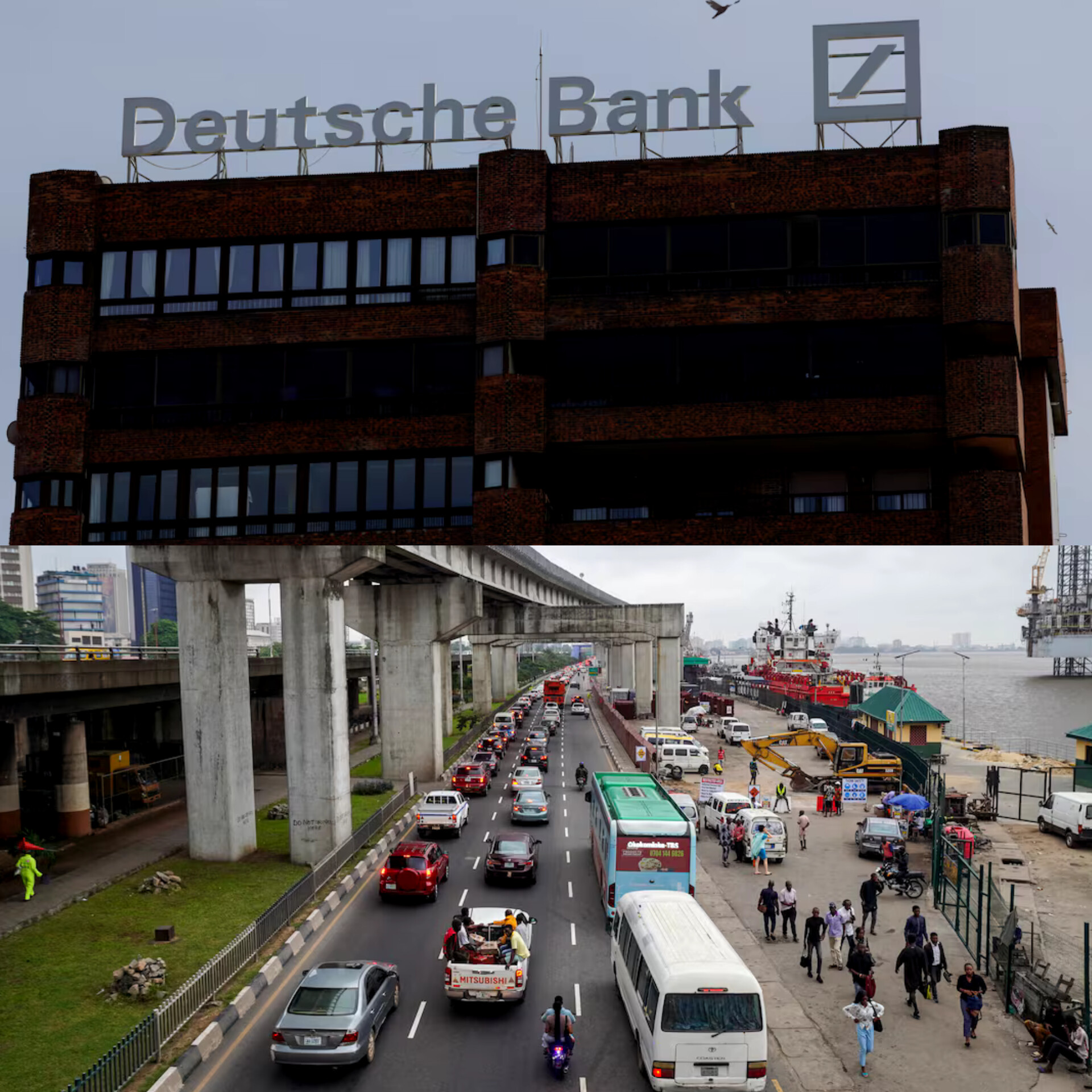
Additionally, a $747 million syndicated loan led by Deutsche Bank is financing the first 47.5 km of the Lagos–Calabar Coastal Highway, a ₦11 billion, 700 km project designed to connect Lagos to Calabar across eight states .
While these mega-projects offer hope, their limited scope risks leaving many dangerous corridors untouched.
Emerging Tech Must Be a Game Changer
Advanced methods like AI-driven pothole detection (via drones or mobile apps) are being piloted in developing countries and have real-time reporting capability .
In Nigeria, innovative solutions such as RF-based speed bumps synchronized with vehicle speed limiters could help control reckless overtaking, a cause behind over 50% of crashes .
Technology offers scalable, cost-effective means to monitor road conditions, enforce compliance, and guide maintenance priorities.
What Must Change: A RoadKing.ng Roadmap
Stakeholder and Action Needed
Federal Government & FERMA: Fully fund preventive maintenance and rebuild high-risk highways, not just new roads.
Policy & Regulation Bodies: Reform funding mechanisms—explore PPPs, e‑tolling, and hazard‑report levies.
Tech & Civil Society: Deploy pothole detection apps, hazard reporting platforms, and enforce automated speed zones.
Local Communities & FRSC: Engage locals via reporting tools; align FRSC patrols with digital data from hazard mapping.
Also Read: Defensive Driving: Techniques to Stay Safe on the Road
Final Editorial Perspective
The time for half-measures is over. Funding exists, tech is available, and the public demand is clear. But Nigeria must align political will, budget prioritization, smart infrastructure, and digital enforcement. Only then can we stop the bleeding and save lives.






Five Die as Truck, Car Collide on Badagry Expressway

Two Killed as Trucks Collide, Burst Into Flames on Anambra Road

Stakeholders Raise Alarm Over Safety Gaps in Nigeria’s CNG and Electric Vehicle Transition

Female Driver Dies in Tragic Road Crash at Mongoro, Ile-Zik Area of Lagos

Physically Challenged Beggar Killed in Multi-Vehicle Crash on Lagos-Ibadan Expressway

Court Bars FRSC Officials From State Roads

24 Pupils Killed in Tragic Bus Crash During School Excursion in Uganda

Tyre Blowouts on Heavy Trucks

BYD Seal EV: Can It Challenge Traditional Sedans?

Colorado to Strengthen Driver Education Requirements

Slow Down: Man got his Family Killed by neglecting road signs

Which Bridge is the Tallest in the World?
Impatient Driving Cause Road Accident
How Roads are Constructed on the Mountain

Texas, USA suffers heavy flooding