
Update on Road Construction
Lagos-Calabar Coastal Highway: Between Promise and Controversy

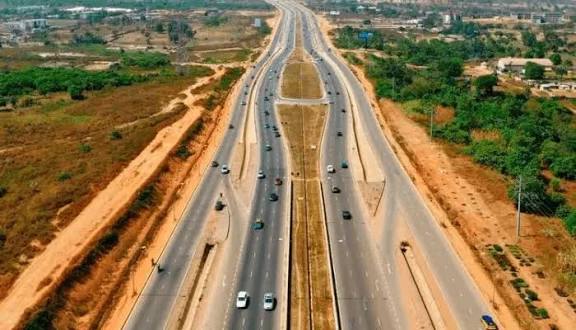
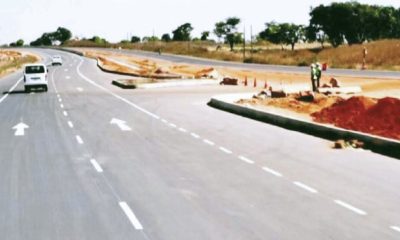
When the Nigerian government announced plans for a ₦15 trillion, 700 km Lagos-Calabar Coastal Highway, it was presented as a vision of prosperity, a glittering road running along Nigeria’s Atlantic coastline, promising connectivity, trade, and tourism.
Also Read: Lagos-Calabar Coastal Highway: Nigeria’s Boldest Road Project in History
But as construction equipment rolled into Lagos in early 2024, that dream quickly turned into one of Nigeria’s most heated public debates. Demolished homes, unanswered questions about funding, and environmental concerns soon clouded what was supposed to be a unifying national project.
The Lagos-Calabar Coastal Highway has become a paradox: a project designed to unite, yet dividing opinion across communities, experts, and political lines.
The Root of the Controversy
1. The Question of Transparency
Critics argue that a project of this scale should have undergone a rigorous open competitive bidding process. Instead, the Federal Ministry of Works directly awarded the contract to HiTech Construction Company Limited, a firm linked to billionaire businessman Gilbert Chagoury, long seen as close to Nigeria’s political elite.
Civil society groups raised alarms:
- Was the award process transparent?
- Were cost estimates inflated?
- Who are the financiers backing the project?
As activist Inibehe Effiong stated:
“The coastal highway is not the problem. Lack of accountability in awarding a trillion-naira project is.”
2. Funding Fog
At ₦15 trillion, the highway is one of the most expensive projects in Africa’s history. The government insists funding will come from a public-private partnership supported by international lenders.
In July 2025, Nigeria secured a $747 million syndicated loan led by Deutsche Bank, earmarked for the first 47 km stretch. But analysts argue that the financing model remains unclear, raising fears the project could be abandoned midway, like many before it.
3. Demolition Crisis
The most visible flashpoint has been in Lagos. To make way for the project, the Federal Government ordered mass demolitions along Ahmadu Bello Way and parts of the Lekki-Ajah corridor.
Residents complained of:
- Inadequate compensation.
- Short demolition notices.
- Destruction of thriving businesses, schools, and homes.
For many, the Lagos-Calabar highway represents a personal tragedy rather than a national dream.
4. Environmental Impact
Environmentalists warn that routing the highway along Nigeria’s fragile Atlantic coastline could worsen erosion and flooding. Already, Lagos, Bayelsa, and Cross River are among Nigeria’s most climate-vulnerable states.
Without proper Environmental Impact Assessments (EIAs), critics argue the project could sacrifice ecosystems for asphalt.
Voices from the Ground:
Property Owners in Lagos
“They told us we would get ₦2 million compensation. My house was worth over ₦25 million. How is that justice?” — Displaced homeowner, Lekki Phase I
Civil Society
“This is not about opposing progress. We want development that is accountable, sustainable, and inclusive.” — SERAP (Socio-Economic Rights and Accountability Project)
Federal Government
Minister of Works, David Umahi, has consistently defended the project:
- Compensation is ongoing and fair.
- The route was re-aligned to reduce demolitions.
- Construction is being carried out with concrete pavement technology, ensuring durability.
“This project is not a scam. Nigerians should focus on the benefits, not the propaganda.” — Umahi, July 2025
Political Undertones
The highway is as much a political statement as an infrastructural one. President Bola Ahmed Tinubu has pitched it as part of his “Renewed Hope Agenda”.
But opposition figures, including members of the Peoples Democratic Party (PDP), accuse the ruling APC of prioritizing “prestige projects” over urgent needs like power, education, and healthcare.
The project has also inflamed regional politics. Some northern politicians argue the north is being neglected, as trillions are poured into a southern coastal highway.
The Debate Over Priorities
Nigeria’s infrastructure deficit is massive:
- Over 200,000 km of roads, but less than 60,000 km paved.
- Critical arteries like the Lagos–Ibadan Expressway, East–West Road, and Abuja–Kano highway still suffer delays.
So critics ask:
- Should Nigeria spend trillions on a new coastal highway when existing key roads are death traps?
- Is this a luxury project in a nation struggling with poverty and insecurity?
Legal and Judicial Challenges
The demolitions sparked lawsuits in Lagos. Property owners have dragged the Federal Government to court, seeking injunctions to halt the project until fair compensation is paid.
Meanwhile, NGOs are preparing lawsuits over violations of environmental laws, demanding comprehensive EIAs.
If these cases gain traction, they could stall construction — adding to Nigeria’s long list of litigated mega-projects.
International Scrutiny
With global financiers like Deutsche Bank backing the project, international NGOs are also monitoring. If allegations of forced evictions or environmental harm escalate, Nigeria could face pressure from watchdog groups like Human Rights Watch and Amnesty International.
This global spotlight could influence lenders’ willingness to release funds.
Citizens Divided: Hope vs. Anger
In online spaces, the Lagos–Calabar highway dominates debates:
- Supporters: See it as a visionary project that will modernize Nigeria and boost its global standing.
- Opponents: View it as another white elephant that will enrich contractors and politicians while ordinary Nigerians suffer.
On Twitter (X), hashtags like #CoastalHighway and #StopTheDemolitions trended repeatedly in 2024 and 2025, reflecting the polarized mood.
What’s at Stake
The Lagos-Calabar Coastal Highway controversy goes beyond asphalt. At stake are:
- Nigeria’s reputation for project execution.
- The credibility of Tinubu’s administration.
- The rights and livelihoods of thousands of displaced citizens.
- The future of Nigeria’s coastal environment.
If mismanaged, the project risks becoming a symbol of waste. If completed transparently and inclusively, it could be a symbol of renewal.
Conclusion: Road to Progress or Road to Nowhere?
Every great nation has built highways that changed history. But Nigeria has also seen its share of half-built roads, inflated contracts, and abandoned dreams.
The Lagos-Calabar Coastal Highway sits delicately between these two possibilities. Its success will depend not just on bulldozers and loans, but on transparency, accountability, environmental care, and genuine inclusiveness.
For now, the road is under construction, both literally and metaphorically. The real question is: Will this be the highway that unites Nigeria’s hopes, or the one that deepens its divides?








Five Die as Truck, Car Collide on Badagry Expressway

Two Killed as Trucks Collide, Burst Into Flames on Anambra Road

Stakeholders Raise Alarm Over Safety Gaps in Nigeria’s CNG and Electric Vehicle Transition

Female Driver Dies in Tragic Road Crash at Mongoro, Ile-Zik Area of Lagos

Physically Challenged Beggar Killed in Multi-Vehicle Crash on Lagos-Ibadan Expressway

Court Bars FRSC Officials From State Roads

24 Pupils Killed in Tragic Bus Crash During School Excursion in Uganda

Tyre Blowouts on Heavy Trucks

BYD Seal EV: Can It Challenge Traditional Sedans?


