
News Update
CNG Price Rises to ₦450 per SCM as FG Withdraws Subsidies for Nigerians


The Federal Government has officially withdrawn subsidies on Compressed Natural Gas (CNG), leading to a sharp increase in its retail price to ₦450 per Standard Cubic Meter (SCM).
Also Read: Compressed natural gas (CNG) vs. Regular Fuel: Pros and Cons
This development, announced by energy marketers and confirmed by industry stakeholders, marks yet another blow to Nigerians already battling high petrol prices and soaring transportation costs.
For years, the Nigerian government has promoted CNG as a cheaper and cleaner alternative to petrol, encouraging motorists, transport unions, and fleet operators to convert their vehicles. Subsidies played a major role in keeping prices low, with CNG previously selling between ₦200 – ₦250 per SCM depending on the region.
Now, with the subsidy removal, commuters and commercial transport operators fear that CNG may no longer serve as the affordable relief option it was designed to be.
What This Means for Motorists
- Rising Transport Costs: Commercial drivers who already invested in CNG conversions are bracing for higher running costs, which will be passed on to passengers.
- Strain on Low-Income Nigerians: Millions of Nigerians who were hopeful that CNG would cushion the impact of fuel subsidy removal now face limited options.
- Policy Credibility Issues: Critics argue that this decision undermines the government’s earlier campaign of “CNG as the people’s fuel,” and could discourage future adoption.
Stakeholders React
- Transport Operators: Many drivers are calling for a reversal of the policy, warning that commuters will suffer and adoption of CNG may stall.
- Economic Analysts: Experts believe that while deregulation may encourage investment in the gas sector, the timing could worsen inflationary pressures already crippling households.
- Civil Society Groups: Advocacy groups have accused the government of being insensitive to the plight of Nigerians, noting that removing both petrol and CNG subsidies is “double punishment.”
RoadKing Analysis
The removal of CNG subsidies risks turning a promising clean energy solution into yet another luxury inaccessible to ordinary Nigerians. Instead of serving as a long-term answer to fuel crises, CNG may now mirror the same affordability challenges that haunt petrol and diesel.
Without clear government intervention such as price control measures, tax incentives, or mass transit support, Nigeria’s clean energy transition could stall before it even takes off.
Conclusion
As CNG prices surge to ₦450/SCM, Nigerians are left questioning the sustainability of government policies on alternative fuels. For now, the promise of cheaper, cleaner energy seems to be slipping further from reach.
Nigeria’s Alternative Fuel Dreams Under Threat: Is CNG Still the Answer?
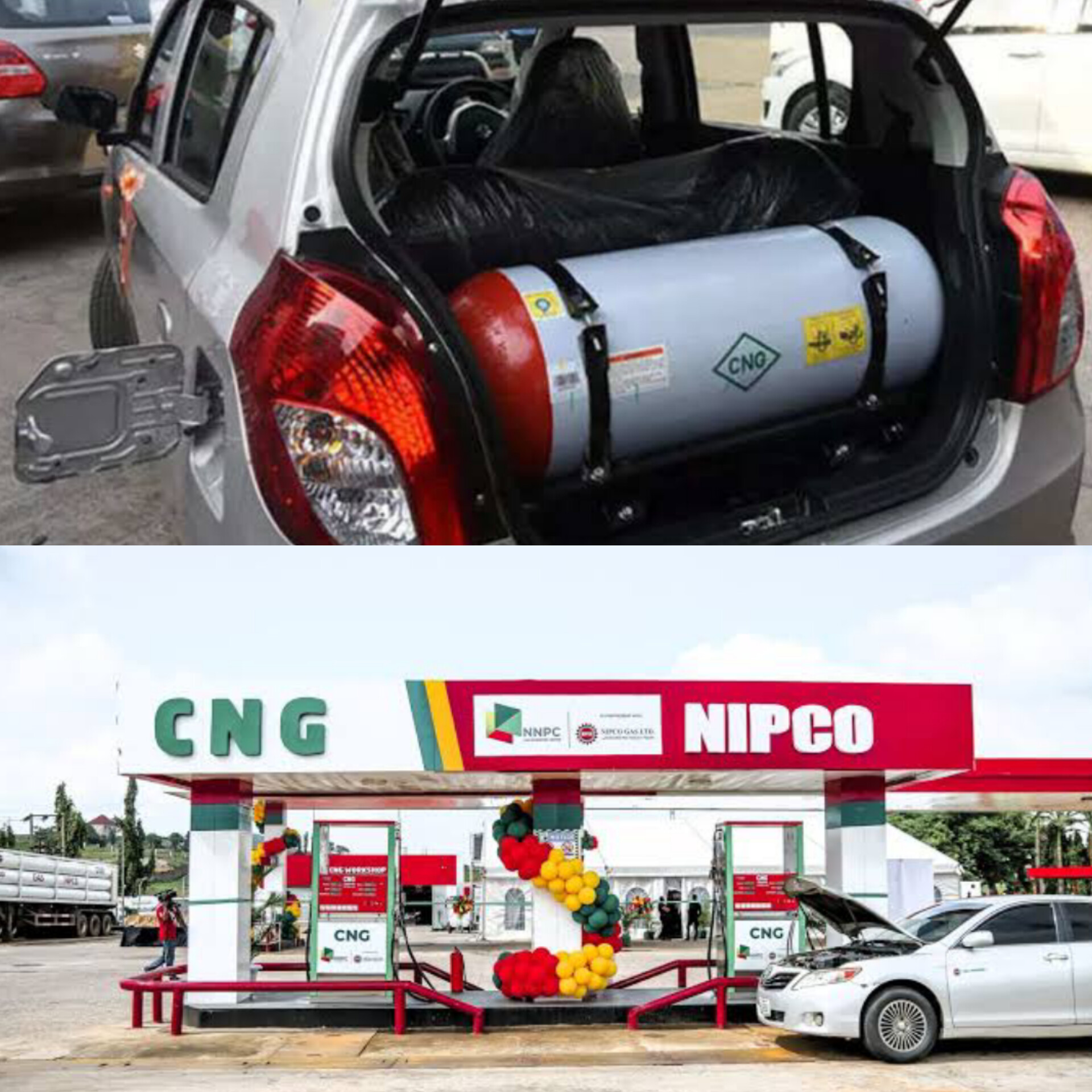
When the Federal Government first unveiled its CNG-for-all initiative, Nigerians were promised cheaper fuel, reduced dependency on petrol, and a cleaner environment. Today, with the price of Compressed Natural Gas (CNG) surging to ₦450 per Standard Cubic Meter (SCM) after subsidy removal, those promises are in doubt.
The Original Promise of CNG
- Affordability: CNG was meant to cost 30–40% less than petrol, providing relief for commercial drivers and commuters.
- Clean Energy: With lower emissions, it was touted as an eco-friendly solution to Nigeria’s pollution crisis.
- Local Abundance: Nigeria has the largest proven gas reserves in Africa, so why should it be unaffordable?
Why the Price Surge is Dangerous
- CNG Conversion Costs: Many drivers already spent ₦400,000–₦600,000 converting their vehicles. Rising gas prices now make the investment questionable.
- Public Trust in Government Policies: Nigerians are losing faith in the “energy transition” agenda, as every alternative fuel seems to become as expensive as petrol.
- Impact on Public Transport: From tricycles to interstate buses, operators are warning that fares will double if government fails to intervene.
Global Comparison
- India: CNG sells for the equivalent of ₦250–₦280/SCM, with government incentives supporting widespread adoption.
- Nigeria: Despite having larger reserves, CNG now costs nearly ₦450/SCM, leaving many to question mismanagement and policy inconsistency.
RoadKing Analysis
The danger is not just about price hikes, it’s about Nigeria’s credibility in energy planning. If Nigerians cannot afford petrol, diesel, or even CNG, what alternative remains? Solar-powered transport is far from realistic at scale, while electric vehicles (EVs) remain out of reach due to cost and poor infrastructure.
Unless the Federal Government creates clear regulatory frameworks, stabilizes CNG pricing, and protects early adopters, this transition may collapse before it truly begins.
Conclusion
CNG was supposed to be Nigeria’s saving grace in a post-fuel subsidy era. But with prices now skyrocketing, the alternative fuel dream risks turning into another missed opportunity.










Five Die as Truck, Car Collide on Badagry Expressway

Two Killed as Trucks Collide, Burst Into Flames on Anambra Road

Stakeholders Raise Alarm Over Safety Gaps in Nigeria’s CNG and Electric Vehicle Transition

Female Driver Dies in Tragic Road Crash at Mongoro, Ile-Zik Area of Lagos

Physically Challenged Beggar Killed in Multi-Vehicle Crash on Lagos-Ibadan Expressway

Court Bars FRSC Officials From State Roads

24 Pupils Killed in Tragic Bus Crash During School Excursion in Uganda

Tyre Blowouts on Heavy Trucks

BYD Seal EV: Can It Challenge Traditional Sedans?


