
Car/Vehicle Maintenance
How to Prevent Brake Failure: 7 Crucial Maintenance Checks Every Driver Should Know

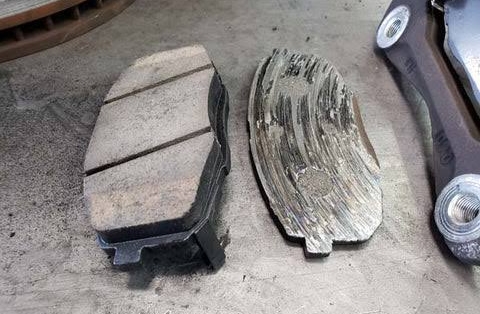
One of the deadliest types of vehicle failure is brake malfunction, often sudden, always terrifying, and frequently preventable.
In 2024, the FRSC reported brake failure as a contributing factor in at least 11% of major crashes across Nigeria. Most of these incidents were avoidable with simple routine checks.
The 7 Most Important Brake System Checks
1. Brake Fluid Level and Condition
Brake fluid is the hydraulic force behind your brake system. If it’s low or contaminated, your brakes won’t respond.
- Check every month or before long trips.
- If the fluid is dark or smells burnt, it’s due for a change.
- Use only manufacturer-recommended brake fluid types (DOT 3, DOT 4, etc.)
Tip: Dirty or low brake fluid is the number one hidden cause of spongy brake pedals.
2. Brake Pads and Shoe Thickness
Worn brake pads reduce friction, increasing stopping distance and eventually, you’ll hear that dreaded squeal.
- Replace pads if thickness is under 3mm.
- Have them inspected every 10,000–15,000 km.
- Nigerian roads wear pads faster, monitor more frequently if you live in hilly or traffic-heavy areas like Abuja, Lagos or Onitsha.
3. Brake Rotors (Discs)
Rotors wear out, warp, or develop grooves. If your steering wheel vibrates when braking, check your rotors.
- Listen for grinding noises.
- Resurface or replace rotors if grooves are visible or if vibration occurs.
4. Brake Lines and Hoses
Leaks or cracks in the brake lines can lead to total failure. These components wear faster in extreme heat or dirty environments.
- Inspect hoses for cracks, dampness, or bulges.
- Never ignore fluid drops beneath your vehicle.
5. Master Cylinder Health
This is the heart of your braking system. If it begins to fail, the brake pedal may sink slowly under your foot.
- If your pedal feels soft or travels too far, have the cylinder inspected.
- Leaks from this component can mimic fluid loss or air in the system.
6. Brake Warning Lights
On modern cars, the ABS (anti-lock brake system) or brake indicator on your dashboard can signal:
- Low fluid
- Worn pads
- Sensor issues
Don’t ignore these warnings. Get your car scanned at a diagnostic shop immediately.
7. Emergency (Hand) Brake Function
Often neglected, your emergency brake can save you in a total system failure.
Check it every two weeks.
If it fails to hold the vehicle on an incline, tighten or repair immediately.
DIY Brake Maintenance Tips for Nigerian Drivers
- Keep brake fluid capped tightly, it absorbs moisture quickly.
- Wash undercarriage regularly to prevent grime buildup in brake components.
- Don’t overload your vehicle, heavier loads increase braking wear.
- Avoid “riding” the brakes in traffic, it causes overheating.
When to Seek Professional Inspection
Call a mechanic immediately if you notice:
- Brake pedal sinks or feels soft
- Brake warning light stays on
- Grinding or screeching sound
- Car pulling to one side when braking
- Longer stopping distance
Annual professional brake checks are recommended even without symptoms.
Did You Know?
>According to the WHO Global Road Safety Report (2023), brake failure causes 13% of mechanical-related crashes in low- and middle-income countries, especially those with weak vehicle inspection policies like Nigeria.
Final Thought from RoadKing.ng
Brake failure is not sudden, it builds up through neglect. With regular checks, clean fluid, and part replacements when due, you can avoid becoming a crash statistic.
Protect yourself. Maintain your brakes. Drive safe.
Also Read: How to stop a car when it’s brakes fails






Five Die as Truck, Car Collide on Badagry Expressway

Two Killed as Trucks Collide, Burst Into Flames on Anambra Road

Stakeholders Raise Alarm Over Safety Gaps in Nigeria’s CNG and Electric Vehicle Transition

Female Driver Dies in Tragic Road Crash at Mongoro, Ile-Zik Area of Lagos

Physically Challenged Beggar Killed in Multi-Vehicle Crash on Lagos-Ibadan Expressway

Court Bars FRSC Officials From State Roads

24 Pupils Killed in Tragic Bus Crash During School Excursion in Uganda

Tyre Blowouts on Heavy Trucks

BYD Seal EV: Can It Challenge Traditional Sedans?

Colorado to Strengthen Driver Education Requirements

Slow Down: Man got his Family Killed by neglecting road signs

Which Bridge is the Tallest in the World?
Impatient Driving Cause Road Accident
How Roads are Constructed on the Mountain

Texas, USA suffers heavy flooding