
Articles
The Dangers of Careless Overtaking on the Road


Overtaking, when executed with caution and proper judgment, is a necessary maneuver on the road to ensure smooth traffic flow.
However, when done carelessly, it poses significant dangers to all road users involved.
Here’s an in-depth look at the risks and consequences associated with careless overtakings.
Understanding Overtaking
Overtaking refers to the act of passing another vehicle traveling in the same direction.
It typically involves moving into an adjacent lane or crossing into oncoming traffic briefly to complete the maneuver.
While overtaking can be legal and safe when done correctly, it requires adherence to traffic laws and consideration of surrounding conditions.
Common Causes of Careless Overtaking
This often stems from impatience, aggressive driving behavior, or misjudgment of the road and traffic conditions. Some common causes include:
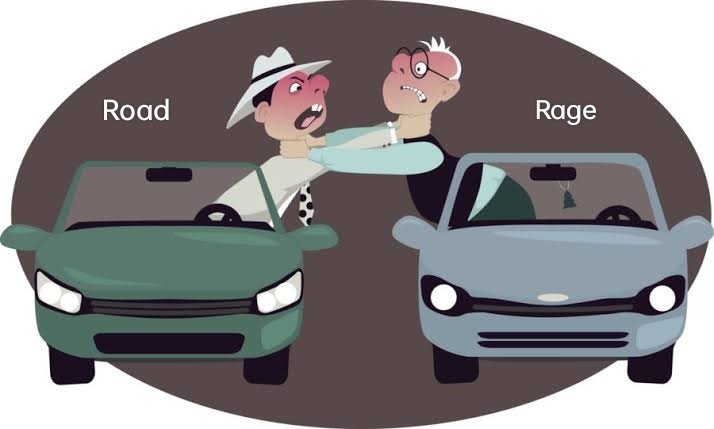
1. Impatience and Aggression: Drivers who are in a rush or frustrated with slower vehicles ahead may attempt risky maneuvers to gain time, disregarding safety.
2. Poor Visibility: Overtaking on curves, hills, or in adverse weather conditions where visibility is limited increases the risk of collisions with oncoming traffic or unseen obstacles.
3. Misjudgment of Speed: Failing to accurately assess the speed of oncoming vehicles or the distance needed to complete the maneuver safely can lead to accidents.
4. Inadequate Space: Attempting to overtake without enough clear space ahead or misjudging the distance required to return to the original lane can result in sideswipes or forced evasive actions by other drivers.
Risks and Consequences
The dangers associated with careless overtaking are severe and can result in:
- Head-On Collisions: One of the most catastrophic outcomes of careless overtaking is a head-on collision with oncoming traffic, often resulting in serious injuries or fatalities.
- Side Collisions: Failing to complete an overtaking maneuver safely can lead to collisions with vehicles in the adjacent lane, especially if the overtaking driver merges back into traffic abruptly.
- Off-Road Accidents: Drivers forced off the road due to evasive maneuvers or lack of space can lose control of their vehicles, potentially causing rollovers or collisions with roadside obstacles.
- Psychological Impact: Witnessing or being involved in an overtaking-related accident can lead to trauma and anxiety for drivers and passengers, affecting their confidence and future driving behavior.
Legal and Ethical Considerations
From a legal standpoint, reckless or careless overtaking can result in fines, license points, and even criminal charges if serious injuries or fatalities occur.
Ethically, drivers have a responsibility to prioritize safety over convenience and to respect traffic laws designed to protect all road users.
Preventative Measures
To mitigate the risks associated with overtaking, drivers should:
- Plan Ahead: Anticipate the need to overtake well in advance and only do so when conditions are optimal (clear visibility, sufficient space, legal passing zones).
- Use Signals: Clearly signal intentions to overtake and ensure there is enough time for other drivers to react.
- Observe Speed Limits: Maintain a safe speed that allows for quick reaction times and adequate braking distance.
- Exercise Patience: Avoid aggressive driving behaviors and be prepared to wait for safer overtaking opportunities rather than taking unnecessary risks.
Careless overtaking remains a significant contributor to road accidents and fatalities worldwide.
By understanding the risks involved, adhering to traffic laws, and exercising patience and caution, drivers can play a crucial role in ensuring safer roads for everyone.
Remember, arriving safely is always more important than arriving quickly.




M11 Motorway Shut After Double Crash Near Stansted Airport

Two Killed in Head-On Collision Between Toyota Corolla and Tricycle in Calabar

Speeding Car Rams Into E-Rickshaw and Cyclist, Killing Three in Chandigarh

Japan Tests Holographic Crossing Guards to Protect Children

Woman Killed in Hit-and-Run Three-Car Crash on N24 Near Limerick

23-Year-Old Woman Dies After Collision Between Airport Shuttle and Car

5 Killed in Horrific Head-On Collision on Tumakuru Road, Bengaluru
Man Killed After Collision on Highway 407 Near Markham
11 Killed in Enugu–Port Harcourt Expressway Collision

Telangana Among India’s States with Highest NH Black Spots
Man Killed After Collision on Highway 407 Near Markham
Two Killed in Head-On Collision Between Toyota Corolla and Tricycle in Calabar
11 Killed in Enugu–Port Harcourt Expressway Collision
5 Killed in Horrific Head-On Collision on Tumakuru Road, Bengaluru
23-Year-Old Woman Dies After Collision Between Airport Shuttle and Car
Woman Killed in Hit-and-Run Three-Car Crash on N24 Near Limerick
Japan Tests Holographic Crossing Guards to Protect Children
Speeding Car Rams Into E-Rickshaw and Cyclist, Killing Three in Chandigarh
M11 Motorway Shut After Double Crash Near Stansted Airport

Slow Down: Man got his Family Killed by neglecting road signs

Which Bridge is the Tallest in the World?
Impatient Driving Cause Road Accident
How Roads are Constructed on the Mountain

Texas, USA suffers heavy flooding