
Driver Training
Areas where you don’t Overtake on the road

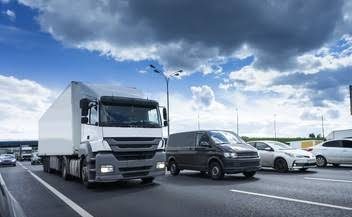
Overtaking on the roads is a common maneuver that requires careful consideration and adherence to traffic rules.
While overtaking can be essential for efficient travel, there are specific situations where attempting to pass another vehicle can be dangerous or even illegal.
In this guide, we’ll explore scenarios where overtaking is ill-advised, emphasizing the importance of safety on the roads.
1. Blind Curves and Hills
One of the most hazardous places to overtake is on blind curves and hills.
Limited visibility in these areas poses a significant risk, as you may not be able to see oncoming traffic or potential obstacles ahead.
Overtaking in such locations increases the likelihood of collisions, making it crucial to exercise patience until you have a clear view of the road.
2. Intersections and Junctions
Overtaking near intersections and junctions is strongly discouraged.
These areas are often bustling with merging traffic, pedestrians, and varying road conditions.
Attempting to overtake in such complex environments can lead to confusion and accidents, jeopardizing the safety of all road users.
3. School Zones and Pedestrian Crossings
Respecting designated school zones and pedestrian crossings is paramount for road safety.
Overtaking in these areas is not only illegal but also endangers the lives of children, pedestrians, and other vulnerable road users.
Exercise extreme caution and strictly adhere to speed limits in these zones.
4. Construction Zones
Construction zones are marked by reduced speed limits, changing traffic patterns, and potential hazards.
Overtaking in construction zones is highly unsafe due to the unpredictable nature of the work environment.
Workers, machinery, and temporary road conditions demand heightened attention and compliance with posted signs and instructions.
5. Emergency Vehicles
Never attempt to overtake emergency vehicles displaying flashing lights or sirens.
These vehicles, including ambulances, police cars, and fire trucks, require a clear path to reach their destinations promptly.
Yield the right of way, pull over, and allow these vehicles to pass safely.
6. Solid Double Yellow Lines
Road markings such as solid double yellow lines typically indicate a no-overtaking zone.
Crossing these lines is often prohibited due to limited visibility or the presence of potential dangers.
Respect these markings to avoid collisions and maintain a smooth flow of traffic.
7. Narrow Bridges and Tunnels
Overtaking on narrow bridges or in tunnels is hazardous due to limited space and the potential for oncoming traffic.
These areas often have reduced visibility and can be challenging to navigate safely.
Exercise caution and refrain from overtaking until you have safely exited these confined spaces.
In conclusion, overtaking, when done responsibly, contributes to efficient traffic flow.
However, understanding where not to overtake is equally crucial for road safety.
Avoiding blind curves, intersections, school zones, construction areas, and other high-risk locations ensures the well-being of all road users.
By prioritizing safety and following traffic regulations, drivers can contribute to a secure and harmonious road environment.

Five Die as Truck, Car Collide on Badagry Expressway

Two Killed as Trucks Collide, Burst Into Flames on Anambra Road

Stakeholders Raise Alarm Over Safety Gaps in Nigeria’s CNG and Electric Vehicle Transition

Female Driver Dies in Tragic Road Crash at Mongoro, Ile-Zik Area of Lagos

Physically Challenged Beggar Killed in Multi-Vehicle Crash on Lagos-Ibadan Expressway

Court Bars FRSC Officials From State Roads

24 Pupils Killed in Tragic Bus Crash During School Excursion in Uganda

Tyre Blowouts on Heavy Trucks

BYD Seal EV: Can It Challenge Traditional Sedans?

Colorado to Strengthen Driver Education Requirements

Slow Down: Man got his Family Killed by neglecting road signs

Which Bridge is the Tallest in the World?
Impatient Driving Cause Road Accident
How Roads are Constructed on the Mountain

Texas, USA suffers heavy flooding