
Car Review
Steps to purchasing a fairly used car

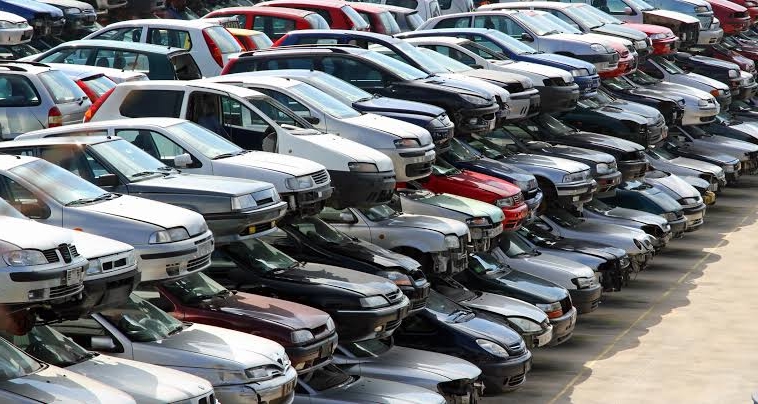
Buying a used car can be a cost-effective way to get a reliable vehicle, but it also comes with its own set of challenges.
Unlike purchasing a brand-new car, buying used requires careful inspection and consideration to ensure you’re getting a good deal and a vehicle that meets your needs.
In this guide, we’ll explore the essential factors to consider and what to look out for when purchasing a used car.
1. Set Your Budget
Before you start shopping for a used car, it’s crucial to establish your budget.
Determine how much you can afford to spend, including not just the purchase price but also ongoing expenses like insurance, maintenance, and fuel costs.
Stick to your budget to avoid overspending or getting into financial difficulties.
2. Research
Research is key when buying a used car. Look into the make and model you’re interested in to learn about its reliability, common issues, and typical price range.
Websites, forums, and consumer reports can provide valuable insights from owners and experts alike.
Consider factors such as fuel efficiency, safety ratings, and resale value to help narrow down your options.
3. Check Vehicle History
Obtain the vehicle identification number (VIN) of any used car you’re considering and run a vehicle history report.
Services like Carfax or AutoCheck can provide information about the car’s ownership history, accident reports, odometer readings, and more.
A clean vehicle history report is a good indication of a well-maintained car with no hidden issues.
4. Inspect the Exterior
Conduct a thorough visual inspection of the car’s exterior. Look for signs of rust, dents, scratches, and paint damage.
Check the condition of the tires for tread wear and uneven wear patterns, as this could indicate alignment or suspension issues.
Inspect the headlights, taillights, and turn signals to ensure they’re working properly.
5. Evaluate the Interior
Take a close look at the interior of the car. Check the condition of the seats, dashboard, and upholstery for signs of wear and tear.
Test all the features and amenities, including the air conditioning, heating, stereo system, power windows, and locks.
Look for any unusual odors, stains, or damage that could indicate neglect or abuse.
6. Test Drive
Always test drive a used car before making a purchase. Pay attention to how the car handles, accelerates, and brakes.
Listen for any unusual noises, such as squeaks, rattles, or grinding sounds.
Test the steering responsiveness and suspension by driving over different road surfaces.
If possible, drive the car at highway speeds to assess its performance on the open road.
7. Mechanical Inspection
Consider having a qualified mechanic inspect the car before finalizing the purchase.
A professional inspection can uncover hidden mechanical issues that may not be apparent during a visual inspection or test drive.
The mechanic can check the engine, transmission, brakes, suspension, and other critical components for signs of wear or damage.
8. Negotiate the Price
Once you’ve thoroughly inspected the car and are satisfied with its condition, it’s time to negotiate the price.
Use the information you’ve gathered from your research, vehicle history report, and inspection to justify your offer.
Be prepared to walk away if the seller is unwilling to negotiate or if the price exceeds your budget.
In conclusion, purchasing a used car requires careful consideration and attention to detail to ensure you’re getting a reliable vehicle at a fair price.
By following these steps and knowing what to look out for, you can make an informed decision and find the perfect used car that meets your needs and fits your budget.
Remember to take your time, do your research, and never hesitate to ask questions or seek professional assistance when needed.





Five Die as Truck, Car Collide on Badagry Expressway

Two Killed as Trucks Collide, Burst Into Flames on Anambra Road

Stakeholders Raise Alarm Over Safety Gaps in Nigeria’s CNG and Electric Vehicle Transition

Female Driver Dies in Tragic Road Crash at Mongoro, Ile-Zik Area of Lagos

Physically Challenged Beggar Killed in Multi-Vehicle Crash on Lagos-Ibadan Expressway

Court Bars FRSC Officials From State Roads

24 Pupils Killed in Tragic Bus Crash During School Excursion in Uganda

Tyre Blowouts on Heavy Trucks

BYD Seal EV: Can It Challenge Traditional Sedans?

Colorado to Strengthen Driver Education Requirements

Slow Down: Man got his Family Killed by neglecting road signs

Which Bridge is the Tallest in the World?
Impatient Driving Cause Road Accident
How Roads are Constructed on the Mountain

Texas, USA suffers heavy flooding