
Driver Training
The importance of side mirrors to safe driving

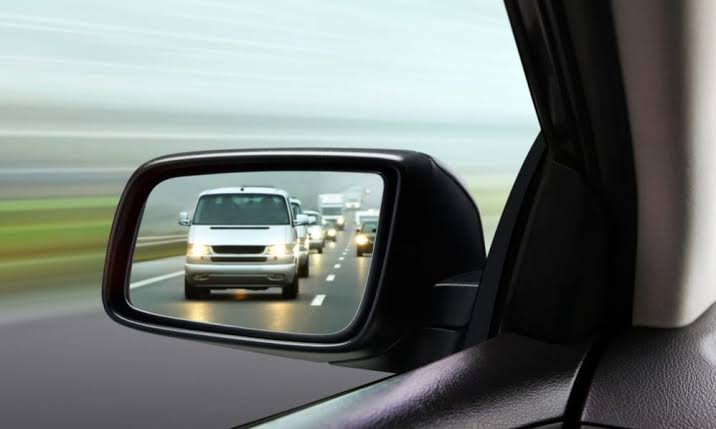
Car side mirrors, often considered as basic components of an automobile, are integral to driving safety and overall vehicle functionality.
Positioned strategically on both sides of the vehicle, these mirrors, also known as wing mirrors or door mirrors, serve a critical purpose in providing drivers with essential visual information.
In this article, we will consider the importance of two side mirrors to safe driving;
1. Safety Enhancement
One of the primary functions of car side mirrors is to enhance safety on the road.
By offering an extended field of vision, these mirrors help drivers monitor the surrounding environment, including adjacent traffic, pedestrians, and potential obstacles.
Properly adjusted mirrors significantly reduce blind spots, contributing to safer driving conditions.
2. Types and Designs
- Flat Mirrors: Commonly found in vehicles, flat mirrors provide a true reflection of objects. However, they have a limited field of view.
- Convex Mirrors: These mirrors have a curved surface, widening the viewing angle and minimizing blind spots. Although they distort the size and distance of objects, they are effective in enhancing overall visibility.
3. Electric Mirrors and Adjustability
Many modern vehicles are equipped with electric side mirrors that can be adjusted electronically from inside the car.
This feature enhances convenience and adaptability, allowing drivers to customize their mirror positions without manual adjustments.
4. Proper Adjustment Techniques
Drivers are advised to follow proper mirror adjustment techniques to optimize visibility.
The widely recommended “Blind Spot Mirror Technique” involves positioning side mirrors slightly outward to eliminate blind spots and enhance awareness of surrounding traffic.
5. Technological Advancements
Contemporary vehicles often integrate advanced technologies into side mirrors.
These may include blind-spot detection systems, lane departure warnings, and even cameras providing a comprehensive 360-degree view.
Such technologies contribute to both safety and driving convenience.
6. Maintenance Tips
Regular maintenance of side mirrors is crucial for optimal performance.
Cleaning the mirrors to ensure clear visibility and checking mechanical or electronic adjustments are fundamental steps in maintaining their functionality.
7. Compliance with Regulatory Standards
Governments worldwide enforce stringent regulations regarding the design and functionality of car side mirrors to ensure standardized safety measures.
Automotive manufacturers must comply with these standards to meet safety requirements.
8. Future Prospects and Environmental Considerations
The automotive industry continues to evolve, with ongoing developments in mirror technology.
Some vehicles now explore digital camera systems as alternatives to traditional mirrors, offering improved aerodynamics and reduced wind noise.
Additionally, manufacturers are increasingly considering environmental impacts, focusing on lightweight materials and efficient designs for enhanced fuel efficiency.
In conclusion, car side mirrors, though seemingly straightforward, play a pivotal role in driving safety and overall vehicle functionality.
As technology progresses and environmental considerations become more prominent, we can expect continued innovations in side mirror design and functionality, ensuring a safer and more efficient driving experience.
Regular maintenance and adherence to safety standards are paramount to maximize the effectiveness of car side mirrors.









Five Die as Truck, Car Collide on Badagry Expressway

Two Killed as Trucks Collide, Burst Into Flames on Anambra Road

Stakeholders Raise Alarm Over Safety Gaps in Nigeria’s CNG and Electric Vehicle Transition

Female Driver Dies in Tragic Road Crash at Mongoro, Ile-Zik Area of Lagos

Physically Challenged Beggar Killed in Multi-Vehicle Crash on Lagos-Ibadan Expressway

Court Bars FRSC Officials From State Roads

24 Pupils Killed in Tragic Bus Crash During School Excursion in Uganda

Tyre Blowouts on Heavy Trucks

BYD Seal EV: Can It Challenge Traditional Sedans?

Colorado to Strengthen Driver Education Requirements

Slow Down: Man got his Family Killed by neglecting road signs

Which Bridge is the Tallest in the World?
Impatient Driving Cause Road Accident
How Roads are Constructed on the Mountain

Texas, USA suffers heavy flooding