
Driver Training
Tips for driving under the rain?


Rain driving, an often underestimated facet of the driving experience, transforms roads into a challenging canvas that demands heightened skill and attention from motorists.
Beyond the inconvenience of wet roads, rain driving is a unique amalgamation of art and science, necessitating a nuanced approach to navigate safely and efficiently.
The Art of Rain Driving
1. Adaptability: Rain driving is an art of adaptability. The road transforms into a dynamic landscape where drivers must adjust their techniques based on the intensity of rain.
The ability to read the ever-changing conditions is crucial for a smooth and safe journey.
2. Patience and Precision: Unlike dry conditions, rain demands a slower pace. Patience becomes a virtue as drivers navigate through reduced visibility and slippery surfaces.
Precision in steering and braking becomes paramount to avoid sudden maneuvers that could lead to loss of control.
3. Mindful Awareness: ain driving requires a heightened sense of awareness.
Being mindful of surrounding vehicles, road signs, and potential hazards becomes crucial.
It’s an art to stay attuned to the road environment and anticipate changes to ensure a proactive response.
The Science Behind Rain Driving
1. Hydroplaning Dynamics: Understanding hydroplaning is key to mastering rain driving.
When water accumulates on the road surface, tires can lose contact with the road, leading to hydroplaning.
Drivers must learn to manage speed and ensure proper tire tread depth to minimize this risk.
2. Traction Control Systems: Modern vehicles are equipped with advanced traction control systems.
Exploring how these systems work and their role in enhancing stability during rain driving provides valuable insights for drivers looking to leverage technology for safer journeys.
3. Braking Techniques: The science of rain driving includes mastering effective braking techniques.
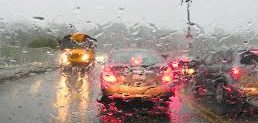
In wet conditions, roads are slick, requiring drivers to adjust their braking distances.
Understanding the interplay between braking force, ABS (Anti-lock Braking System), and road conditions is crucial for safe rain driving.
4. Aquaplaning Awareness: Aquaplaning occurs when a layer of water separates the tire from the road, leading to a loss of control.
Drivers must comprehend the factors influencing aquaplaning, such as tire type, speed, and water depth, to minimize its occurrence.
Tips for Mastering Rain Driving
1. Maintain Proper Tires: Regularly check tire tread depth and ensure tires are properly inflated. Adequate traction is essential for navigating wet roads.
2. Reduce Speed: Slowing down is a fundamental rule of rain driving. Reduced speed provides more time to react and minimises the risk of hydroplaning.
3. Brake Early and Gently: Begin braking earlier than usual and apply gentle pressure. Abrupt braking can lead to skidding on wet surfaces.
4. Use Headlights Wisely: Turn on headlights to enhance visibility for yourself and other drivers. Avoid using high beams, as they can reflect off raindrops, impairing visibility.
In conclusion, driving is a skill that combines the art of adaptability with the science of vehicle dynamics.
Mastering the nuances of rain driving ensures a safer and more enjoyable journey for drivers, making it a valuable skill for every motorist to cultivate.

Five Die as Truck, Car Collide on Badagry Expressway

Two Killed as Trucks Collide, Burst Into Flames on Anambra Road

Stakeholders Raise Alarm Over Safety Gaps in Nigeria’s CNG and Electric Vehicle Transition

Female Driver Dies in Tragic Road Crash at Mongoro, Ile-Zik Area of Lagos

Physically Challenged Beggar Killed in Multi-Vehicle Crash on Lagos-Ibadan Expressway

Court Bars FRSC Officials From State Roads

24 Pupils Killed in Tragic Bus Crash During School Excursion in Uganda

Tyre Blowouts on Heavy Trucks

BYD Seal EV: Can It Challenge Traditional Sedans?

Colorado to Strengthen Driver Education Requirements

Slow Down: Man got his Family Killed by neglecting road signs

Which Bridge is the Tallest in the World?
Impatient Driving Cause Road Accident
How Roads are Constructed on the Mountain

Texas, USA suffers heavy flooding