
Driver Training
Night Driving – Reasons, Tips and Technology


The allure of night driving has captivated motorists for decades. One of the most obvious advantages of night driving is the decreased traffic on the roads.
There is something undeniably enchanting about hitting the open road under the cover of darkness, surrounded by the tranquil stillness of the night.
However, as much as night driving can provide a sense of adventure, it also comes with its own set of challenges and risks that drivers must be aware of.
With fewer cars and congestion, drivers often experience a smoother and more peaceful journey.
The absence of rush hour traffic can be particularly appealing, allowing drivers to enjoy a more leisurely and stress-free drive.
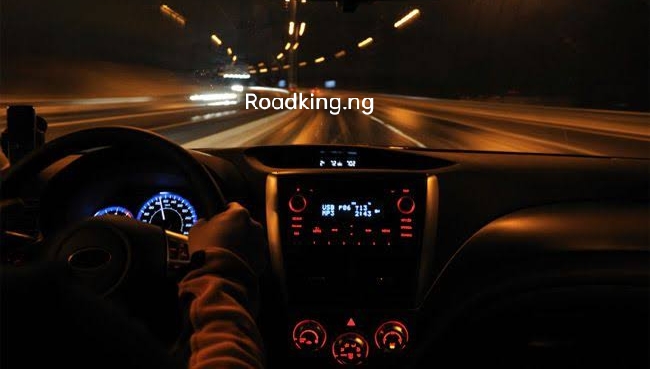
Driving at night can be a unique and sometimes challenging experience.
There’re different set of rules and considerations to keep in mind when compared to driving during the day.
In this article, Roadking.ng will delve into the aspects of night driving, including the reasons it is different, tips for safety, and how technology has impacted this activity.
Night driving presents a range of challenges due to decreased visibility.
This can be caused by various factors including reduced natural light, increased glare from artificial lighting, and the potential for fatigue.
Additionally, it’s important to be aware of nocturnal wildlife that may be more active during nighttime hours.
All of these elements require increased attention and careful navigation while behind the wheel.
In order to enhance safety during night driving, there are a few key tips to keep in mind:
1. Use headlights properly
Ensuring that your headlights are in good working condition is crucial.
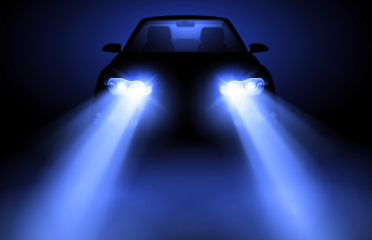
Use high beams on unlit roads, but dim them when approaching other vehicles to avoid blinding other drivers.
2. Stay alert and focused
Driving at night can be more tiring than during the day.
Take regular breaks, stay hydrated, and remain vigilant for signs of fatigue.
3. Reduce speed
It’s important to drive at a speed that allows for reaction time in case unexpected situations arise.
It may be necessary to drive slower than during the day due to decreased visibility.
4. Minimize distractions
Avoid using phones or other distractions that can hinder your ability to focus on the road.
Technological advancements have significantly impacted night driving.
For instance, adaptive headlights now adjust their brightness and direction based on the conditions and can even detect oncoming vehicles.
Additionally, night vision systems in some vehicles can provide a clearer view of the road ahead using infrared technology.
These innovations have certainly contributed to improving safety for drivers at night.
In conclusion, night driving requires extra caution and attention to ensure safety for everyone on the road.
By being aware of the challenges, implementing the right safety measures, and taking advantage of technological advancements, drivers can navigate the roads more safely at night.







Five Die as Truck, Car Collide on Badagry Expressway

Two Killed as Trucks Collide, Burst Into Flames on Anambra Road

Stakeholders Raise Alarm Over Safety Gaps in Nigeria’s CNG and Electric Vehicle Transition

Female Driver Dies in Tragic Road Crash at Mongoro, Ile-Zik Area of Lagos

Physically Challenged Beggar Killed in Multi-Vehicle Crash on Lagos-Ibadan Expressway

Court Bars FRSC Officials From State Roads

24 Pupils Killed in Tragic Bus Crash During School Excursion in Uganda

Tyre Blowouts on Heavy Trucks

BYD Seal EV: Can It Challenge Traditional Sedans?

Colorado to Strengthen Driver Education Requirements

Slow Down: Man got his Family Killed by neglecting road signs

Which Bridge is the Tallest in the World?
Impatient Driving Cause Road Accident
How Roads are Constructed on the Mountain

Texas, USA suffers heavy flooding