
Crash News
Tips for Buying Fuel Wisely

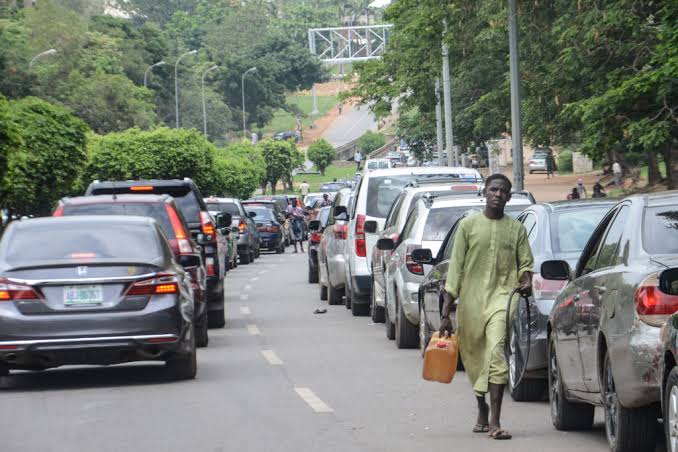
Fuel scarcity can be a challenging time for individuals and communities, as limited fuel supplies can disrupt daily life and essential activities.
During such periods, it becomes crucial to adopt smart strategies for purchasing fuel efficiently.
This article provides detailed guidance on how to navigate fuel scarcity and make informed decisions when buying fuel.
1. Stay Informed
Keep yourself updated on the current fuel situation through reliable sources such as news outlets, government announcements, and official fuel industry updates.
Stay informed about any changes in fuel availability, rationing measures, or alternative distribution channels.
Understanding the extent and duration of the fuel scarcity can help you plan your fuel purchases accordingly.
2. Plan Ahead
Anticipate your fuel needs and plan ahead to avoid last-minute rushes or panic buying.
Assess your typical fuel consumption patterns and estimate how much fuel you will need for essential activities such as commuting, running errands, and emergency situations.
Create a fuel budget and prioritize your purchases based on necessity.
3. Monitor Fuel Prices
Monitor fuel prices closely to identify trends and fluctuations in the market.
During fuel scarcity, prices may rise due to increased demand and limited supply.
Compare prices across different fuel stations and consider purchasing from stations offering competitive rates.
However, prioritize factors such as fuel quality and reliability when choosing where to buy.
4. Optimize Fuel Efficiency
Maximize fuel efficiency by maintaining your vehicle in optimal condition.
Regularly service your vehicle, inflate tires to the recommended pressure, and adhere to eco-driving techniques such as smooth acceleration and moderate speeds.
By improving fuel efficiency, you can reduce your overall fuel consumption and extend the mileage of each tank.
5. Explore Alternative Fuel Options
During fuel scarcity, consider exploring alternative fuel options such as ethanol blends, biodiesel, or compressed natural gas (CNG) if available in your area.
Research the compatibility of alternative fuels with your vehicle and assess their availability and affordability.
While alternative fuels may require initial investment or modifications, they can offer a viable solution during periods of fuel scarcity.
6. Carpool and Share Resources
Coordinate with friends, family, or neighbors to carpool and share resources, including fuel.
Pooling resources allows you to collectively reduce fuel consumption and minimize the number of vehicles on the road.
Establish carpooling arrangements for commuting, school runs, or grocery shopping to optimize fuel usage and save costs.
7. Consider Non-Essential Travel
Evaluate your travel plans and consider postponing or reducing non-essential trips during fuel scarcity.
Minimizing unnecessary travel helps conserve fuel and prioritizes resources for essential activities.
Utilize telecommuting, remote work, or online shopping options to limit the need for physical travel whenever possible.
8. Follow Rationing Guidelines
If fuel rationing measures are implemented during periods of scarcity, ensure compliance with established guidelines and regulations.
Respect allocated quotas or restrictions on fuel purchases to ensure fair distribution and prevent hoarding.
Adhering to rationing measures helps maintain order and equitable access to fuel for all individuals.
In conclusion, fuel scarcity presents challenges for individuals and communities, but by adopting proactive strategies, it is possible to navigate the situation effectively.
Staying informed, planning ahead, monitoring fuel prices, optimizing fuel efficiency, exploring alternative fuel options, carpooling, reducing non-essential travel, and following rationing guidelines are essential steps for buying fuel wisely during periods of scarcity.
By implementing these strategies, individuals can mitigate the impact of fuel shortages and ensure efficient utilization of limited fuel resources.

Five Die as Truck, Car Collide on Badagry Expressway

Two Killed as Trucks Collide, Burst Into Flames on Anambra Road

Stakeholders Raise Alarm Over Safety Gaps in Nigeria’s CNG and Electric Vehicle Transition

Female Driver Dies in Tragic Road Crash at Mongoro, Ile-Zik Area of Lagos

Physically Challenged Beggar Killed in Multi-Vehicle Crash on Lagos-Ibadan Expressway

Court Bars FRSC Officials From State Roads

24 Pupils Killed in Tragic Bus Crash During School Excursion in Uganda

Tyre Blowouts on Heavy Trucks

BYD Seal EV: Can It Challenge Traditional Sedans?

Colorado to Strengthen Driver Education Requirements

Slow Down: Man got his Family Killed by neglecting road signs

Which Bridge is the Tallest in the World?
Impatient Driving Cause Road Accident
How Roads are Constructed on the Mountain

Texas, USA suffers heavy flooding