
News Update
Lagos Launches Citywide Transport Perception Survey to Revolutionize Mobility Planning

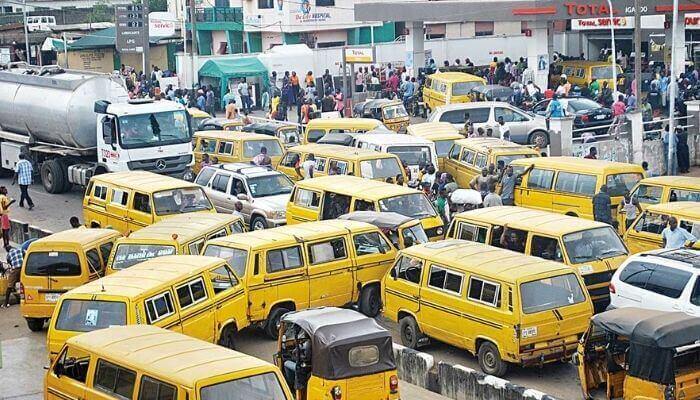
In a bold move to reshape the state’s transport future, the Lagos State Government has launched a comprehensive citywide transport perception survey, targeting public feedback across road, rail, and water transport systems.
Also Read: PENGASSAN Strike Shuts Down Dangote Refinery Operations, Risks Nationwide Fuel Scarcity
The initiative, announced by the Lagos Metropolitan Area Transport Authority (LAMATA) on Tuesday, seeks to bridge the gap between policy planning and the lived experiences of commuters.
According to LAMATA’s Managing Director, Engr. Abimbola Akinajo, the survey is part of the state’s broader mobility reform strategy aimed at understanding how residents perceive existing transport infrastructure, services, and safety. “Our goal is to make Lagos a model for efficient, inclusive, and sustainable mobility in Africa. We can only achieve this if we listen to the people who use these systems every day,” she said.
How the Survey Works
The transport perception survey will collect data from road users across all 20 Local Government Areas, focusing on:
- Commuter satisfaction levels on major routes and transport modes.
- Travel time and safety experiences across BRT corridors, ferry terminals, and railway stations.
- Accessibility issues faced by people with disabilities and low-income groups.
- Perceptions of enforcement, driver behavior, and fare fairness.
Participants can complete the survey through LAMATA’s online portal or physical questionnaires distributed at key transit points including Oshodi, Mile 2, Marina, and Ojota.
A Step Toward Smarter Transport Governance
Lagos currently accounts for over 40% of Nigeria’s vehicle traffic, with more than 6 million daily trips by road alone. The state’s growing congestion problem has made strategic transport planning a necessity. Experts say the perception survey will provide real-time insights into the impact of ongoing infrastructure projects like the Blue Line Rail, Red Line Rail, and the Lekki-Epe Expressway expansion.
According to urban mobility analyst Tunde Adeyemi, “The survey is not just about complaints, it’s data-driven governance. For too long, transport planning in Nigeria has been top-down. This initiative flips the model to bottom-up, ensuring the real challenges of drivers and passengers inform future decisions.”
Public Reaction
Many commuters welcomed the move, saying it’s long overdue. A commercial driver along Ikorodu Road, Sunday Ajayi, told RoadKing.ng, “If they want to fix transport, they should listen to us who spend all day on the road. The bad traffic, potholes, and touts are our reality. If this survey is real, it’s a good thing.”
However, others expressed skepticism about implementation. “We have filled forms like this before, but nothing changes. We need action, not data,” said Ngozi Eze, a daily commuter from Surulere to CMS.
Government’s Next Steps
LAMATA confirmed that all findings from the survey will be publicly shared in the 2025 Lagos Transport Report, expected to guide future budget allocations for road repairs, mass transit expansion, and safety enforcement. The government says the report will also influence the Lagos Mobility Master Plan, aligning with the United Nations Sustainable Development Goal 11 (Sustainable Cities and Communities).



Five Die as Truck, Car Collide on Badagry Expressway

Two Killed as Trucks Collide, Burst Into Flames on Anambra Road

Stakeholders Raise Alarm Over Safety Gaps in Nigeria’s CNG and Electric Vehicle Transition

Female Driver Dies in Tragic Road Crash at Mongoro, Ile-Zik Area of Lagos

Physically Challenged Beggar Killed in Multi-Vehicle Crash on Lagos-Ibadan Expressway

Court Bars FRSC Officials From State Roads

24 Pupils Killed in Tragic Bus Crash During School Excursion in Uganda

Tyre Blowouts on Heavy Trucks

BYD Seal EV: Can It Challenge Traditional Sedans?

Colorado to Strengthen Driver Education Requirements

Slow Down: Man got his Family Killed by neglecting road signs

Which Bridge is the Tallest in the World?
Impatient Driving Cause Road Accident
How Roads are Constructed on the Mountain

Texas, USA suffers heavy flooding