
Crash News
FG Begins Nationwide Highway Rehabilitation

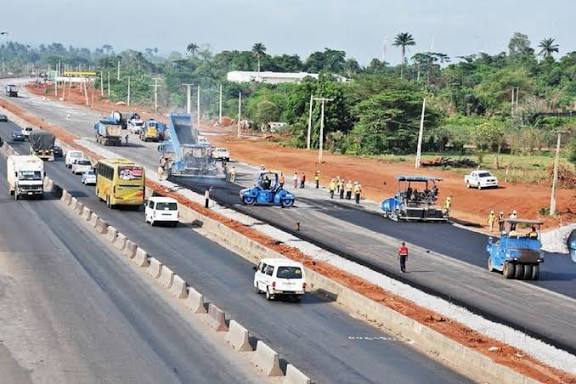
The Federal Government has announced the commencement of a nationwide highway rehabilitation and maintenance drive, aimed at addressing deteriorating road conditions, recurring potholes, and the growing number of crashes linked to poor infrastructure across Nigeria.
Also Read: FG Begins Rehabilitation of Abuja–Lokoja Highway to Improve Safety
The programme, which cuts across major federal highways in all geopolitical zones, is expected to focus on critical failure points, accident-prone corridors, and high-traffic routes that have recorded repeated breakdowns and fatal crashes.
Road safety authorities and transport stakeholders have long linked bad roads to Nigeria’s rising crash statistics, with motorists frequently reporting tyre bursts, loss of control, and vehicle damage caused by deep potholes, failed sections, and eroded shoulders.
Across highways such as the Lagos–Ibadan Expressway, Abuja–Lokoja Road, Benin–Ore Highway, East–West Road, Enugu–Onitsha Expressway, and Kano–Maiduguri corridor, road users have consistently complained of worsening road surfaces.
RoadKing.ng crash reviews indicate that many fatal incidents in recent months were either directly or indirectly influenced by:
- Sudden swerving to avoid potholes
- Loss of control on failed road sections
- Burst tyres from sharp road edges
- Poor drainage leading to flooded highways
Transport analysts warn that poor road conditions not only increase crash risk but also worsen traffic congestion, fuel consumption, and vehicle maintenance costs.
According to officials, the rehabilitation drive will prioritise:
- Pothole patching and failed-section reconstruction
- Drainage clearing and flood control
- Repainting of road markings and signage
- Reinforcement of bridges and shoulders
- Night visibility improvements
The works are expected to be executed in phases to minimise traffic disruption, with contractors deployed to multiple zones simultaneously.
The Federal Road Safety Corps (FRSC) has repeatedly stressed that infrastructure remains a core pillar of crash prevention.
Officials say smoother roads, visible signage, and functional shoulders significantly reduce driver error, emergency response time, and collision severity.
However, safety experts caution that road repairs alone will not end highway carnage.
They insist that driver behaviour, enforcement, and vehicle maintenance must also improve for crash figures to decline sustainably.
Motorists and transport operators have welcomed the announcement but urged the government to ensure:
- Quality execution, not temporary patchwork
- Timely completion
- Transparency in contractor performance
- Proper traffic management around work zones
Some commuters expressed concern over potential construction-related gridlock, calling for clear diversion plans and advance public notice.
Conclusion
With Nigerian highways carrying the bulk of national transportation and commerce, stakeholders say sustained rehabilitation is no longer optional but urgent.
If effectively implemented, the nationwide repair drive could play a major role in reducing crashes, improving mobility, and saving lives.









Five Die as Truck, Car Collide on Badagry Expressway

Two Killed as Trucks Collide, Burst Into Flames on Anambra Road

Stakeholders Raise Alarm Over Safety Gaps in Nigeria’s CNG and Electric Vehicle Transition

Female Driver Dies in Tragic Road Crash at Mongoro, Ile-Zik Area of Lagos

Physically Challenged Beggar Killed in Multi-Vehicle Crash on Lagos-Ibadan Expressway

Court Bars FRSC Officials From State Roads

24 Pupils Killed in Tragic Bus Crash During School Excursion in Uganda

Tyre Blowouts on Heavy Trucks

BYD Seal EV: Can It Challenge Traditional Sedans?

Colorado to Strengthen Driver Education Requirements

Slow Down: Man got his Family Killed by neglecting road signs

Which Bridge is the Tallest in the World?
Impatient Driving Cause Road Accident
How Roads are Constructed on the Mountain

Texas, USA suffers heavy flooding