
Crash News
Heavy-Duty Truck Crashes Raises Safety Concerns

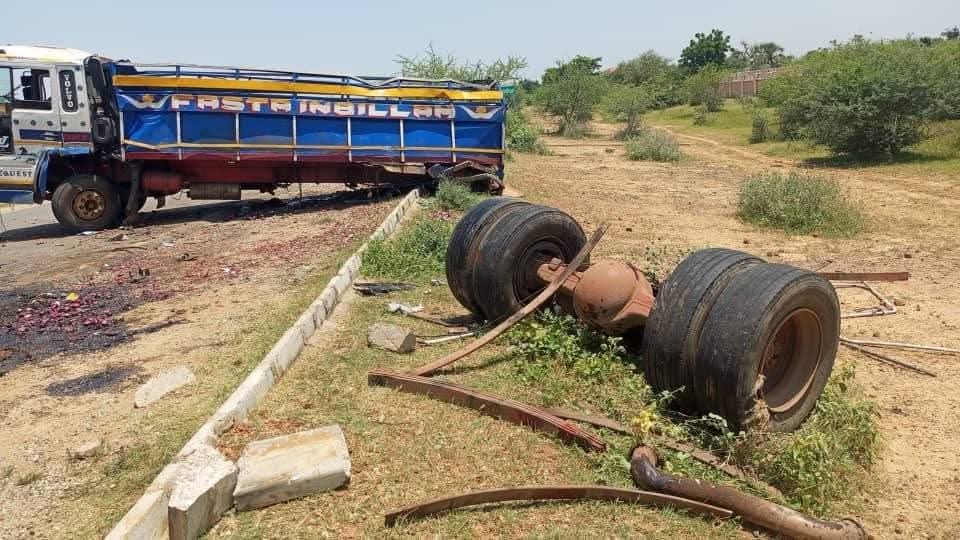
Nigeria’s major highways are witnessing a worrying increase in crashes involving heavy-duty trucks and articulated vehicles, prompting renewed concern from road safety officials and transport experts over the condition of freight transport and driver compliance nationwide.
Also Read: Sydney Truck Inferno Paralyzes M7 Motorway, Sparks Global Road Safety Concerns
From the Lagos–Ibadan Expressway to the Abuja–Lokoja Road, Benin–Ore Highway, and the East–West corridor, RoadKing.ng investigations show that collisions involving fuel tankers, container trucks, and long-haul trailers have become more frequent, often resulting in multiple casualties, prolonged traffic gridlock, and extensive economic losses.
Heavy-duty trucks, due to their size and weight, pose significantly higher risks when involved in crashes. Safety analysts note that when such vehicles lose control, the consequences are often catastrophic.
Common outcomes include:
- Multi-vehicle pileups
- Vehicles crushed beyond recognition
- Fuel spillage and fire outbreaks
- Hours or days of highway closure
In several recent incidents monitored by RoadKing.ng, tanker crashes led to massive congestion and emergency evacuations.
Key Causes Identified
Traffic authorities and transport unions have linked the surge to a combination of mechanical, human, and infrastructural issues, including:
- Brake failure and poor vehicle maintenance
- Driver fatigue due to long-haul schedules
- Overloading and improper cargo securing
- Speeding and reckless overtaking
- Bad road sections and weak shoulders
Officials also raised concerns about the increasing use of aging trucks that no longer meet safety standards.
Beyond the immediate loss of lives, truck crashes have ripple effects across the economy. Blocked highways disrupt:
- Food supply chains
- Fuel distribution
- Industrial logistics
- Emergency medical movement
Communities located along major corridors often face recurring danger from overturned trailers and fuel tankers.
The Federal Road Safety Corps (FRSC) says it has intensified monitoring of commercial transport operators, focusing on:
- Vehicle roadworthiness checks
- Enforcement of speed limiters
- Driver licensing and training compliance
- Night patrols on truck-dominated routes
Safety advocates, however, are urging stricter regulation of freight operators, mandatory rest schedules, and fleet renewal incentives.
Transport safety experts recommend:
- Compulsory mechanical inspection for heavy trucks
- Installation of fatigue-monitoring systems
- Designated truck rest parks
- Reconstruction of truck-damaged highways
- Public reporting of unsafe trucking operations
Conclusion
With road freight dominating Nigeria’s logistics system, stakeholders warn that unless truck safety is urgently addressed, highways will remain deadly zones for motorists and roadside communities.












Five Die as Truck, Car Collide on Badagry Expressway

Two Killed as Trucks Collide, Burst Into Flames on Anambra Road

Stakeholders Raise Alarm Over Safety Gaps in Nigeria’s CNG and Electric Vehicle Transition

Female Driver Dies in Tragic Road Crash at Mongoro, Ile-Zik Area of Lagos

Physically Challenged Beggar Killed in Multi-Vehicle Crash on Lagos-Ibadan Expressway

Court Bars FRSC Officials From State Roads

24 Pupils Killed in Tragic Bus Crash During School Excursion in Uganda

Tyre Blowouts on Heavy Trucks

BYD Seal EV: Can It Challenge Traditional Sedans?

Colorado to Strengthen Driver Education Requirements

Slow Down: Man got his Family Killed by neglecting road signs

Which Bridge is the Tallest in the World?
Impatient Driving Cause Road Accident
How Roads are Constructed on the Mountain

Texas, USA suffers heavy flooding