
News Update
26 Dead in Niger River Boat Capsize

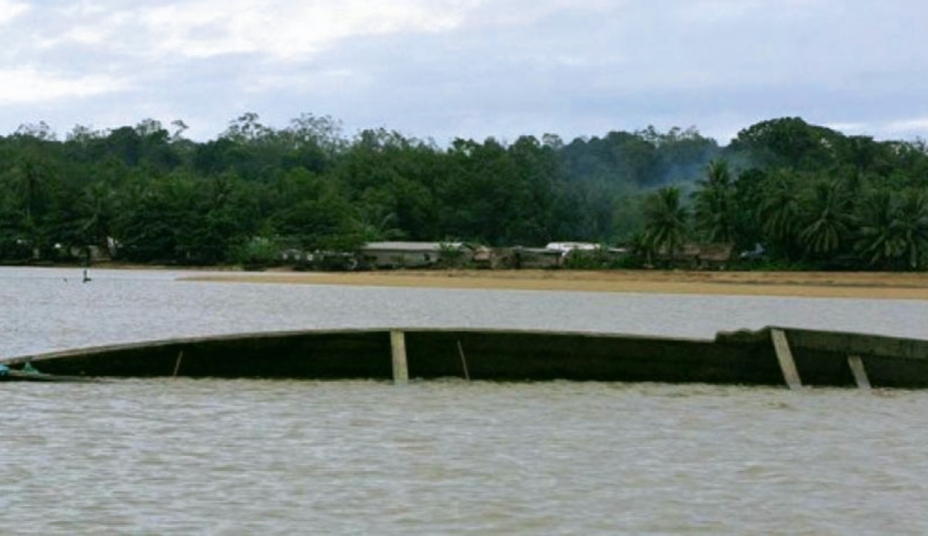
In the early hours of Tuesday, a routine river crossing turned fatal. In Ibaji, Kogi State, a passenger boat carrying traders heading to a market in Edo State capsized on the Niger River, claiming at least 26 lives.
Also Read: Boat Capsizes in Niger State Market Journey, At Least 25 Dead Amid Rescue Delays
The scene was one of utter panic, survivors scrambling, others disappearing into the murky depths, and families left waiting for answers.
Officials say the cause of the accident is still under investigation. Meanwhile, rescue teams and divers have been deployed to search for additional bodies amid rising fears that the confirmed figure may be a lower bound.
The majority of the passengers were traders, travelling across the state boundary to Edo State’s markets. Many likely carried goods, produce, or wares to sell, making the crossing an economic necessity, not choice.
In Nigeria, river transport, especially along the Niger and Benue rivers is common in regions with weak road connectivity. But the system is also dangerously underregulated.
Waterways Under Strain: Overload, Maintenance Lags, Safety Gaps
This tragedy is not an anomaly. Nigeria, particularly during the rainy season, records boat accidents caused by:
- Overloaded vessels
- Poor or nonexistent safety equipment (life jackets, guardrails)
- Weak oversight and poor vessel maintenance
- Hidden underwater hazards (submerged logs, debris)
Officials often patch responses after disaster, rather than enforcing preventive safety regulation.
Local government sources confirm that the Kogi State government is partnering with federal agencies to conduct deeper investigations and begin remediation of waterway safety.
Rivers as Transport Corridors & Risk Zones
While RoadKing.ng focuses primarily on road transport, we cannot ignore how Nigeria’s waterways intersect with highway safety and logistics:
- Shifting Load Pressures: When roads are impassable or unsafe, traders and commuters lean on waterways more, making safe boat transport even more critical.
- Logistics Chain Breaks: Goods delayed or lost upstream can impact road haulage downstream, causing economic ripple effects.
- Rescue & Alternative Routes: During river accidents, roads might be called into service for relief & diversion, especially in flood-prone regions.
Officials, community leaders, and survivors expressed grief and frustration.
Kogi’s Commissioner for Information, Kingsley Fanwo, described the loss as “heartbreaking” and pledged full collaboration with federal authorities to prevent another such tragedy.
Local community members lamented what many see as a preventable loss noting that boats routinely carry more passengers and cargo than their capacity, without necessary safety enforcement.
RoadKing Analysis: Water Transport Safety Needs a Reckoning
This is not just a river tragedy, it is a stark reminder that Nigeria’s transport safety challenges extend beyond highways. The water transport system remains an often-neglected dimension of the national infrastructure puzzle.
To prevent recurrences, the following must be prioritized:
- Inspection & certification of vessels before any crossing
- Mandatory safety equipment (life vests, lighting, guard rails)
- Strict load limits & enforcement
- Training & licensing for boat operators
- Unified oversight structure to monitor inland water transport





Nasarawa Begins 2.6km Twin Flyover to End Mararaba Gridlock

Court of Appeal Bans VIO From Stopping or Impounding Vehicles Nationwide

FRSC Orders Construction Firms to Install Proper Road Signs Nationwide to Curb Rising Highway Deaths

Six Die, Five Injured in Fatal Collision at Nawfia, Anambra

Mali’s Fuel Shortage Eases as Over 300 Tankers Reach Bamako under Alliance of Sahel States (AES) Escort

Three Dead as Tanker Explosion Rocks Kano

5 Reliable Cars You Can Still Buy With ₦3–5 Million In Nigeria

Three Dead in Horror N4 Crash Near Middelburg Dam After Bakkies Collide
How FRSC Targeted Patrols & Special Operations Are Reducing Road Crashes in Nigeria

Over 500 Foreigners Intercepted on Adamawa Highway, Escorted Back by Security Forces
Court of Appeal Bans VIO From Stopping or Impounding Vehicles Nationwide
Nasarawa Begins 2.6km Twin Flyover to End Mararaba Gridlock

Slow Down: Man got his Family Killed by neglecting road signs

Which Bridge is the Tallest in the World?
Impatient Driving Cause Road Accident
How Roads are Constructed on the Mountain

Texas, USA suffers heavy flooding