
Crash News
FRSC Corps Marshal Calls for Firearms: Will Guns Make Nigeria’s Highways Safer?

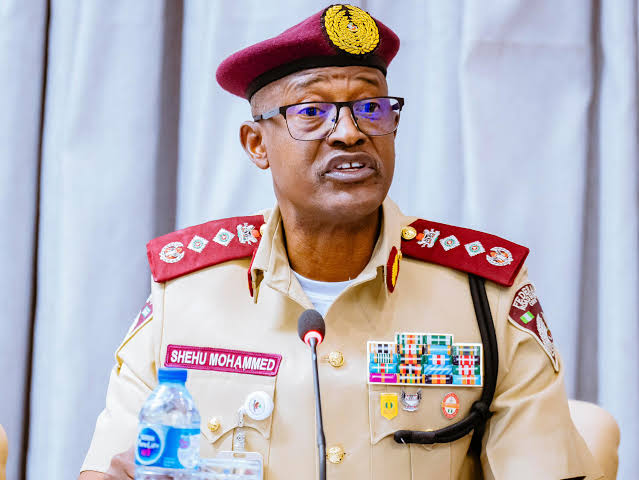
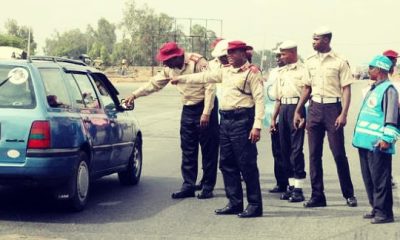
The debate over how best to enforce road safety laws in Nigeria took a dramatic turn when Corps Marshal Shehu Mohammed, head of the Federal Road Safety Corps (FRSC), declared that arming personnel may be the only way to effectively enforce traffic regulations on Nigerian highways.
Also Read: Fight Against Auto Theft: FRSC Recovers 35 Stolen Vehicles in Six Months
For decades, FRSC officials have relied on education, fines, and limited enforcement powers to maintain order on Nigeria’s notoriously dangerous roads. But with rising levels of non-compliance, violent resistance, and road crime, the Corps Marshal insists it may be time for a more militarized approach, one that arms his men for their own protection and to compel obedience from unruly motorists.
The statement has ignited a nationwide debate: Should traffic safety officers carry firearms? Would it improve enforcement or create more problems than it solves?
The Context: Nigeria’s Dangerous Highways
Nigeria’s highways are among the most chaotic and deadly in Africa. According to FRSC data:
- Over 40,000 road crashes are recorded annually.
- Human error accounts for more than 90% of accidents, including reckless driving, speeding, and drunk driving.
- Enforcement officers frequently encounter hostility, threats, and outright violence from drivers resisting arrest or fines.
In many parts of the country, traffic regulation isn’t just about preventing accidents, it’s about maintaining basic law and order on roads plagued by commercial transport chaos, aggressive motorists, and rising insecurity.
Why the FRSC Wants Firearms
Corps Marshal Mohammed’s position is based on three major concerns:
- Officer Safety
- FRSC personnel are often deployed along highways notorious for armed robbery, kidnapping, and bandit attacks.
- Many officers have been assaulted, injured, or even killed by violent motorists and criminals.
- Enforcement Authority
- Without arms, many drivers simply ignore officers, speeding off or physically resisting arrest.
- Arming personnel could act as a deterrent, forcing compliance with road regulations.
- Deterring Road Crimes
- The highways are increasingly a target for organized crime.
- An armed FRSC could support broader national security efforts on the roads.
In short, the Corps Marshal argues: “You cannot ask unarmed men to enforce laws in a violent environment.”
The Legal and Constitutional Debate
Currently, FRSC personnel are not authorized to carry firearms under Nigerian law. Their mandate is to:
- Enforce traffic regulations.
- Educate road users.
- Rescue accident victims.
- Collaborate with other law enforcement agencies.
For FRSC to bear arms, the National Assembly would need to amend existing laws and formally empower the Corps.
Critics warn this would blur the lines between traffic regulators and paramilitary forces, raising constitutional and ethical concerns.
Supporters: Why Arming FRSC Makes Sense
Advocates for arming FRSC personnel argue:
- Safety First: Officers have a right to defend themselves, especially on highways plagued by violent criminals.
- Deterrence: Armed presence would discourage reckless drivers and commercial transport operators from flouting laws.
- Parity with Global Norms: In many countries, traffic enforcement officers are part of the police and carry arms.
Some security analysts note that Nigeria’s road culture is unusually defiant, and only stronger enforcement can bring order.
Opponents: The Dangers of Guns on the Highways
On the other side, critics raise serious concerns:
- Risk of Abuse: Giving firearms to underpaid, overstressed FRSC personnel could lead to extortion, harassment, and misuse.
- Escalation of Violence: Instead of calming roads, firearms might trigger more violent confrontations between motorists and officers.
- Training Gaps: Without extensive firearms and conflict de-escalation training, arming FRSC could create more risks than it solves.
- Public Distrust: Nigerians already view many agencies as corrupt. Adding guns could deepen resentment rather than build respect.
Human rights groups argue that the solution lies in better training, technology, and judicial support—not militarization.
Global Comparisons: Do Other Countries Arm Traffic Officers?
- United States: Traffic enforcement is carried out by police officers, who are armed.
- United Kingdom: Traffic officers generally do not carry firearms, relying instead on cooperation with armed police when needed.
- South Africa: Many traffic officers are armed, given the high risk of violence on the roads.
- Kenya & Ghana: Traffic regulators often work alongside armed police but are not usually armed themselves.
The lesson? There is no single global standard, nations adapt based on local realities.
Alternatives to Arming FRSC
Critics suggest other measures that could strengthen FRSC without resorting to firearms:
- Stronger Collaboration with Police
- Deploy armed police units alongside FRSC patrols in high-risk zones.
- Technology-Based Enforcement
- Expand use of speed cameras, ANPR (automatic number plate recognition), and drones to reduce physical confrontations.
- Judicial Backing
- Ensure traffic offenders face swift prosecution, making resistance futile.
- Public Education
- Shift focus to changing driver behavior through awareness campaigns and stricter licensing.
- Protective Equipment
- Provide body armor, non-lethal weapons (tasers, batons), and secure patrol vehicles for officer safety.
The Public’s Voice
Public reactions to the Corps Marshal’s statement have been mixed:
- Commercial Drivers: Strongly opposed, fearing more harassment and bribe-seeking.
- Private Motorists: Divided—some welcome stronger enforcement, others fear abuse.
- Civil Society: Warns that arming FRSC could worsen human rights violations.
- Victims’ Families: Some support the move, believing stricter enforcement will save lives.
The debate reflects the deep distrust between Nigerians and law enforcement agencies.
What’s Next?
The Corps Marshal’s statement is likely to spark parliamentary debate in Nigeria. Any attempt to arm the FRSC would require:
- Legal amendments.
- Approval from the Presidency.
- Extensive retraining of personnel.
- Oversight mechanisms to prevent abuse.
Whether the idea gains traction or not, the conversation has already highlighted Nigeria’s road safety crisis—and the urgent need for stronger, smarter enforcement.
Roadking Analysis: A Crossroads for Nigerian Road Safety
The FRSC is caught in a paradox: expected to enforce laws on some of the world’s most chaotic highways, but denied the tools to defend themselves in dangerous situations. The Corps Marshal’s call to arms may be controversial, but it reflects a real frustration with the limits of current enforcement.
Still, arming FRSC officers should not be treated as a quick fix. Without systemic reforms, it risks creating more problems than it solves. Nigeria must decide:
- Will it pursue militarization of road safety?
- Or will it invest in technology, education, and judicial support as a long-term solution?
The answer will shape not just traffic enforcement, but the broader relationship between citizens and the state on Nigeria’s roads.
Conclusion: Guns, Safety, and the Future of the FRSC
The Corps Marshal’s declaration “My men need to bear arms” is more than a policy suggestion. It’s a statement about Nigeria’s roads, its drivers, and its struggles with law enforcement.
Whether or not FRSC officers ever carry firearms, one fact remains clear: Nigerian highways are dangerous, enforcement is weak, and lives are being lost every day.
The real challenge is finding a balance, protecting officers while ensuring that traffic enforcement serves the public good, not fear.
The question Nigeria must answer: Do guns belong in the hands of road safety officers or should the nation seek a smarter path to order on its roads?






Five Die as Truck, Car Collide on Badagry Expressway

Two Killed as Trucks Collide, Burst Into Flames on Anambra Road

Stakeholders Raise Alarm Over Safety Gaps in Nigeria’s CNG and Electric Vehicle Transition

Female Driver Dies in Tragic Road Crash at Mongoro, Ile-Zik Area of Lagos

Physically Challenged Beggar Killed in Multi-Vehicle Crash on Lagos-Ibadan Expressway

Court Bars FRSC Officials From State Roads

24 Pupils Killed in Tragic Bus Crash During School Excursion in Uganda

Tyre Blowouts on Heavy Trucks

BYD Seal EV: Can It Challenge Traditional Sedans?


